



The Great Indian Heat Escape
This isn't your typical summer heat. Recent years have seen an unprecedented rise in temperatures across North, West, and Central India, with heatwaves becoming longer, more frequent, and more intense. The India Meteorological Department (IMD) has been
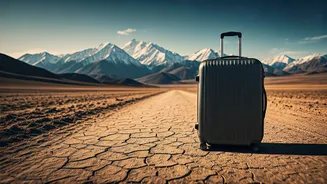
working overtime, issuing daily warnings that have become a fixture of urban life. The constant exposure to extreme heat, with temperatures consistently crossing 45°C in many cities, has moved beyond mere discomfort. It's a public health concern and a significant drain on daily productivity and well-being. For millions, the fantasy is no longer about an exotic foreign trip but a much simpler desire: to find a place where they can breathe cool air and walk outside without feeling like they're in an oven. This collective urge to flee the heat is now visibly reshaping the domestic tourism landscape.
Data Reveals a Clear Shift
This isn't just an anecdotal feeling; the numbers back it up. Travel portals and agencies across India have reported a dramatic surge in queries and bookings for cooler destinations. Platforms like MakeMyTrip, ixigo, and Thomas Cook have noted a significant uptick—anywhere from 25% to 40%—in searches for hill stations compared to previous years. The trend is clear: as soon as summer vacation begins and the heat peaks, there is a mass digital migration towards searching for destinations in Himachal Pradesh, Uttarakhand, and Kashmir. This travel pattern, once a predictable but steady part of the summer season, has now become a desperate, front-loaded rush. Industry experts are no longer calling it 'revenge travel' in the post-pandemic sense, but 'escape-the-heat travel'—a new, climate-driven category of tourism.
The New 'Hotspots' Are Cold
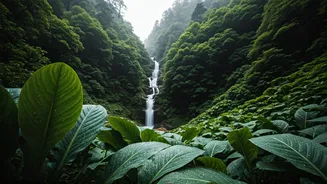
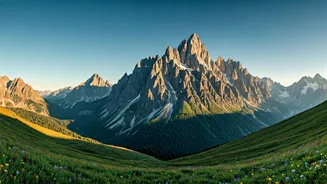
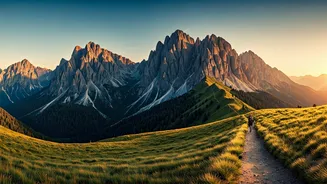
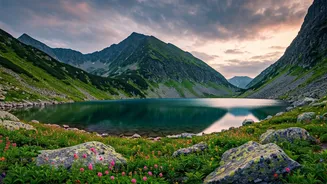
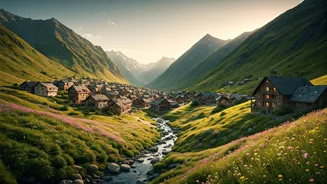
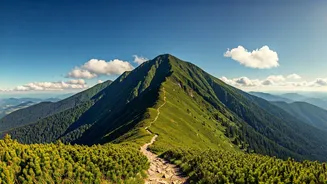
So, where is everyone going? The traditional favourites are seeing unprecedented demand. Destinations like Shimla, Manali, Mussoorie, and Nainital are predictably packed. However, travellers are also looking further afield to escape the crowds, pushing into less-explored areas of Himachal and Uttarakhand. Kashmir, with its pleasant summer climate, has also emerged as a prime destination, with bookings for Srinagar, Gulmarg, and Pahalgam soaring. The trend also extends to the mountains of the Northeast, with parts of Sikkim and Arunachal Pradesh gaining popularity. For those with bigger budgets and more time, the escape is international. Travel agents report a spike in interest for short-haul trips to cooler parts of Southeast Asia or long-haul vacations to European countries, where a pleasant summer day is a welcome relief from the searing heat back home.
Longer Stays and 'Workations'
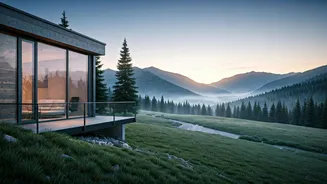
Another interesting facet of this trend is the changing nature of the trips themselves. These are not just quick weekend getaways. With many companies continuing to offer remote or hybrid work options, a new pattern of 'workation' has firmly taken root. Families and individuals are booking longer stays, sometimes for several weeks, combining work with leisure in the mountains. Homestays, guesthouses, and serviced apartments with reliable Wi-Fi are in high demand. This allows people to escape the worst of the heat in their home cities without having to take extensive leave from work. It represents a deeper behavioural adaptation—people are not just taking a break from the heat; they are actively relocating their lives for a month or two to cope with it.
A Challenge for Host Destinations
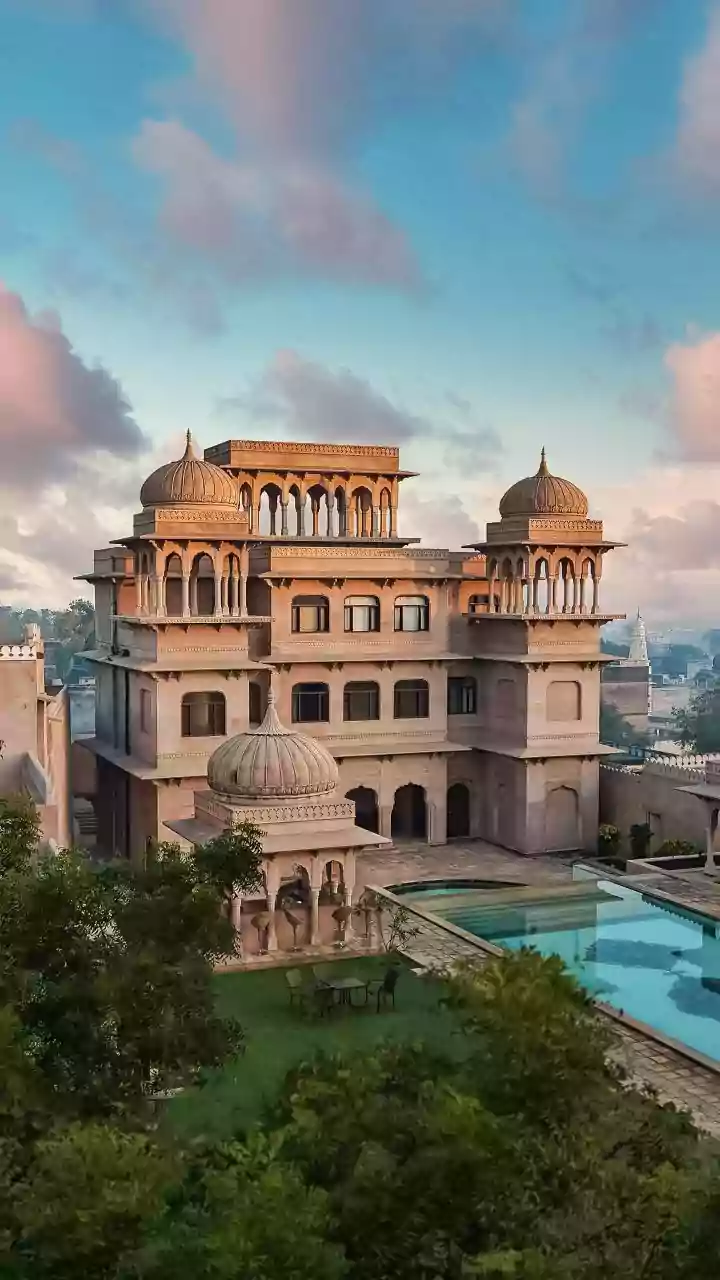
While the boom is a blessing for the economies of these hill towns, it comes with significant challenges. The sudden, massive influx of tourists puts immense pressure on local infrastructure. Roads become congested, water resources are strained, and waste management systems are pushed to their limits. The very tranquility that travellers seek is threatened by overcrowding. This raises important questions about sustainable tourism and the carrying capacity of these ecologically sensitive regions. For the travel industry, this climate-driven shift means a fundamental recalibration of the tourism calendar. The summer season in the hills is now the absolute peak, while traditional tourist circuits in the plains, like Rajasthan's forts and palaces, may need to rethink their strategies for the intensely hot months of May and June.