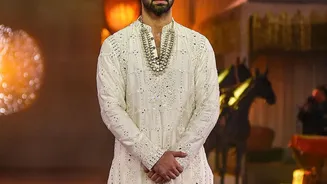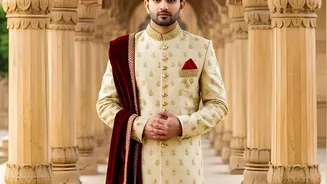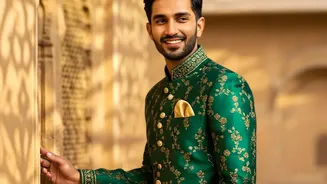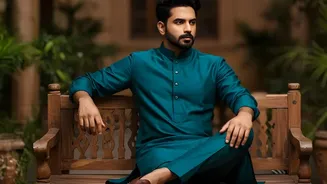



Mistake 1: Getting the Shoulder Fit Wrong
The single most important rule in fitting a kurta, much like a tailored jacket, starts at the shoulders. A common error is choosing a size where the shoulder seams droop down the arm, creating a sloppy, oversized appearance. Conversely, if the seam pulls
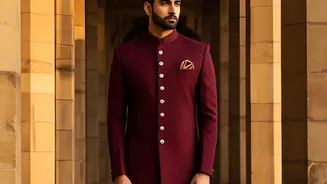
and sits too high on the shoulder, the entire garment will feel restrictive and look too small. The correct fit is precise: the shoulder seam of the kurta should sit exactly on your shoulder bone. This creates a clean, structured line that serves as the foundation for the rest of the outfit. Unlike other aspects of the fit, a bad shoulder is nearly impossible for a tailor to fix, so prioritize this when shopping.
Mistake 2: The Billowing or Clinging Torso
After the shoulders, the fit across the chest and torso is paramount. Many men either opt for a kurta that is excessively loose, thinking it provides comfort, or one that is too tight, hoping for a slimming effect. Both are mistakes. A kurta that balloons around the midsection looks unkempt, while one that clings to the chest or stomach restricts movement and can cause unsightly pulling at the buttons. The ideal fit should skim your body, not hug it. A good rule of thumb is to have about 2 to 4 inches of 'ease' or extra fabric around the chest, allowing you to move and breathe comfortably without sacrificing the silhouette. The fabric should fall straight from the chest without clinging to the stomach, especially when you sit down.
Mistake 3: Incorrect Sleeve Length
Sleeve length is a detail that significantly impacts the overall polish of your look. Sleeves that are too long bunch up at the wrist, looking messy and ill-proportioned. Sleeves that are too short can make the kurta appear as if it has shrunk or was bought in the wrong size. The proper sleeve length is straightforward: the cuff should end exactly at your wrist bone. This allows for a clean break and, if you're wearing a watch or bracelet, lets it peek out without being completely obscured. When you bend your arm, the sleeve should not ride up excessively. It’s a simple detail, but getting it right contributes to a sharp, intentionally styled appearance.
Mistake 4: Misjudging the Kurta Length
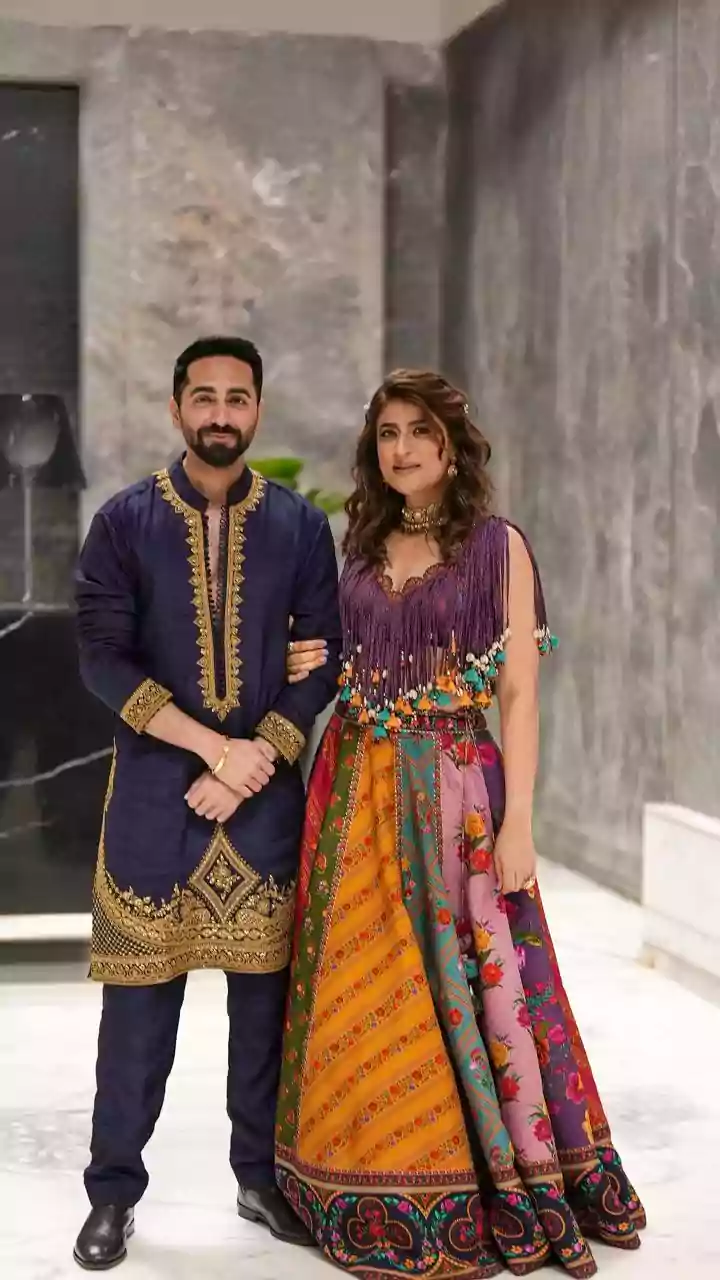
Kurta length is not a one-size-fits-all rule; it depends on your height, the occasion, and the style of the bottom wear. However, a frequent mistake for weddings is choosing a kurta that is too short, which can look overly casual, or one that is excessively long, which can overwhelm your frame, especially if you are not tall. For a wedding, a long kurta that falls below the knee is often considered regal and appropriate for grand celebrations. A classic, versatile choice for most men and events is a knee-length kurta, which can fall just at or slightly above the kneecap. Shorter men often benefit from a length that hits just above the knee to create an illusion of height, while taller men can easily carry off longer styles.
Mistake 5: Overlooking the Pajama Fit
The kurta is only half the equation. An ill-fitting pajama can ruin the entire ensemble. A common pitfall is wearing bottoms that are too baggy or have excessive fabric pooling at the ankles. Whether you opt for a classic straight pajama or a tapered churidar, the fit should be clean. A straight pajama should fall neatly, with a slight break over your footwear. A churidar should be long enough to create its signature gathers ('churi') at the ankle, but not so long that it becomes a tangled mess. The waist should be comfortable without being restrictive, allowing you to sit and move with ease throughout the long hours of a wedding celebration.
Mistake 6: Forgetting Fabric and Occasion
Finally, even a perfectly fitted kurta can look wrong if the fabric is inappropriate for the event. Choosing a heavy, ornate silk or brocade kurta for a casual daytime Mehendi might feel overwrought, while a simple cotton kurta could look underdressed at a formal evening reception. For summer or daytime weddings, breathable fabrics like linen, cotton-silk blends, and chanderi are excellent choices. For evening events or winter weddings, richer fabrics like raw silk, jacquard, or velvet accents create a more formal and luxurious feel. The weight and drape of the fabric directly influence how the kurta fits and falls, so consider both comfort and context when making your selection.