





A Cultural Lifeline Across Oceans
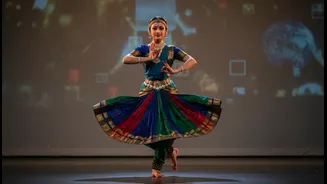
For millions in the Indian diaspora, classical dance forms like Bharatanatyam, Kathak, and Odissi are more than just art; they are a living bridge to their heritage. In many households abroad, encouraging younger generations to learn these dances is a conscious
effort to preserve language, values, and identity. Dance schools and cultural organisations have become vital community hubs, creating spaces where heritage is actively practiced and passed down. This engagement often strengthens the connection to tradition, with many performers reporting that practicing their art abroad makes them appreciate their cultural roots more deeply. It serves as an embodied transmission of culture, helping individuals, especially youth, navigate the complexities of dual identities and establish a strong sense of belonging.
The Challenge of Decontextualization
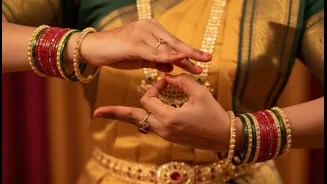
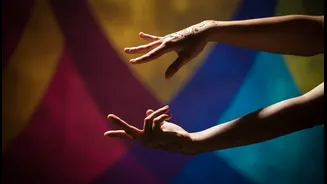
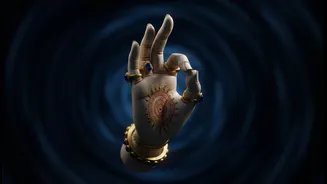
The core of the issue lies in the phrase 'heritage without context'. Indian classical dances are not merely collections of movements; they are steeped in mythology, spirituality, and centuries of social and historical narratives. Rooted in ancient texts like the Natya Shastra, these forms were traditionally intertwined with temple rituals and devotional storytelling. When performed for global audiences who may be unfamiliar with these underpinnings, there is a significant risk of dilution. The intricate hand gestures (mudras), expressions (abhinaya), and narratives can lose their profound meaning, reducing the art to its aesthetic or rhythmic elements alone. This raises complex questions about authenticity and representation that artists and educators constantly grapple with today.
Innovation: Dilution or Dynamic Survival?
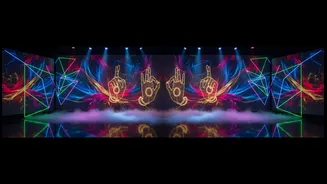
To stay relevant and connect with diverse audiences, adaptation is often necessary. Many artists are experimenting with new formats, from performing to contemporary music to fusing classical techniques with Western dance forms like ballet. This has led to innovative, hybrid productions that can captivate audiences unfamiliar with traditional repertoires. For example, some choreographers adapt well-known Western stories or universal themes into the classical Indian dance vocabulary to make it more accessible. This sparks a crucial debate: does such innovation dilute the purity of the art form, or is it a necessary evolution for its global survival? The consensus seems to be that it's a delicate balance. The goal is to innovate without losing the foundational discipline and emotive power that makes the dance unique.
Forging New Contexts for a Global Art
Rather than simply losing context, the diaspora is actively creating new ones. The global spread of classical dance has led to the establishment of thousands of dance schools, vibrant cultural festivals, and digital communities that form a new ecosystem of learning and appreciation. These new spaces, while different from the temples and royal courts of ancient India, provide their own form of context—one that is multicultural and diasporic. Teachers and gurus abroad often serve as cultural ambassadors, teaching not just the dance but also its historical and spiritual significance. Through collaborations, workshops, and performances in multicultural settings, artists are fostering a new, global understanding and creating fresh pathways for the art form, ensuring it doesn't just survive but evolves.