


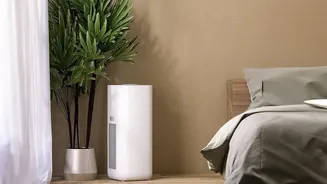
From Buying Green to Being Green
For years, sustainable decor was defined by what you bought: reclaimed wood tables, organic cotton throws, and bamboo everything. While conscious consumerism is still important, the latest evolution of this trend is less about acquisition and more about preservation.
The focus is shifting from a product-first approach to a practice-first one, where the sustainability of your home is measured by how well you maintain it. This mindset aligns with the move toward “slow decorating,” which champions longevity over fleeting trends. Instead of constantly replacing items, the goal is to create a serene, functional space with pieces that last, reducing waste and fostering a deeper connection to your environment. It’s a move towards interiors that feel collected, not just decorated, and prioritize wellness and air quality as much as visual style.
The Hidden Problem with Household Dust
A key part of this new focus is a diligent approach to dust. Often dismissed as a simple cleaning chore, dust management is now being framed as a crucial aspect of both health and home preservation. Dust isn't just inert dirt; it's a mix of skin cells, fabric fibres, pollen, and pollutants. In humid conditions, these particles absorb moisture from the air, becoming heavier and sticking to surfaces more readily. This makes cleaning more difficult and can contribute to a persistently stuffy feeling in a room. High humidity also helps dust mites, a common allergen, to thrive. By creating an environment with less dust, you improve indoor air quality, which is especially beneficial for those with allergies or respiratory issues. Furthermore, a buildup of dust can damage electronics by blocking vents and insulating components, leading to overheating and a shorter lifespan.
Why Managing Humidity Is a Sustainable Act
Alongside dust, humidity control is the other pillar of this maintenance-focused trend. The amount of water vapour in your air has a significant impact on the longevity of your home and its contents. Wood, a common material in furniture, flooring, and structural elements, is particularly vulnerable; it expands in high humidity and shrinks and cracks in low humidity. Maintaining a stable indoor humidity level—ideally between 30% and 50% as recommended by experts—prevents this damage, preserving your belongings for years. Beyond wood, excessive moisture can cause paint to peel and encourages the growth of mould and mildew, which can damage walls and fabrics while posing serious health risks. Controlling humidity is a proactive act of preservation that reduces the need for costly repairs and replacements.
Practical Steps for a Cleaner, Healthier Home
Adopting this trend doesn't require a complete overhaul. It starts with simple, intentional habits. Begin by decluttering surfaces; minimalist and clean-lined aesthetics are popular not just for their look, but because they offer fewer places for dust to settle. Opt for closed storage to keep items protected and rooms feeling calm. When cleaning, use damp cloths or microfiber dusters that trap dust rather than sending it airborne. For textiles, choose natural, breathable fabrics and consider items with removable, washable covers. An air purifier with a HEPA filter can also make a significant difference in capturing airborne particles. These small adjustments reduce the overall dust load, making your home a healthier and more pleasant place to be.
Mastering Your Home’s Microclimate
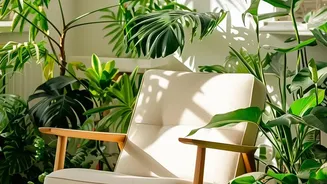
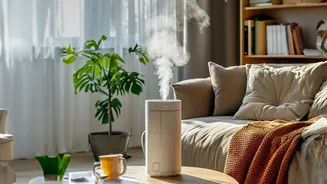
To get a handle on humidity, first understand your home's trouble spots. Kitchens, bathrooms, and laundry rooms are primary sources of moisture, so ensure you use extractor fans whenever cooking, showering, or drying clothes. A simple, inexpensive tool called a hygrometer can help you monitor humidity levels throughout your home. In damp climates or seasons, a dehumidifier is an essential tool for removing excess moisture from the air. Conversely, in dry winter months, a humidifier can prevent air from becoming too dry, protecting wood furniture from cracking. Even indoor plants can play a role; many species help regulate humidity through a process called transpiration, contributing to a more balanced indoor ecosystem in line with biophilic design principles.