






The End of the Speed Obsession
The fast-fashion model was built on a simple premise: get runway looks to stores at lightning speed for the lowest possible price. Brands like Zara and H&M perfected a system of rapid production that encouraged a culture of frequent, disposable purchases.
New collections dropped weekly, not seasonally, creating a constant churn of micro-trends that were here today and gone tomorrow. For over a decade, this strategy drove massive growth. But the relentless pursuit of speed came at a cost, often leading to compromises in fabric quality and sizing consistency, creating problems that are now coming home to roost.
The Billion-Dollar Problem of Returns
The biggest challenge to the old model is the explosion of online shopping and its consequence: returns. Online apparel return rates can be as high as 40%, far exceeding those for brick-and-mortar stores. Each returned item triggers a cascade of costs, including shipping, inspection, and restocking, which can erode profit margins significantly. A major driver of these returns is poor fit and quality. When sizing is unpredictable and materials feel cheap, customers are more likely to send items back. This has turned returns from a simple cost of doing business into a critical threat to profitability, forcing brands to rethink their entire approach.
A New Focus on Quality and Fit
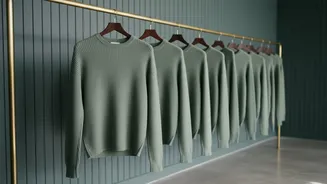
In response, many high-street giants are strategically shifting their focus. Instead of competing with newer, ultra-fast fashion players on price alone, they are moving upmarket by investing in better materials, more durable construction, and more reliable sizing. Brands are realizing that creating a higher-quality garment from the outset is more profitable than processing a return on a cheap one. This means a greater emphasis on timeless designs, premium fabrics, and cuts that are designed to last. Zara, for instance, has been repositioning itself with a more high-end image, focusing on quality to differentiate from low-cost rivals. It's a calculated business decision: better clothes lead to fewer returns and more loyal customers.
The Rise of the Conscious Consumer
This strategic pivot by brands aligns perfectly with a growing shift in consumer mindset. Shoppers are becoming more discerning, frustrated by clothes that fall apart after a few washes. There's a rising demand for sustainability and longevity, with a majority of consumers indicating they would rather buy higher-quality items that last longer. This “cost-per-wear” mentality means people are looking for better value, not just a lower initial price. As customers become more aware of the environmental impact of disposable fashion, the appeal of well-made, durable clothing grows, creating a market that rewards quality over quantity.