



Rethinking Your Daily Pill
The daily multivitamin feels like a smart, simple solution to nutritional gaps. It’s a one-and-done habit for modern life. However, the science on their effectiveness for the general population is surprisingly mixed. A key issue is bioavailability—how
much of the nutrients your body can actually absorb and use. Many multivitamins contain synthetic forms of vitamins and minerals that the body may not recognize as efficiently as those from whole foods. While they can be crucial for people with specific deficiencies, for many, they represent a scattershot approach to wellness. It’s like throwing a handful of generic tools at a complex machine instead of using one, perfectly designed instrument.
Meet the Micro-Green Powerhouse
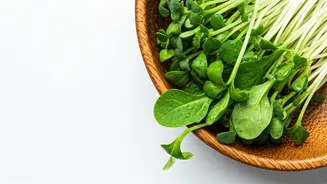
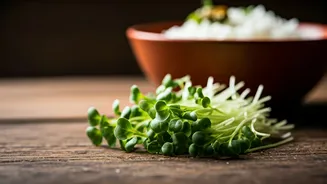
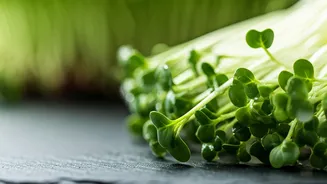
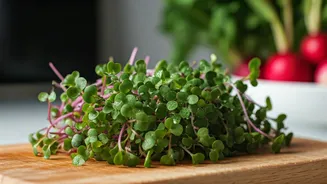
Enter the broccoli microgreen. These aren’t just tiny sprouts; they are young vegetable greens harvested just after the first true leaves have developed, typically 7–14 days after germination. At this infant stage, a plant contains a super-concentrated payload of all the nutrients it needs to grow into a full-sized vegetable. Studies have shown that microgreens can have nutrient levels up to 40 times higher than their mature counterparts. For broccoli microgreens, the star of the show is a compound called sulforaphane. They contain vastly more of its precursor, glucoraphanin, than a full head of mature broccoli, making them one of the most potent sources on the planet.
Sulforaphane: Your Cellular Cleanup Crew
So what is sulforaphane, and why should you care? Think of it as your body’s master janitor. This potent compound, activated when you chew or chop the greens, helps switch on the body's natural detoxification pathways. It functions as a powerful antioxidant and has been the subject of extensive research at institutions like Johns Hopkins for its anti-inflammatory properties and its ability to support cellular health. Unlike a static dose of Vitamin C from a pill, sulforaphane works dynamically by boosting your body’s own defense systems. You simply can't get this kind of bioactive compound in a stable, effective form from a typical multivitamin bottle.
Your 10-Day Guide to Growing Them
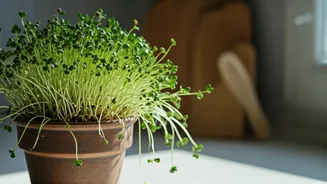
The best part? You don’t need a green thumb or a backyard. You can grow a fresh supply of broccoli microgreens on your kitchen counter. Here’s how: 1. **Get Your Supplies:** You’ll need two shallow trays (one with drainage holes, one without), some seed-starting mix or a hydroponic mat, and a packet of organic broccoli microgreen seeds. 2. **Sow the Seeds:** Moisten your soil or mat in the tray with holes. Sprinkle the seeds evenly and densely across the surface. Don’t bury them; just press them down gently. 3. **Blackout Period:** Mist the seeds with water and cover with the second tray to block out light. This tricks the seeds into thinking they're underground. Keep them covered and mist daily for 3–4 days. 4. **Let There Be Light:** Once you see yellowish shoots, uncover them and place the tray in indirect sunlight (like a windowsill). Water once a day from the bottom by adding water to the solid tray. 5. **Harvest Time:** In another 5–7 days, your greens will be about 2–3 inches tall and ready to harvest. Use scissors to snip them just above the soil line.
How to Use Your Green Gold
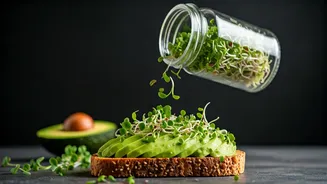
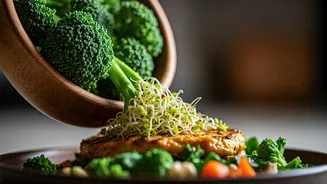
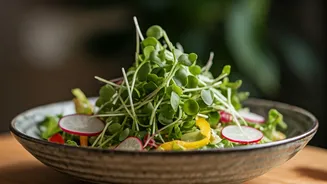
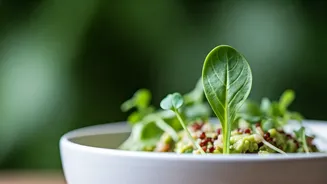
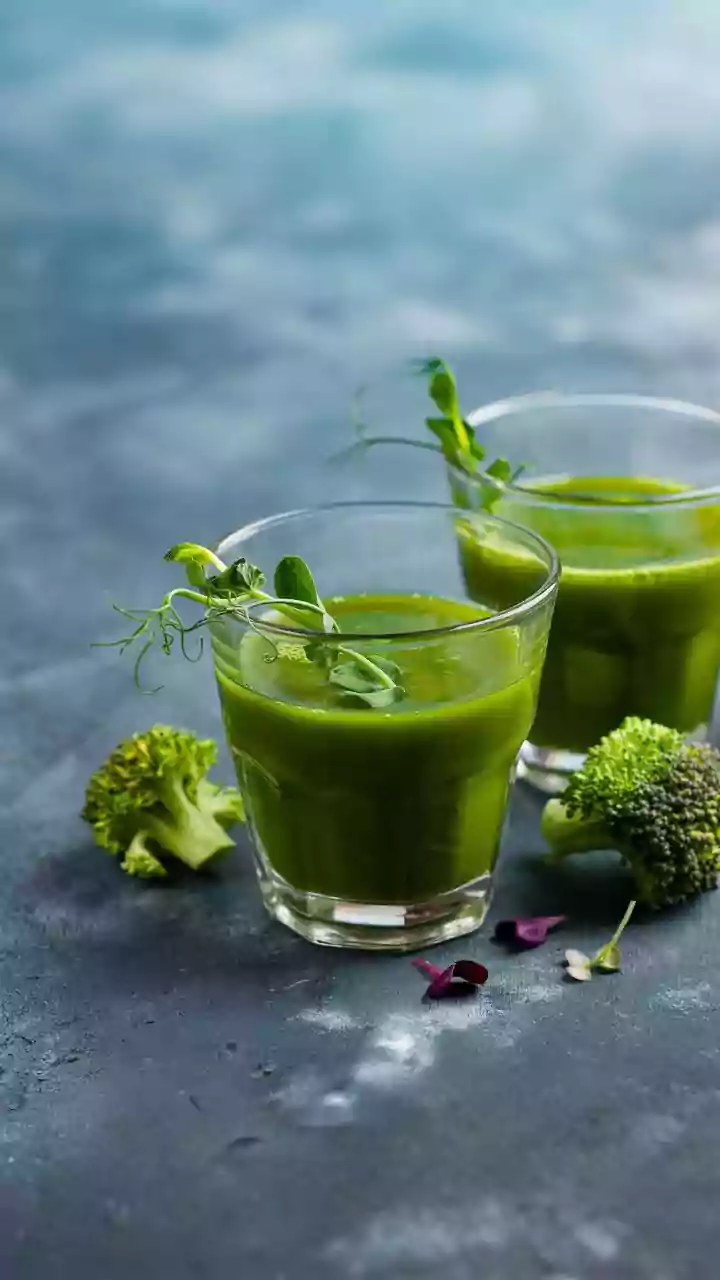
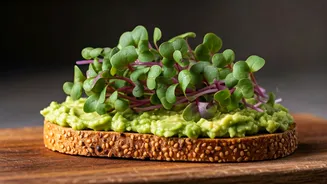
You’ve grown your own personal superfood—now what? To get the maximum benefit, it’s best to eat them raw. The heat from cooking can damage the enzyme needed to create sulforaphane. A fresh handful (about a quarter cup) is a great daily dose. They have a mild, slightly peppery flavor that’s less intense than mature broccoli. Toss them into a smoothie, sprinkle them over salads, avocado toast, or eggs, or use them as a garnish on soups and sandwiches. They add a fresh, nutritious crunch to almost any dish, making it one of the easiest health upgrades you can make.