




An Indian Startup's Interplanetary Ambition
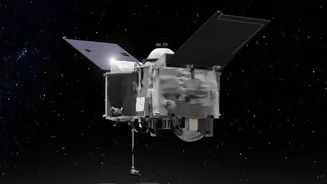
In a significant display of India's growing private-sector space capabilities, the Thiruvananthapuram-based startup HEX20 has been selected to contribute to a major international deep-space mission. The company is developing critical components for an asteroid
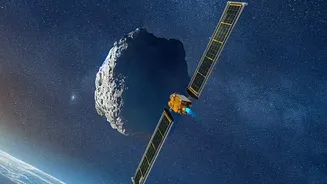
probe as part of the United Arab Emirates' ambitious Emirates Mission to the Asteroid Belt (EMA). This marks the first time an Indian private company has been chosen for a deep-space exploration mission by the Gulf nation, a testament to the advanced engineering talent emerging from India's startup ecosystem. The mission, which is scheduled to launch in March 2028, will embark on a multi-year journey to visit seven different asteroids. HEX20's involvement showcases a major shift for the country's space industry, which has historically been dominated by the Indian Space Research Organisation (ISRO).
Building the Brains and Body of a Probe
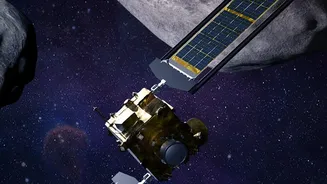
HEX20's contribution to the UAE's mission is substantial and highly technical. The startup is responsible for developing the probe's spacecraft bus, which is the main body or chassis that houses all the critical instruments and systems. Furthermore, they are creating the mission software, the onboard computer, and the power systems. These components must be designed to withstand the extreme conditions of deep space, including intense radiation and vast temperature swings, over a journey that will span billions of kilometres. The hardware developed by HEX20's teams in Thiruvananthapuram and Abu Dhabi will eventually land on the asteroid 269 Justitia in 2036, making it the farthest that hardware developed in Kerala will have travelled in space. This collaboration not only provides HEX20 with invaluable flight heritage but also positions it as a credible global supplier for complex interplanetary missions.
The Broader India-UAE Space Connection
The selection of HEX20 is part of a deepening strategic partnership in space between India and the UAE. Both nations are leveraging each other's strengths to accelerate their space ambitions. The UAE, with its successful Mars 'Hope' Probe and astronaut program, has rapidly established itself as a serious spacefaring nation. By partnering with Indian startups, the UAE gains access to a vibrant ecosystem known for agile development and cost-effective engineering. The collaboration is multifaceted, extending beyond single missions to include plans for joint infrastructure development, an India-UAE startup incubation hub, and training programs to build a pipeline of future space talent. This symbiotic relationship allows Indian companies to gain global credibility while enabling the UAE to fast-track the development of its domestic space industry.
A New Era for India's Private Space Sector
Projects like HEX20's asteroid probe and broader collaborations with nations like the UAE signal a pivotal moment for 'NewSpace' in India. Since the sector was opened to private participation in 2020, the number of space startups has grown from a handful to over 400. These companies are no longer just supporting players making components for ISRO; they are now designing and launching their own rockets, building satellite constellations, and, as HEX20 demonstrates, creating hardware for missions to other worlds. This rapid expansion is fueling the Indian government's goal to increase the country's share of the global space economy from its current 2-3% to over 8% by 2030, potentially growing the industry's value from around $9 billion to over $40 billion. The success of these private ventures is crucial for achieving that ambitious target.