



Understanding the Monsoon Craving
There’s a scientific reason we reach for hot, crispy, and often oily food when it rains. The drop in temperature and lack of sunlight can lead to a dip in serotonin, the body's 'happy hormone'. Your body instinctively craves carbohydrates and fatty foods
to get a quick energy and mood boost. The cool, damp weather also makes us desire warm, calorie-dense foods to maintain body temperature. This craving is deeply rooted in our culture, where pakoras, samosas, and chai are an inseparable part of the rainy-day ritual. The problem is that monsoon is also when our digestive system can become more sluggish, making heavy, fried foods harder to process.
Rethink the Pakora: Bake or Air-Fry
The pakora is the undisputed king of monsoon snacks, but its deep-fried nature is its biggest drawback. The solution is simple: change the cooking method. Baking or air-frying pakoras can dramatically reduce the oil content without sacrificing the crunch. An air fryer can cut oil absorption by 70-80%. For baked pakoras, simply shape your batter into small patties, place them on a baking sheet lightly brushed with oil, and bake at around 200°C until golden and crisp. You can also make them healthier by loading the besan (gram flour) batter with more chopped vegetables like spinach, carrots, and cabbage. Adding a bit of rice flour to the batter can also make them lighter and crispier.
The Samosa, But Smarter
Like pakoras, samosas can be made much healthier by baking or air-frying. A baked samosa can have 40-50% fewer calories than its fried counterpart. For an even bigger nutritional boost, swap the traditional maida (refined flour) wrapper for one made with whole wheat flour (atta) or a mix of multigrain flours like jowar and ragi. When it comes to the filling, go beyond the potato. Try a mix of sweet potato, peas, carrots, sprouts, or even paneer or tofu for a protein-rich alternative. Homemade samosas give you complete control over the ingredients, ensuring you use fresh oil and wholesome fillings.
Embrace Other Monsoon Favourites
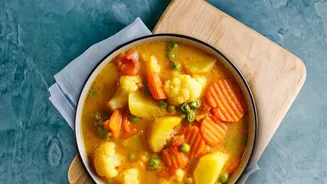
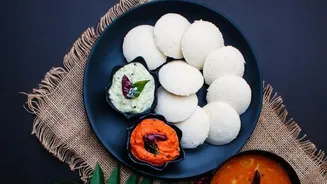
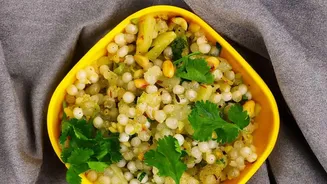
Fried snacks aren't the only stars of the season. Roasted bhutta (corn on the cob) is a classic and inherently healthy choice. Corn is a good source of fibre and antioxidants. Instead of slathering it with butter, rub it with lemon, salt, and a sprinkle of chaat masala for a flavourful, low-calorie treat. Steamed snacks are also excellent options. Gujarati favourites like dhokla, made from fermented gram flour, are light, protein-rich, and easy on the digestive system. A warm bowl of masala khichdi or a hearty vegetable soup can also provide immense comfort and nourishment on a rainy day.
Upgrade Your Cutting Chai
The perfect companion to any monsoon snack is a steaming cup of masala chai. To make your daily brew healthier, the easiest swap is to replace refined sugar with jaggery (gur). Jaggery is less processed and retains minerals like iron, magnesium, and potassium. It also aids digestion and can help boost immunity. Enhance your chai with digestive spices like ginger, cardamom, and cloves, which are traditionally used during monsoon to keep the body warm and aid digestion.