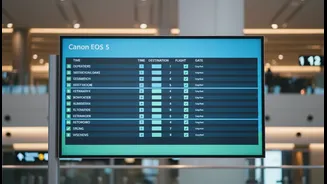









The Anatomy of Airport Stress
The chaos of Indian airports often begins long before you reach the terminal. Unpredictable city traffic, long queues at the entrance, and packed check-in halls are common hurdles. This is often the result of a surge in passenger numbers that infrastructure
struggles to keep up with, especially during holiday seasons. Add to this the multiple checkpoints—security, immigration, and boarding—and it is no surprise that many travellers feel overwhelmed before their plane even leaves the ground. This environment of constant hurry and uncertainty is the primary reason why so many associate air travel with stress.
Your Digital Co-Pilot: Embracing Technology
The single biggest change to reduce airport rush is already in your pocket. Technology like the DigiYatra app is revolutionising the Indian airport experience. By creating a biometric profile linked to your Aadhaar, you can move through dedicated gates for entry, security, and boarding with just a facial scan. This eliminates the need to repeatedly show your ID and boarding pass, significantly cutting down queue times. As of mid-2025, DigiYatra had over 15 million users across more than 20 airports, including major hubs like Delhi, Mumbai, and Bengaluru, proving its effectiveness in creating a paperless, seamless journey. Airline and airport-specific apps also provide real-time updates on flight status, gate changes, and delays, making them essential tools.
Smarter Alerts We Need Now
While flight status alerts are standard, the next frontier is granular, real-time information about the airport environment itself. Imagine receiving a notification on your phone about the current security check wait time, allowing you to plan your arrival at the gate better. Some airports are already experimenting with this. Hyderabad Airport's 'digital twin' technology uses AI to analyse passenger flow and manage queues in real-time. Similarly, Bengaluru Airport's BLR Pulse app provides interactive maps and walking times to gates. Expanding these services to include alerts for baggage claim belt numbers upon landing or real-time baggage tracking, a feature recently launched by Air India, would further reduce passenger anxiety. The future is proactive communication that goes beyond just the flight.
The Mindset Shift: From Rushing to Relaxing
Technology can only do so much; a change in personal strategy is equally crucial. The golden rule of stress-free travel is to arrive early—not just to avoid missing your flight, but to intentionally build a buffer. Arriving two hours early for domestic flights and three for international is a standard recommendation. This extra time transforms the experience. Instead of rushing, you can navigate security with ease and then relax. Consider using the extra time to access an airport lounge, which offers a quiet space, complimentary food and drinks, and comfortable seating away from the terminal's chaos. Many credit cards and premium tickets offer lounge access, making it a more accessible perk than most people realise.
Streamlining Your Physical Journey
Small changes in how you pack and dress can have a big impact on your speed through the airport. Wear comfortable, slip-on shoes and avoid excessive metal accessories to make security screening faster. Keep all your essential items—passport, phone, charging cables, and medications—in one accessible pouch in your carry-on to avoid frantic searching. Packing light and using a single carry-on bag where possible not only saves you from baggage drop queues but also eliminates the wait at the baggage carousel upon arrival. These simple habits reduce friction at every step of the journey.