



The Rise of a Classic Solution
The kitchen larder, a term once associated with historic homes, is making a major comeback in modern interiors. While traditionally a cool, small room for storing perishable goods before refrigeration, today the term is often used for standalone pantry
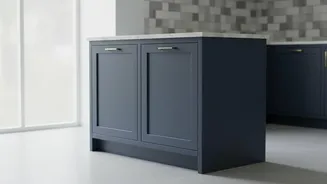
cabinets. These versatile pieces of furniture offer a powerful solution to one of today's most persistent kitchen frustrations: countertop clutter. With kitchens serving as the hub of the home, they naturally collect everything from small appliances and cooking ingredients to mail and keys. A freestanding larder provides a single, dedicated zone to absorb this overflow, instantly freeing up precious prep space and creating a calmer, more organised environment.
Why Go Freestanding?
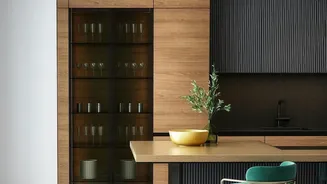
The key advantage of a freestanding larder is its flexibility. Unlike built-in cabinetry, it requires no renovation, making it a perfect choice for renters or homeowners not ready for a major overhaul. You can place it in any available space—an empty corner, against a dining room wall, or beside the fridge—and even take it with you when you move. This adaptability doesn't come at the cost of style. Available in a vast range of designs, from sleek and modern to rustic farmhouse, a larder can act as a beautiful focal point, adding character and warmth to your kitchen. It transforms storage from a purely functional necessity into a deliberate design choice.
How to Choose the Right Larder
Before you buy, start by assessing your needs and your space. First, measure the area where you plan to place the cabinet, considering not just the floor footprint but also the height. Taller cabinets maximize vertical storage without occupying more floor space, a huge plus in smaller kitchens. Next, think about what you need to store. Look for a larder with a versatile interior configuration, such as adjustable shelves, deep drawers for pots, narrow racks on the doors for spices, and even space for small appliances like a toaster or mixer. Finally, consider the material and finish. Whether you opt for natural wood, a painted finish, or a modern metal unit, choose a style that complements your existing kitchen decor to ensure it looks like an intentional, integrated piece of furniture.
Organising Your New Storage Hub
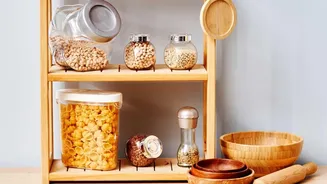
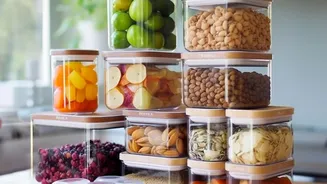
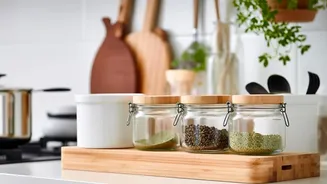
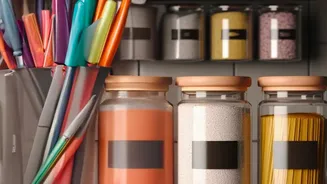
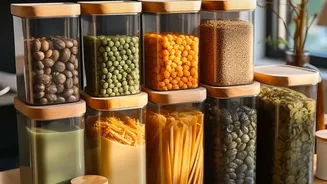
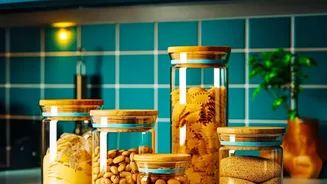
A new larder is only as good as its organisation. To avoid simply transferring clutter from your counter to a cabinet, create a system. Group like items together: create zones for breakfast foods, baking supplies, grains and pastas, canned goods, and snacks. Using clear containers for items like flour, sugar, and cereal not only looks tidy but also lets you see at a glance what you have, preventing duplicate purchases. Use pull-out trays or baskets for items stored at the back to ensure they remain accessible. By giving everything a designated home, you make it easier to find what you need and, just as importantly, to put things away, helping to maintain those clear countertops for good.
Beyond the Larder: More No-Reno Tips
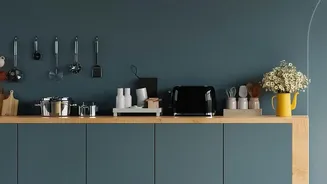
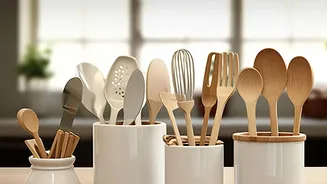
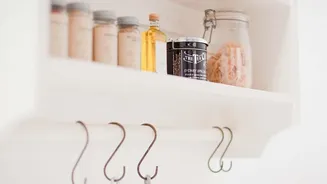
While a freestanding pantry is a fantastic centerpiece for a decluttering project, other small changes can also make a big impact. Consider adding vertical storage with tiered shelves for mugs or spices on the counter. Wall-mounted solutions, like magnetic knife strips or hanging rails for utensils, free up drawer and counter space. If you have an awkward corner, look for a small 'appliance garage' cabinet to hide away your toaster and kettle. The goal is to get as much as possible off the main horizontal surfaces, which a larder does on a large scale, but these smaller hacks can help you fine-tune your newly organised space.