






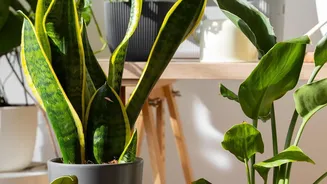

Vertical gardens transform walls into vibrant living art, but their success hinges on one crucial element: light. Understanding your light conditions is the first step to creating a lush, thriving green wall that lasts.
Why Light is Non-Negotiable
Before picking a single plant, it’s
vital to understand that light is the engine for its growth. Through a process called photosynthesis, plants convert light into the energy they need to survive. In a vertical garden, this is even more critical. Plants at the top can easily cast shadows on those below, meaning a poorly lit wall will result in patchy, unhealthy growth. A successful vertical garden isn’t just about beautiful plants; it’s about placing those plants where they will receive adequate light to flourish. Without it, even the hardiest species will become 'leggy'—stretching desperately for a light source—and eventually fail.
Assess Your Natural Light
The first step is to become an expert on the light in your own space. The direction your wall faces is the biggest clue. In India, north-facing walls receive the most consistent, bright, indirect light, making them ideal for many indoor plants. East-facing walls get gentler morning sun, while west-facing walls are hit with intense afternoon heat. South-facing walls get little direct sun. Observe the potential location for your garden at different times of day—say, 9 am, 12 pm, and 3 pm—to see how many hours of direct or indirect sun it receives. Remember that obstructions like nearby buildings or large trees can dramatically reduce the available light. This simple assessment determines your plant choices.
Plants for High-Light Walls
If your wall is drenched in sun for six or more hours a day, such as an open terrace or a west-facing outdoor wall, you need to choose sun-loving, heat-tolerant plants. The top of a vertical garden naturally gets the most sun and dries out the quickest, making it the perfect spot for hardy varieties. Succulents like Echeveria, Sedum, and Portulaca (Moss Rose) are excellent choices as they store water and thrive in heat. Many herbs, including rosemary, thyme, and basil, also perform well in these conditions. For flowering options, Vinca (Sadabahar) and trained Bougainvillea can add vibrant colour to a sunny wall.
Plants for Low-Light Walls
For shadier spots, like covered balconies or indoor walls that don't receive direct sun, your options are just as exciting. These locations are ideal for plants that naturally grow on forest floors. The undisputed king of lowlight vertical gardens is the Money Plant (Pothos), known for its trailing vines and nearindestructible nature. Similarly, Heartleaf Philodendrons offer glossy, heartshaped leaves and adapt beautifully to lower light. Ferns, such as the Boston Fern, add a soft, feathery texture and love the higher humidity often found in shadier, cooler spots at the bottom of a wall. Other great choices include the adaptable Spider Plant, Syngonium, and the elegant Peace Lily.
The Artificial Light Solution: Grow Lights
What if your desired spot has almost no natural light? This is where technology comes in. Modern LED grow lights are a gamechanger for indoor vertical gardens, offering an energyefficient way to provide fullspectrum light that mimics the sun. Unlike older bulbs, LEDs produce very little heat, allowing you to place them close to your plants without risk of scorching them. They have made it possible to cultivate everything from leafy greens to herbs and ornamental plants on virtually any indoor wall, regardless of window access.
Getting Started with Grow Lights
When setting up grow lights for a vertical garden, even coverage is key. A common mistake is to light only from the top, which leaves the lower tiers in shadow. The best practice is to mount light bars vertically along the sides of your garden or use adjustable fixtures angled at the wall. This ensures all plants receive consistent light. For most leafy greens and houseplants, a cycle of 12 to 16 hours on, followed by 8 to 12 hours off, is a great starting point. Many modern grow lights are compatible with simple plugin timers or smart plugs, allowing you to automate this cycle for effortless , consistent care.