





The Scale of India's Food Loss Problem
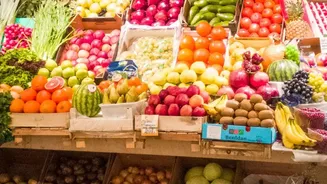
India stands as one of the world's largest agricultural producers, yet a vast portion of its harvest is lost before it can be consumed. According to various studies, post-harvest losses are a severe challenge. For perishable items like fruits and vegetables,
this loss can be as high as 30-40%. Overall, it's estimated that India loses food worth thousands of crores annually due to inefficiencies in the journey from farm to fork. Recent estimates put the annual economic value of post-harvest losses at over ₹1.5 lakh crore. This loss occurs at multiple stages: during harvesting, due to improper handling, within inadequate storage facilities, and during transportation. The problem is structural, rooted in fragmented land holdings, a lack of modern infrastructure, and dependence on multiple intermediaries.
The Economic Drain of an Inefficient System
This food loss is not just a social tragedy but a massive economic drain. When food is wasted, so are the resources used to produce it—water, land, labour, and energy. For India's farmers, particularly smallholders who make up a large portion of the agricultural workforce, these losses translate directly into lower incomes and financial distress. The issue cascades through the economy. Inefficiencies and losses in the supply chain inflate the final cost of food for consumers, contributing to food price volatility. Experts argue that the investment needed to fix storage and transport infrastructure is ironically less than the value of the food lost each year. Ultimately, this wastage represents a significant loss to India's GDP, a hole that could be plugged through smarter logistics and infrastructure.
What is a 'Zero-Waste' Supply Chain?
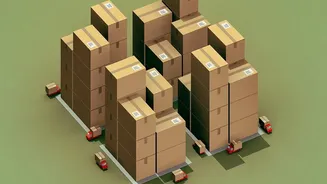
The term 'zero-waste' in this context doesn't mean eliminating waste entirely, but rather creating a highly efficient, integrated, and technology-driven system that drastically minimises losses. This involves building a robust 'cold chain'—a network of refrigerated storage and transport facilities that preserve perishable goods from the farm gate to the consumer. It also means investing in modern food processing units that can convert surplus produce into products with a longer shelf life, adding value and reducing spoilage. The theme for World Food Day 2026, 'Innovate today. Nourish tomorrow', perfectly captures this spirit, highlighting the need for innovation in how food is produced, stored, and transported. Digital technologies like IoT, AI, and blockchain are becoming crucial for real-time monitoring of produce, demand forecasting, and ensuring traceability.
The Path to Economic Revival
Fixing the supply chain is a powerful engine for economic growth. The Indian government has already launched initiatives like the Pradhan Mantri Kisan SAMPADA Yojana (PMKSY) and the Production Linked Incentive (PLI) scheme for the food processing industry, which aim to create modern infrastructure, including mega food parks and cold chain grids. A streamlined supply chain creates a ripple effect of benefits. Farmers get better prices and have more stable incomes as they can sell their produce to a wider market without fear of spoilage. The growth of food processing and logistics creates new, non-farm jobs in rural and semi-urban areas. Furthermore, with enhanced quality control and reliable supply chains, India can boost its agricultural exports, making its products more competitive on the global stage. This shift transforms agriculture from a subsistence-level activity into a modern, profitable industry.