



What is Calisthenics, Anyway?
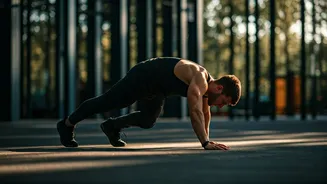
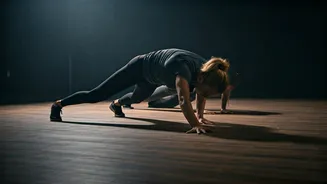
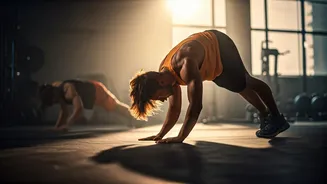
At its core, calisthenics is a form of strength training that uses your own body weight as resistance. Think push-ups, pull-ups, squats, and lunges, but taken to an entirely new level. Enthusiasts progress to advanced moves like muscle-ups (a fluid pull-up that transitions
into a dip), the human flag (holding the body horizontally from a pole), and planche holds. The appeal is elemental: it’s about mastering your own body. Unlike traditional weightlifting, which often isolates muscles, calisthenics promotes functional strength, mobility, and control. It’s a discipline that feels both primal and empowering, tapping into a desire for authentic physical prowess over simply building bulk. This back-to-basics approach resonates deeply with a generation looking for substance and skill in their fitness journey, moving away from the purely aesthetic goals often associated with conventional gyms.
From Niche to Mainstream
A huge driver of this surge is social media. Platforms like Instagram and TikTok are flooded with short, mesmerising videos of athletes executing seemingly impossible moves. Indian influencers and international stars have cultivated a powerful visual language around calisthenics. They showcase not just the final, polished move, but also the journey, the failures, and the incremental progress. This makes the discipline feel aspirational yet achievable. Hashtags like #CalisthenicsIndia and #StreetWorkoutIndia are filled with young people sharing their own progress, asking for tips, and cheering each other on. This digital ecosystem creates a virtual community that translates into the real world, encouraging newcomers to find their local park and give it a try. The visual 'wow' factor of a perfectly executed human flag is far more shareable and inspiring for many than a video of a standard gym lift.
Building More Than Muscle
Perhaps the most significant factor is the community. Traditional gyms can be isolating, anonymous spaces where everyone is plugged into their own music. Calisthenics parks, by contrast, are inherently social. There’s a collaborative spirit where more experienced members freely offer guidance to beginners. Knowledge is shared, not sold. This creates a strong sense of belonging and mutual encouragement that is often missing in commercial fitness environments. For many young people, the park becomes a 'third place'—a social hub outside of home and work or school. Friendships are forged, support systems are built, and the shared struggle of mastering a difficult skill creates a powerful bond. This supportive environment lowers the barrier to entry for those intimidated by conventional gyms, fostering a welcoming atmosphere where everyone, from absolute beginners to seasoned athletes, can thrive.
The Appeal of 'Free'
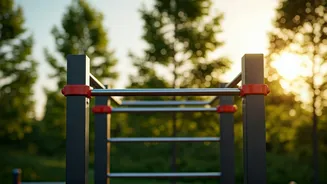
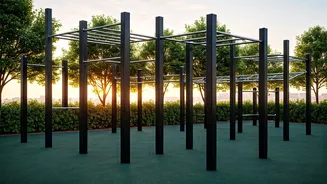
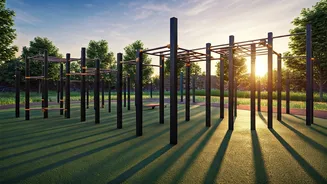
The economic appeal of calisthenics cannot be overstated. With gym memberships in cities like Mumbai and Delhi costing thousands of rupees per month, outdoor parks offer a completely free alternative. This accessibility democratises fitness, making high-quality strength training available to everyone, regardless of their income. As awareness grows, local municipal corporations are also taking note, investing in dedicated outdoor gym facilities with pull-up bars, dip stations, and parallel bars. This trend isn't just confined to metros; it’s taking root in smaller towns and cities, providing a much-needed outlet for youth fitness where commercial options are scarce or non-existent. It’s a grassroots movement that empowers individuals to take control of their health without a financial barrier, using public infrastructure to build personal strength.