







Why Sugar Hates Humidity
Before diving into the solutions, it helps to understand the problem. Granulated sugar is hygroscopic, which is a scientific way of saying it loves to attract and absorb water molecules from the air. [1] In the high humidity of the monsoon, the surface
of each sugar crystal dissolves slightly. [1] When the moisture evaporates or shifts, these dissolved crystals re-form and stick to their neighbours, creating the frustrating clumps and hardened blocks we all dread. [1] This process is accelerated every time you open the jar, letting in a fresh wave of damp air. The key to keeping sugar dry is to control its exposure to moisture.
Choose Your Container Wisely
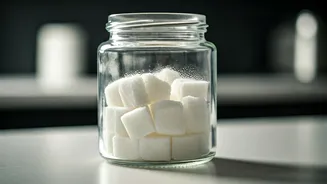
Your first line of defence is an airtight container. Plastic bags or containers with loose lids just won't cut it during the rainy season. Invest in good-quality glass jars with secure, airtight seals. [8, 13] Glass is an excellent barrier against moisture and is also non-reactive, meaning it won't impart any unwanted odours or flavours to your sugar. [3] Stainless steel canisters with airtight lids are another fantastic, durable option. [9, 13] Whatever you choose, ensure it's completely clean and dry before you fill it. For daily use, consider keeping a smaller jar on the counter and refilling it from a larger, well-sealed container stored away from humidity. [13]
The Classic Rice Grain Trick
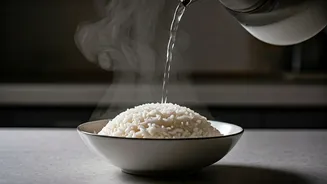
This is a timeless kitchen hack for a reason. Placing a few uncooked grains of rice at the bottom of your sugar jar can work wonders. [5] Rice acts as a natural desiccant, absorbing excess moisture from the air inside the container before the sugar can. [3] You can either drop a spoonful of rice directly in or, for a tidier approach, tie some grains in a small piece of muslin cloth or a porous pouch and place that inside. [5] This simple addition helps maintain a drier environment within the jar, keeping your sugar free-flowing.
Harness the Power of Spices
Certain whole spices not only add a lovely, subtle aroma but also help in repelling moisture. Adding four or five whole cloves to your sugar jar is a popular method. [5] The essential oils in cloves act as natural moisture repellents. [3] As a bonus, the strong scent of cloves also helps to keep ants at bay, a common problem during the monsoon. [5] Alternatively, a few green cardamom pods or a small stick of cinnamon can have a similar moisture-absorbing effect, protecting your sugar while imparting a delicate fragrance.
A Layer of Protection on Top
For an extra layer of defence, consider placing a small piece of blotting paper or even parchment paper on top of the sugar before sealing the lid. [3, 4] This paper layer can absorb any moisture that accumulates at the top of the jar, right where humid air enters. [7] Just be sure to check and replace the paper periodically, especially if it starts to feel damp. [3, 7] This method is particularly effective when combined with an airtight container.
Location, Location, Location
Where you store your sugar jar matters. Keep it away from sources of heat and steam, such as your stove, kettle, or microwave. [8] These areas create micro-climates of high humidity in your kitchen. Instead, find a cool, dark, and dry spot in a pantry or cabinet. [8, 10] Storing sugar away from direct sunlight and windows that might be opened during a humid day will significantly reduce its exposure to moisture and temperature fluctuations that can cause condensation inside the jar. [1, 8]
What to Do If It's Already Clumped
If the humidity has already turned your sugar into a solid brick, don't throw it out. For hardened white sugar, you can often break it apart by putting the lumps into a container and using a cheese grater to grind it back into usable granules. [17] If the clumps are minor, simply giving the sealed jar a vigorous shake can sometimes be enough to break them up. For brown sugar, which hardens from drying out, adding a slice of bread or a terracotta sugar saver to the container will restore its moisture and soften it. [12]