




The Case for Spain: A New Golden Generation
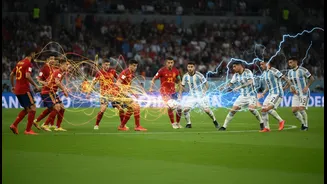
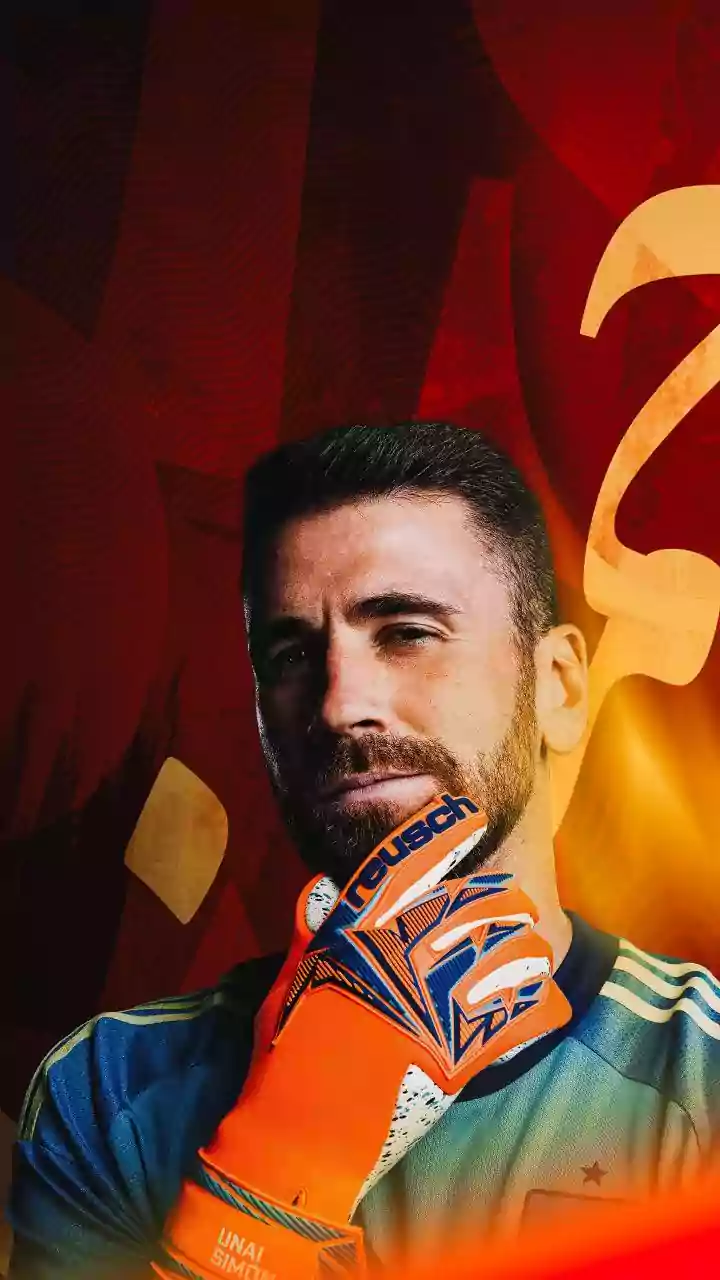
Spain arrives at the final as perhaps the most complete team in the tournament. Fresh off a Euro 2024 victory, Luis de la Fuente has forged a side that blends the nation's traditional possession-based DNA with a modern, vertical, and aggressive edge.
This isn't the slow, patient tiki-taka of the past; this is a team that presses high, attacks with purpose, and utilizes the breathtaking pace of wingers Lamine Yamal and Nico Williams to devastating effect. Their path to the final, culminating in a masterful 2-0 defensive shutout against a star-studded French side, showcased their control and tactical superiority. Led by the imperious Rodri in midfield—a Ballon d'Or winner and the team's anchor—Spain plays with a collective identity that is the envy of the footballing world. With young stars like Yamal and Pau Cubarsí delivering game-changing performances, a victory would not just be a second World Cup title; it would be the coronation of a new, potentially dominant, golden generation.
The Case for Argentina: Defending the Crown with Heart
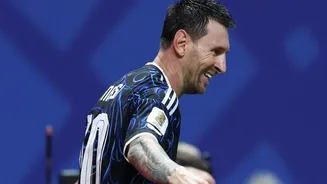
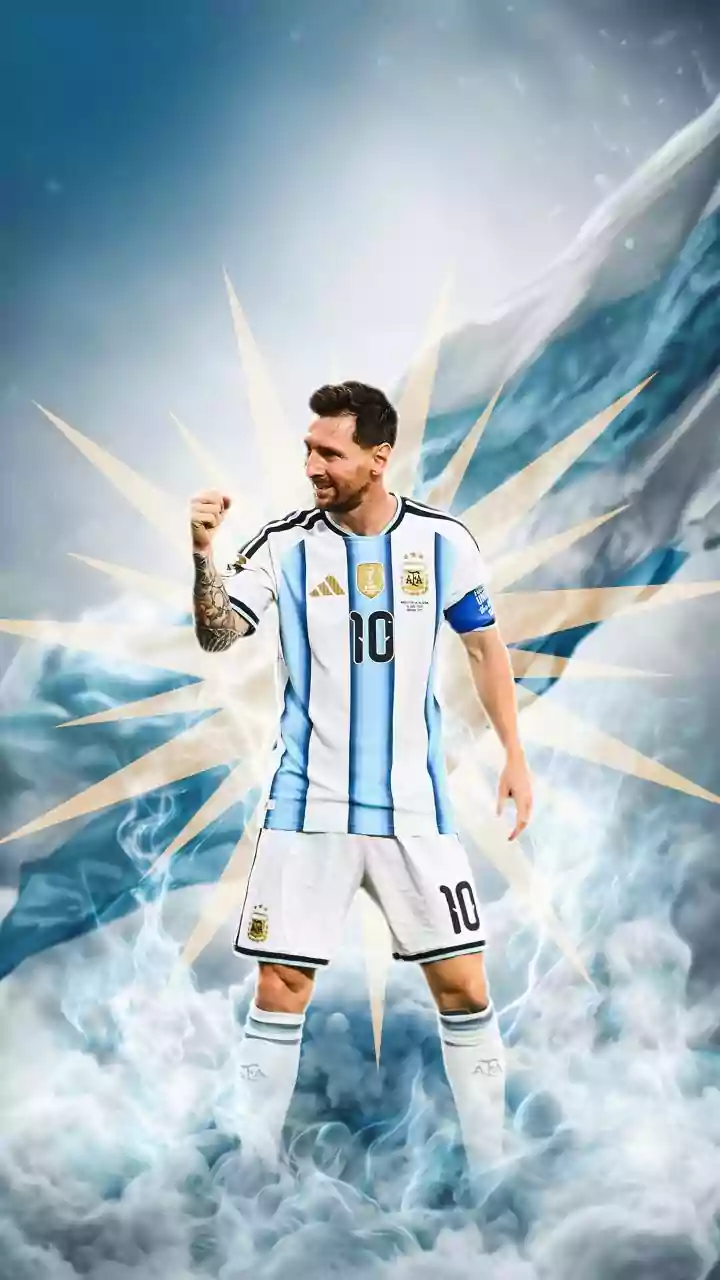
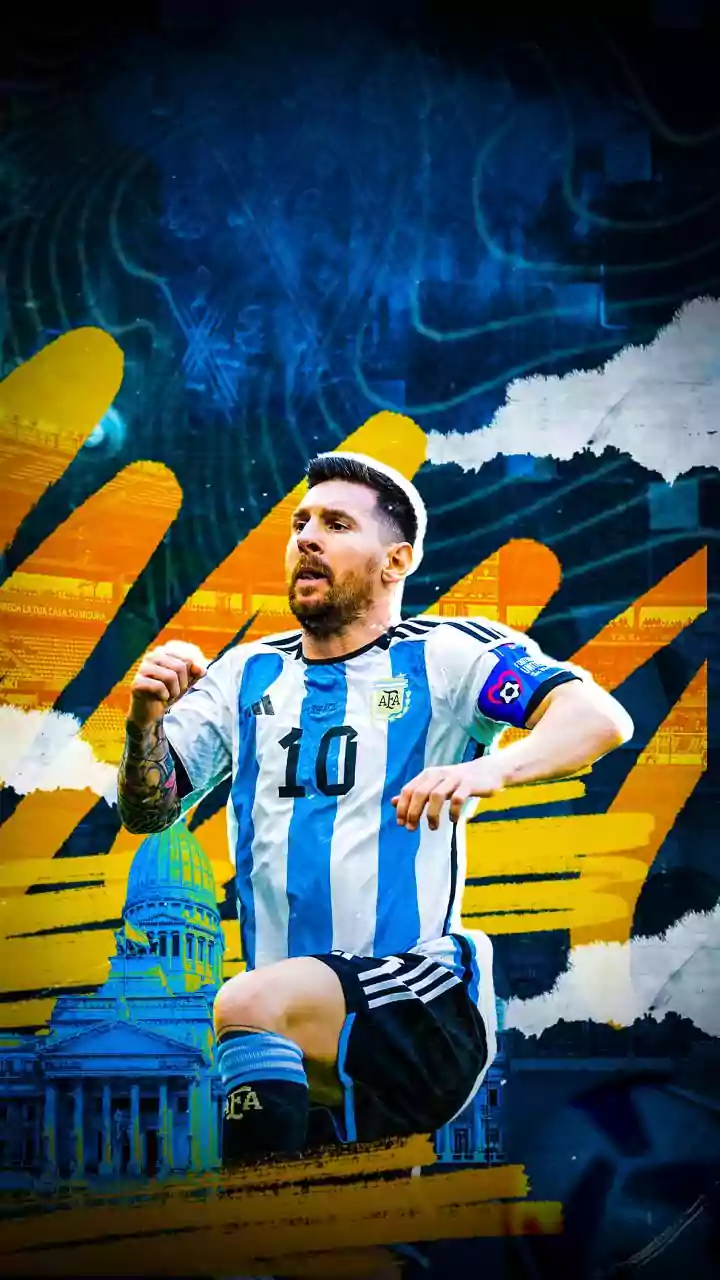
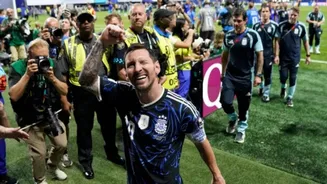
Argentina’s journey has been one of pure grit. As defending champions, they have carried the weight of expectation and have become a polarizing force, often framed in an 'us against the world' narrative. Yet, they have thrived on it. Lionel Scaloni’s side is a battle-hardened machine, a ruthless and tactically flexible unit that knows how to win. They dominated the South American qualifiers and have navigated the knockout stages with a combination of defensive discipline and late-game heroics, exemplified by their dramatic comeback win against England in the semi-final. While the legendary Lionel Messi, now 39 and playing in a record sixth World Cup, remains the spiritual leader and key creator with two crucial assists in the semis, this is not a one-man team. Midfield engines like Enzo Fernández and Alexis Mac Allister provide the immense work rate that allows the team to absorb pressure and launch lethal counter-attacks. A victory for Argentina would be a monumental achievement, making them the first nation since Brazil in 1962 to win back-to-back World Cups and cementing the legacy of this era as one of the greatest in the nation's storied history.
A Clash of Footballing Philosophies
The final represents a fascinating tactical battle. On one side, Spain's philosophy is built on control. They aim to dominate the ball, not just for the sake of possession, but to disorganize opponents and prevent them from ever building momentum. Their aggressive counter-press is designed to win the ball back seconds after losing it, suffocating teams into submission. They have conceded the fewest expected goals in the tournament, a testament to a system where defense starts with the forwards. On the other side is Argentina's mastery of chaos and emotional resilience. Scaloni has built a team that is comfortable ceding possession, staying compact, and then striking with blistering pace in transition. They are specialists in the game's dark arts—managing the clock, drawing fouls, and controlling the emotional temperature of the match. Argentina has scored half of its 18 tournament goals in the last 15 minutes of matches, proving they are most dangerous when the stakes are highest. It's a clear contrast: Spain’s methodical control versus Argentina’s moments of explosive, high-leverage brilliance.
Key Battles to Watch
The trophy could be won or lost in several key individual duels. The most captivating will be how Argentina's midfield, particularly the tireless Rodrigo De Paul and Enzo Fernández, attempts to disrupt Spain's rhythm, which is dictated by Rodri. If Rodri is allowed time and space to receive the ball facing forward, Spain will likely control the game. Out wide, the electrifying one-on-one battles between Spanish wingers Lamine Yamal and Nico Williams against Argentine full-backs like Nahuel Molina and Nicolás Tagliafico will be critical. If Spain’s wingers can isolate their defenders, Argentina will be in serious trouble. Finally, there is the Messi factor. Though older, his ability to find pockets of space between the lines to create for forwards like Julián Álvarez and Lautaro Martínez is unparalleled. How Spain's disciplined center-backs, such as Pau Cubarsí and Aymeric Laporte, handle the living legend's movement could ultimately decide the contest.