





The Classic Monsoon Ritual
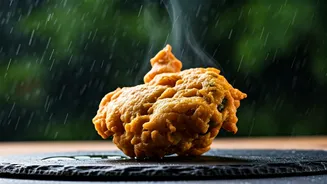
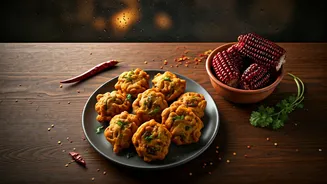
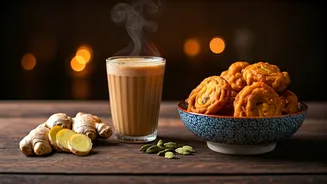
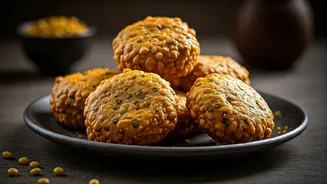
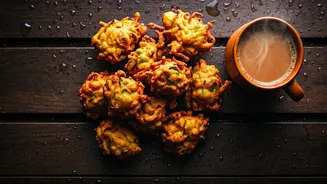
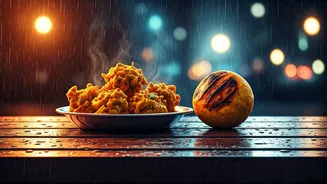
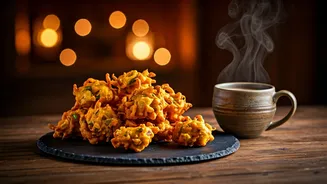
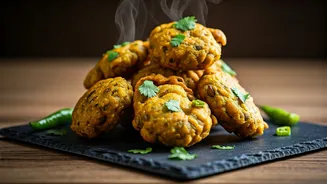
For as long as anyone can remember, the Indian monsoon has been a sensory experience. It’s the earthy smell of petrichor, the rhythmic drumming of rain on a tin roof, and the comforting taste of deep-fried, spiced goodness. The holy trinity of monsoon snacks—crispy
pakoras, steaming samosas, and sweet, milky chai—is more than just food; it's a cultural institution. It’s the flavour of impromptu family gatherings, a delicious excuse to pause work, and the perfect antidote to the damp chill in the air. These dishes are intertwined with our collective memory, passed down through generations as the undisputed kings of rainy-day comfort.
Enter the Underdog: Tomato Soup
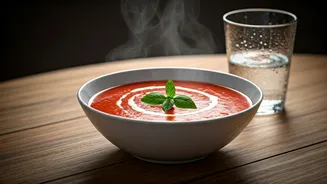
Amidst this deeply entrenched tradition, a quiet revolution is taking place. Across urban India, from bustling cafes in Mumbai to cozy home kitchens in Delhi, tomato soup is emerging as a formidable monsoon favourite. Once relegated to restaurant appetiser menus or seen as a quick fix for a cold, this humble, velvety broth is being embraced for its comforting warmth and soothing properties. Food delivery apps report a significant spike in soup orders the moment the skies open up. Social media feeds, once dominated by pictures of pakoras, now feature artfully shot bowls of creamy red soup, often accompanied by a grilled cheese sandwich—its international partner-in-crime.
Why Soup, and Why Now?
The rise of tomato soup isn't a random phenomenon. It’s a reflection of several converging lifestyle shifts. Firstly, there's a growing health consciousness. While pakoras are beloved, they are also deep-fried. Tomato soup offers a lighter, healthier, yet equally warming alternative. It provides the comfort without the guilt, appealing to a generation more mindful of their dietary choices. Secondly, convenience is king. A good pakora requires prep work—chopping, mixing, and careful frying. A quality tomato soup can be made in minutes from a carton or with minimal effort from scratch, fitting seamlessly into busy, modern lives. Finally, there's the influence of global cafe culture. As international coffee chains and local artisanal cafes have spread across India, so have their menus. Tomato soup, often served with a gourmet twist, has become a symbol of casual, sophisticated comfort.
A Tale of Two Comforts
This isn't to say that the era of chai and pakora is over. Far from it. The traditional favourites still hold a powerful nostalgic and emotional grip. Instead, what we are witnessing is an expansion of our comfort food vocabulary. The choice is no longer just between onion or potato pakoras. It's now between the familiar, crunchy indulgence of a samosa and the smooth, tangy warmth of a bowl of soup. This reflects a broader trend in modern India: an eagerness to embrace new experiences without completely discarding tradition. We want the best of both worlds—the comfort of our grandmother’s recipes and the novelty of global trends.