







A Taste of Tradition Meets Modernity
Urban Indian cafes, once dominated by Western-style coffees and coolers, are embracing a delicious return to their roots. A quiet revolution is taking place on their menu boards, led by two traditional beverages: Kanji and Sol Kadhi. These drinks, long
cherished in Indian households for their distinctive flavors and health benefits, are now being introduced to a new generation of cafe-goers. This trend is more than just a nostalgic nod to the past; it represents a savvy fusion of wellness, cultural pride, and culinary innovation that is resonating with modern consumers who are increasingly seeking authentic and mindful choices.
Decoding the Drinks: What are Kanji and Sol Kadhi?
For the uninitiated, Kanji is a fermented beverage hailing from North India, traditionally made during the winter and for festivals like Holi. Its primary ingredient is black carrot, which, when combined with water, salt, and mustard seeds and left to ferment in the sun, produces a tangy, pungent, and deeply colored drink. This fermentation process is key, as it creates beneficial bacteria, making Kanji a natural probiotic.
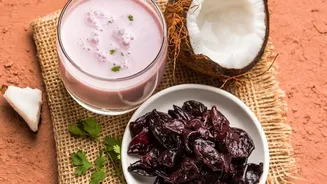
Sol Kadhi, on the other hand, is a soothing, pale pink drink from the coastal Konkan region, particularly Goa and Maharashtra. It’s typically made from kokum, a sour fruit, and creamy coconut milk, often infused with hints of chili, garlic, and salt. Traditionally served as a digestive after a heavy meal, its primary role is to cool the body and aid digestion.
The Probiotic Powerhouse Appeal
A major driver of this trend is the global wellness movement and a growing awareness around gut health. Both Kanji and Sol Kadhi are celebrated for their health-giving properties. Kanji is a powerhouse of probiotics, the 'good' bacteria that support a healthy gut microbiome, which in turn can boost immunity and improve digestion. Some compare it to kombucha, but with a uniquely Indian flavor profile rooted in spices and vegetables.
Sol Kadhi, while not fermented in the same way, is known for its cooling properties and its ability to soothe the digestive system, especially after spicy meals. The active compounds in kokum are believed to have anti-inflammatory and antioxidant benefits. In a world saturated with sugary sodas and artificial beverages, these drinks offer a wholesome, natural alternative that delivers both flavor and function.
The Modern Cafe Makeover
Cafes aren't just pouring these drinks straight from a traditional recipe; they're giving them a contemporary twist. The 'modernisation' comes in various forms. Presentation is key, with the vibrant drinks served in stylish glassware, appealing to an Instagram-savvy audience. Some establishments are experimenting with the core recipes, creating milder versions for unaccustomed palates or blending them with other popular ingredients. You might find a Kanji-based welcome drink, a Sol Kadhi with a sprig of rosemary, or even a cocktail version where gin or vodka is added to create a uniquely Indian-inspired tipple. These creative interpretations make the drinks more accessible and exciting, bridging the gap between grandmother's kitchen and the trendy cafe.
More Than Just a Health Trend
While health is a significant factor, the resurgence of Kanji and Sol Kadhi speaks to a deeper cultural shift. It reflects a growing pride in regional Indian culinary traditions and a desire to celebrate local ingredients. Chefs and cafe owners are acting as cultural ambassadors, reintroducing these forgotten gems and telling the stories behind them. For consumers, it’s an opportunity to connect with their heritage in a new and exciting context. Choosing a glass of Sol Kadhi over a mass-produced soft drink is a small act of celebrating local flavor and sustainable, seasonal eating practices that have been part of the Indian subcontinent for centuries.