


The Superfood Hype vs. Local Reality
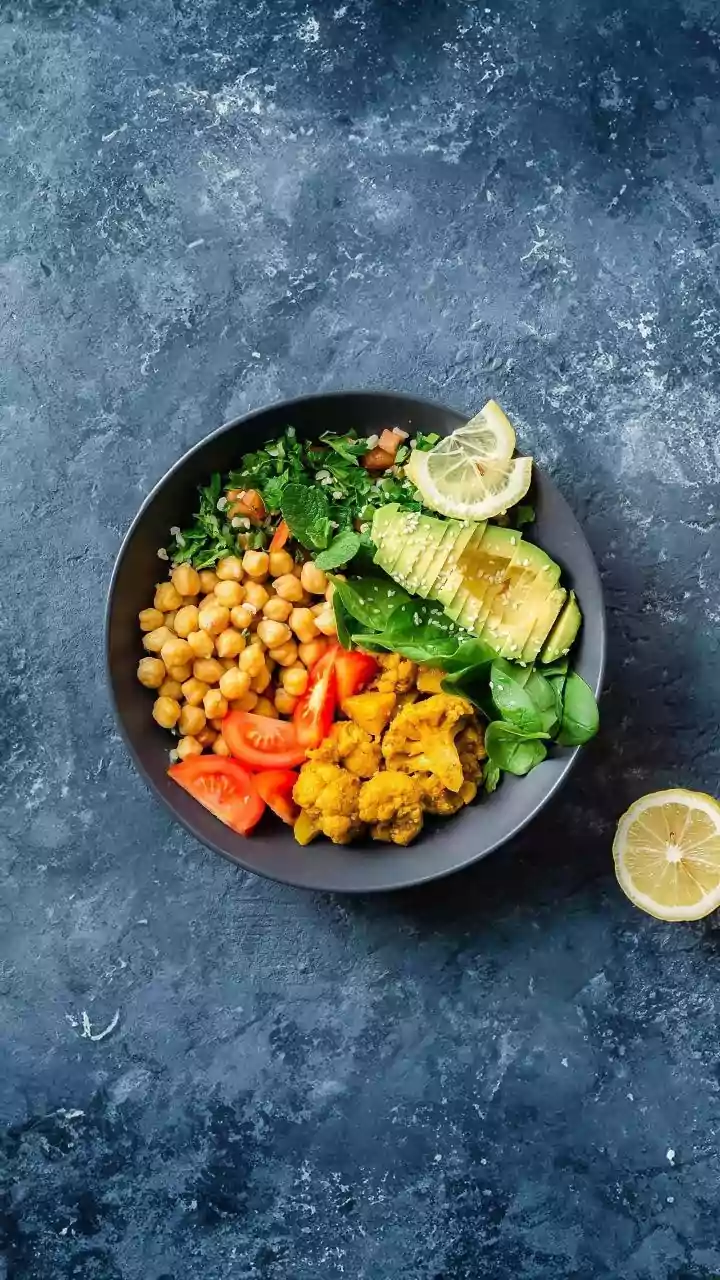
In the quest for workplace wellness, it's easy to get swayed by beautifully marketed 'superfoods'. From quinoa to avocados and kale, these items promise a potent dose of nutrients, but they often come with a premium price tag. While these foods are nutritious,
the belief that they are fundamentally superior to local produce is largely a myth. Nutritionists suggest that local, seasonal vegetables are often just as, if not more, beneficial for our bodies. They are fresher, better adapted to our dietary needs, and haven't lost vital nutrients during long transit times. Before you spend a fortune on imported berries, remember that the humble amla has been found to contain significantly more Vitamin C.
Why Eating Seasonally is Smarter
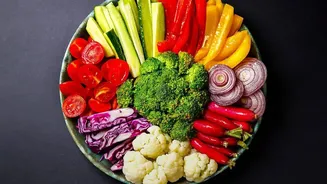
Aligning your diet with the seasons is a practice deeply rooted in Indian tradition, including Ayurveda, for good reason. Seasonal vegetables are at their peak in terms of flavour and nutritional value. They are harvested when they are naturally ripe, which means they are packed with the vitamins and antioxidants our bodies need at specific times of the year. Eating seasonal produce is also lighter on your wallet. When vegetables are in season, they are abundant, which drives down costs. This stands in stark contrast to out-of-season or imported goods, which are more expensive due to transportation and storage. Furthermore, buying seasonal supports local farmers and is better for the environment.
Monsoon Marvels for Your Tiffin
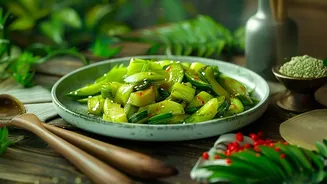
The rainy season brings a unique bounty of vegetables that are perfect for a nourishing office lunch. These veggies often have properties that help boost immunity when infections are common. Bottle Gourd (Lauki): With its high water content, lauki is hydrating, easy to digest, and low in calories. A simple lauki sabzi or soup makes for a light yet filling meal. Bitter Gourd (Karela): Don't let the bitterness fool you. Karela is rich in Vitamin C and antioxidants, known to help regulate blood sugar and support liver function. A stir-fry with onions and spices can temper its taste. Okra (Bhindi): A favourite in many Indian households, bhindi is a good source of fibre, vitamins A and C, and folate. A simple bhindi masala is easy to pack and tastes great even at room temperature.
Winter Warmers for a Hearty Lunch
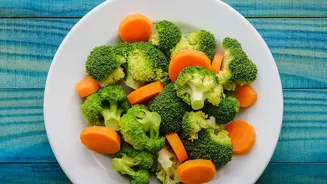
Winter is when the markets are flooded with colourful and nutrient-dense vegetables that provide warmth and boost immunity. These are ideal for hearty office meals. Spinach (Palak): This leafy green is a powerhouse of iron, magnesium, and vitamins A and C. It helps maintain energy levels during colder months. Pack a palak paneer or add it to your dal for a nutritious punch. Carrots (Gajar): Rich in beta-carotene, which converts to Vitamin A, carrots are excellent for eye health and skin. They can be eaten raw as a snack, added to a pulao, or made into a simple sabzi. Fenugreek Leaves (Methi): Known for helping regulate blood sugar and aiding digestion, methi leaves are an essential winter green. Aloo methi or methi parathas are classic tiffin-friendly options.
Summer Staples for Light and Cool Meals
Summer calls for light, hydrating foods to combat the heat. The vegetables available during this season are naturally cooling and packed with water. Cucumber (Kheera): With its high water content (around 96%), cucumber is incredibly refreshing and hydrating. It's perfect for a quick salad, raita, or simply as a crunchy side to your meal. Pumpkin (Kaddu): This versatile vegetable is loaded with beta-carotene, an antioxidant that boosts immunity and is great for skin health. A lightly spiced pumpkin sabzi offers a subtly sweet and satisfying lunch. * Beans (Sem): Various types of beans are available in summer and are rich in protein and fibre. They promote heart health and help in managing blood sugar, making for a wholesome addition to a mixed vegetable dish or a simple stir-fry.
Making It Work for the Office
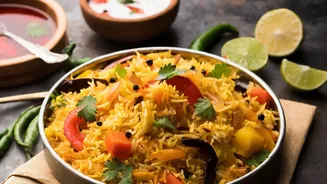
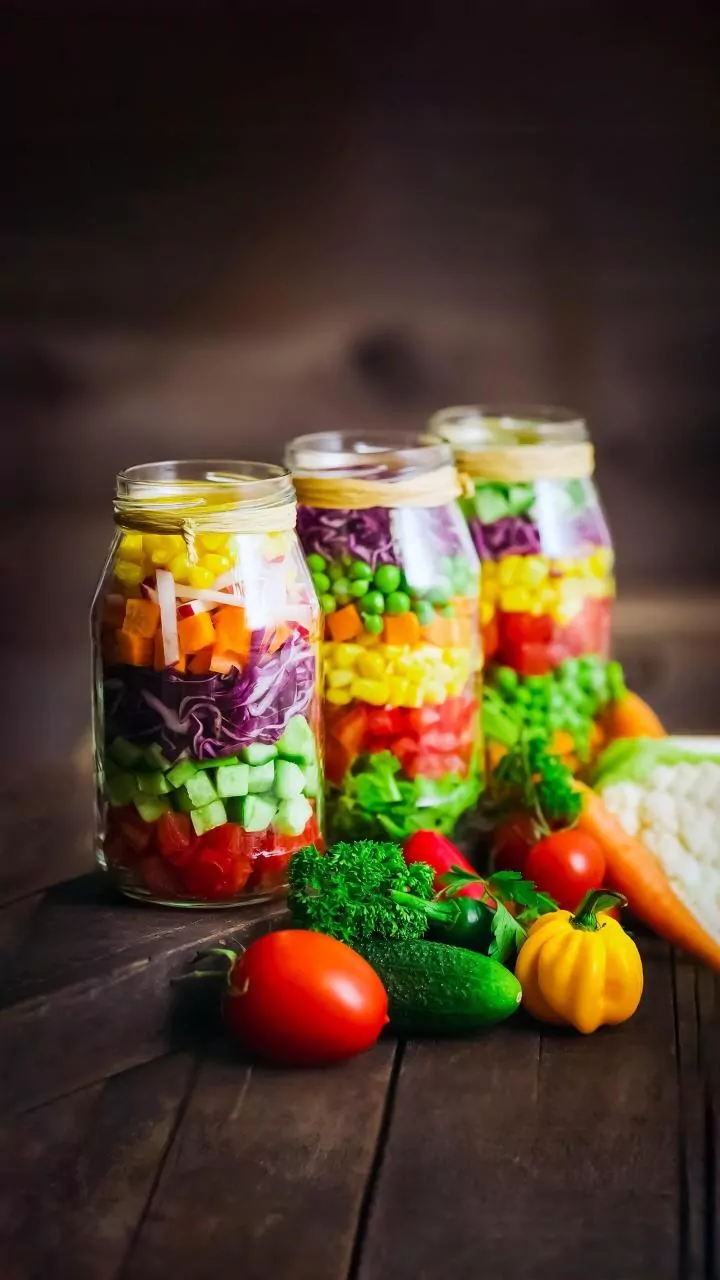
The key to successfully carrying home-cooked meals to work is planning. Spend a little time over the weekend chopping vegetables for the next couple of days. One-pot meals like vegetable pulao or khichdi are quick to prepare and easy to pack. Invest in good quality airtight tiffin boxes to keep food fresh. For salads, pack the dressing separately to avoid sogginess. Simple stir-fries (sabzi) and dal can be made the night before. By embracing these simple habits, you can enjoy delicious, healthy, and affordable meals at your desk without the stress.