





Why 'Nutrient-Rich' Matters
For too long, breakfast has been dominated by convenience foods high in refined carbohydrates and sugar. Think packaged cereals, sugary pastries, or even just a simple slice of white toast. While they offer a quick burst of energy, it’s often followed
by a crash, leaving you feeling sluggish and hungry long before lunch. A nutrient-rich breakfast, on the other hand, is a balanced plate of protein, healthy fats, complex carbohydrates, and fibre. This combination provides a slow-release of energy, keeps you feeling full and satisfied, stabilises blood sugar levels, and provides the essential vitamins and minerals your body needs to function optimally. It’s not about eating less; it’s about eating smarter.
1. Power Up with Protein
Protein is the building block of a satiating breakfast. It takes longer to digest, which means you stay fuller for longer and are less likely to reach for unhealthy mid-morning snacks. It also plays a crucial role in muscle repair and brain function. Integrating more protein is easier than you think. How to do it: Move beyond a single egg. A two-egg omelette packed with chopped vegetables like spinach, bell peppers, and onions is a classic. Scrambled paneer (paneer bhurji) with minimal oil is another fantastic high-protein option. For a plant-based boost, add a handful of sprouts or chickpeas to your poha or upma. Even a simple bowl of thick dahi (yoghurt) or Greek yoghurt topped with seeds offers a significant protein punch.
2. Embrace Whole Grains and Millets
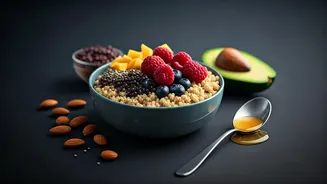
It’s time to rethink our grains. While refined flour can cause blood sugar spikes, whole grains and millets are packed with fibre, which aids digestion and promotes a feeling of fullness. They are true complex carbohydrates that provide sustained energy. How to do it: Swap your regular suji for dalia (cracked wheat) or multi-grain suji to make upma. Prepare poha with a mountain of vegetables to increase its fibre content. Millets like ragi, jowar, and bajra are making a huge comeback. A warm bowl of ragi porridge, sweetened with a little jaggery and topped with nuts, is a comforting and incredibly nutritious start to the day. You can also find millet-based idli and dosa batters for a modern twist on a traditional favourite.
3. Add Healthy Fats for Fuel
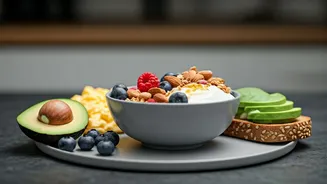
Fat is not the enemy; the right kind of fat is essential for brain health and absorbing vitamins. Healthy fats, found in nuts, seeds, and avocados, help keep you satisfied and provide long-lasting fuel for your body and mind. How to do it: This is perhaps the easiest addition. Sprinkle a tablespoon of mixed seeds—like chia, flax, pumpkin, and sunflower—over your yoghurt, oatmeal, or smoothie. A small handful of almonds or walnuts on the side can accompany any Indian breakfast. If you enjoy toast, mash half an avocado onto a slice of whole-grain bread and sprinkle with a little salt and pepper. This simple swap adds healthy fats and fibre, making your toast far more satisfying.
4. Go Green (and Red, and Orange)
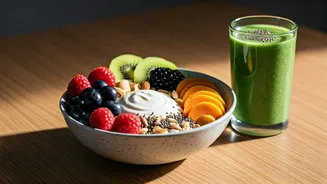
Don't forget the power of fruits and vegetables. They are low in calories but high in vitamins, minerals, and antioxidants. Incorporating them into your breakfast ensures you start your day on the right track to meeting your daily nutritional needs. How to do it: Add a handful of spinach to your omelette or smoothie—you won't even taste it. Finely chop carrots, peas, and beans and mix them into your upma or poha. Top your bowl of porridge or dahi with fresh berries, sliced banana, or pomegranate seeds. A quick smoothie blended with fruit, a leafy green like spinach, and a scoop of yoghurt is a perfect nutrient-dense meal for busy mornings.