

The 'Use-First' Box Concept
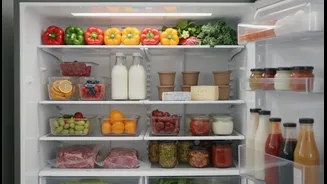
The core of this strategy is creating a designated 'Use-First' box or zone in your refrigerator. This isn't a complex organizational system; it's a simple, visual cue. Think of it as a triage centre for your produce. It’s for any vegetable that is delicate,
approaching its expiration date, already opened, or simply a leftover half-onion. The principle is straightforward and borrowed from professional kitchens: First In, First Out (FIFO). By putting the most vulnerable items in plain sight, you’re prompted to use them before they spoil, drastically cutting down on waste and saving money.
Setting Up Your System
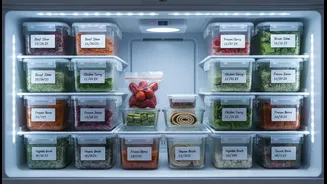
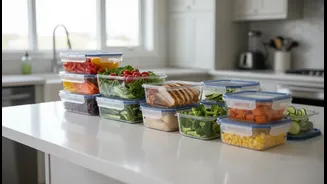
Getting started is easy. You don’t need fancy equipment. Choose a clear, open container—a simple plastic bin, a glass dish, or even a designated crisper drawer will work perfectly. The key is that it's visible and accessible. Place it at eye-level on a main shelf in your fridge. When you return from grocery shopping, the first step of your unpacking routine should be to assess your new produce. Anything that won't last the week, or anything that's a leftover from the previous week, goes directly into this box. This simple act of sorting upon arrival is the most crucial step to making the system work.
Prioritising Delicate Vegetables
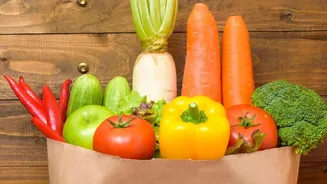
Delicate items are the primary candidates for your Use-First box. Leafy greens like spinach and lettuce, fresh herbs like coriander and basil, and vegetables with high water content like cucumbers and mushrooms have a notoriously short shelf life. As soon as you bring them home, they should be considered 'at-risk'. For items like spinach or mixed greens that come in a plastic clamshell, open the container and place a paper towel inside to absorb excess moisture, which is a primary cause of wilting and decay. Herbs can be treated like a bouquet of flowers: trim the stems and place them in a glass of water on the counter or in the fridge.
Managing Opened and Cut Items
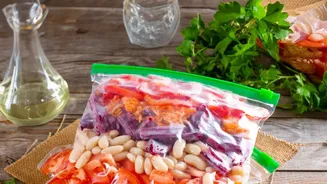
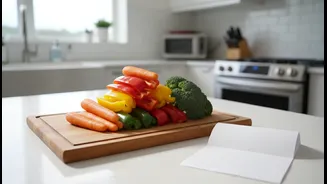
The second major cause of kitchen waste comes from opened packages and prepped ingredients. That half-used bag of carrots, the remaining portion of a bell pepper, or a few florets of broccoli all need a home. Left to their own devices, they get pushed to the back and forgotten. Your Use-First box is their new home. By consolidating these items, you create a ready-made kit for your next meal. Seeing them all together might inspire you to whip up a quick stir-fry, a 'clear-out-the-fridge' frittata, or a simple soup. Using clear containers for cut veggies not only keeps them fresh but also ensures you can see exactly what you have at a glance.
Making the System a Habit
A system is only as good as your commitment to it. To make your Use-First box a permanent part of your kitchen, integrate it into your meal planning. Before you make a grocery list, check the box. What needs to be used up today or tomorrow? Plan a meal or two around those ingredients. This 'use-what-you-have' approach prevents accumulation and ensures a constant rotation of stock. Get everyone in the household on board by explaining the simple rule: when looking for a snack or planning dinner, check the Use-First box first. It quickly becomes an automatic habit, like checking for milk before adding it to the shopping list. Professional chefs often use simple masking tape and a marker to date items, a practice easily adopted at home for leftovers or opened goods.