



The Magic of a Master Gravy
The secret to quick weeknight Indian cooking doesn't lie in complicated recipes; it lies in preparation. The most time-consuming part of making any curry is creating the base gravy—the slow simmering of onions, tomatoes, and spices that builds deep flavour.
By preparing a large batch of this foundation over the weekend, you separate the lengthy work from the quick assembly. This 'master gravy' approach means that on a busy Tuesday, you're only 10 minutes away from a fresh meal. All you have to do is heat the pre-made gravy, add your protein or vegetables, and let it simmer while your rice cooks. It's cost-effective, healthier than ordering in, and puts you in complete control of your kitchen.
North Indian Hero: The All-Purpose Tomato-Onion Masala
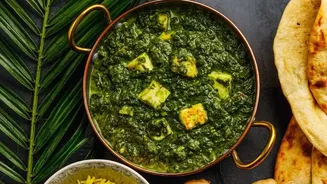
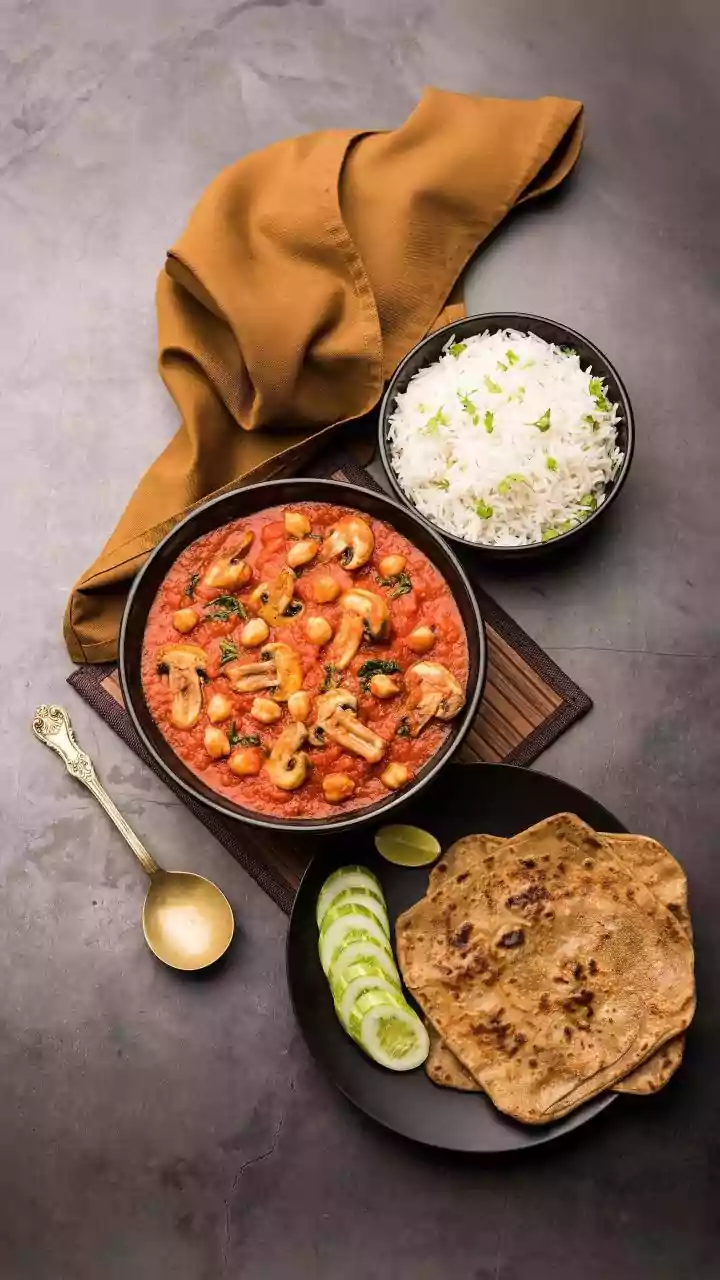
This is the workhorse of most North Indian kitchens. Its robust and savoury flavour profile is incredibly versatile, forming the backbone of everything from Paneer Butter Masala to Chole. To make it, finely chop four large onions and sauté them in oil on low heat until they are deeply golden and sweet; this can take 15-20 minutes, but it's worth it. Next, add a paste of ginger and garlic and cook for a minute before adding the purée of six ripe tomatoes. Cook this mixture down until it thickens and the oil begins to separate from the masala. This indicates that the gravy is ready. For a richer, restaurant-style finish, you can add a paste of soaked cashews along with the tomatoes. Don't add spices at this stage; you'll add those fresh each night to customise your dish.
South Indian Staple: A Fragrant Coconut Base
For a different flavour journey, a South Indian-style gravy offers a lighter, tangier, and fragrant alternative. This base often relies on coconut for creaminess, lentils for body, and a unique tempering of spices. Start by heating coconut oil and adding mustard seeds. Once they splutter, add chana dal, urad dal, dried red chillies, and a sprig of curry leaves. Sauté until the lentils are golden. To this, you can add onions and cook until soft, followed by tomatoes. The key ingredient is fresh or desiccated coconut, which is often ground into a paste with a little water and added towards the end of the cooking process. A touch of tamarind paste can also be added for a characteristic tangy finish. This base is perfect for creating dishes like vegetable kurma or a hearty lentil stew.
From Gravy to Gourmet: Quick Meal Ideas
With these two gravies in your fridge, your dinner options are endless. For the North Indian Tomato-Onion Base: - Add boiled chickpeas and chole masala for a quick Chana Masala. - Sauté paneer cubes and add them with a splash of cream for Paneer Makhani. - Drop in boiled eggs for a simple and protein-packed Egg Curry. - Use it as a base for Rajma or add mixed vegetables like potatoes, peas, and carrots for Aloo Matar. For the South Indian Coconut Base: - Simmer with a medley of steamed vegetables (carrots, beans, potatoes) for a classic Vegetable Kurma. - Use it as a flavourful sauce for fish or shrimp, simmering until the seafood is cooked through. - Add it to cooked lentils (like toor dal or masoor dal) to create a fragrant Sambar-style dish.
Smart Storage for a Stress-Free Week
Proper storage is crucial for keeping your gravies fresh and ready to use. First, allow the cooked gravies to cool down completely to room temperature. Storing hot food in the fridge can lead to condensation and spoilage. Portion the gravy into small, airtight glass containers – one for each meal you plan to make. This prevents you from having to reheat the entire batch multiple times. The gravies will last for up to five days in the coldest part of your refrigerator. For longer storage, pour the cooled gravy into ice cube trays and freeze. Once solid, transfer the cubes to a zip-lock bag. This allows you to grab just a few cubes for a single-serving meal. They will keep well in the freezer for up to two months. Always remember to label your containers with the date and type of gravy.