
What is Moringa, a.k.a Sahjan?
Chances are, you're already familiar with moringa, even if you don't recognise the name. Known widely in India as 'sahjan' or the drumstick tree, this plant has been a part of our traditional cuisine and Ayurvedic medicine for centuries. Every part of the tree is useful,
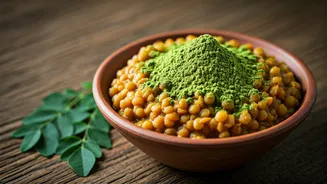
but the leaves are particularly celebrated for their dense nutritional profile. Moringa leaf powder is simply these leaves, dried at low temperatures to preserve their nutrients and ground into a fine, vibrant green powder. This modern format makes it incredibly easy to incorporate the age-old benefits of sahjan into our fast-paced, contemporary lives without the hassle of sourcing and cleaning fresh leaves.
Answering the Call for Iron
The headline's claim isn't an exaggeration. Moringa is exceptionally rich in plant-based iron, a crucial mineral for producing red blood cells and combating fatigue. This is especially important for vegetarian and vegan diets, where iron intake can sometimes be a concern. A single serving of moringa powder can provide a significant portion of your daily iron requirement. What makes it even more effective is that moringa is also packed with Vitamin C, a nutrient known to significantly enhance the body's ability to absorb plant-based (non-heme) iron. So, when you add moringa to your dal, you're not just adding iron; you're adding the key that helps your body unlock it.
How Will It Taste in My Dal?
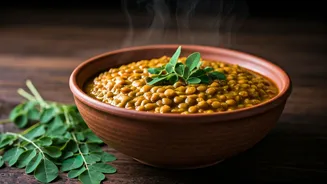
The biggest hesitation when adding a new ingredient is often about flavour. Will it overpower the familiar taste of your favourite toor, masoor, or moong dal? Fortunately, moringa powder has a mild, slightly earthy flavour profile, often compared to spinach or matcha. In the complex, spiced world of a well-made dal, this flavour blends in seamlessly. It adds a subtle depth and a pleasant, vegetal note that complements the lentils and spices rather than competing with them. When used in moderation, most people find it enhances the overall taste, lending a fresh, 'green' dimension to a familiar dish.
The Right Way to Add Moringa Powder
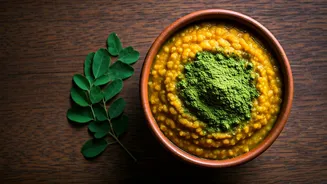
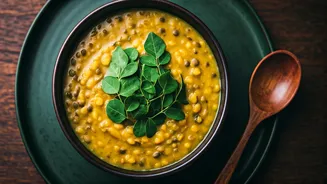
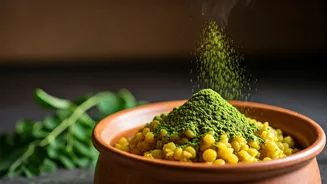
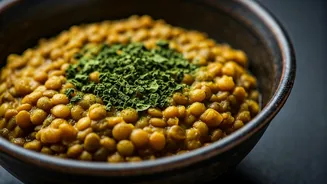
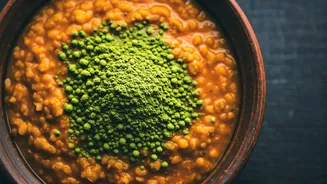
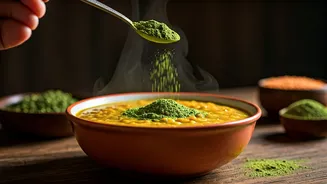
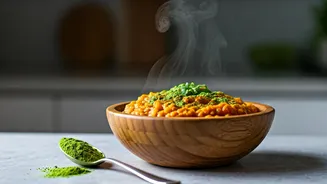
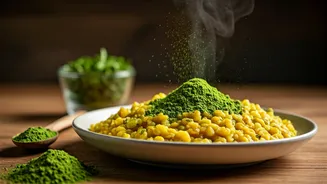
Upgrading your dal is simple, but timing is key. To retain the maximum amount of heat-sensitive nutrients like Vitamin C, it's best to add the moringa powder towards the end of the cooking process. After your dal is cooked and you've added your tadka, simply turn off the heat. Take one to two teaspoons of moringa powder per serving, mix it with a little water to form a smooth paste (this prevents clumps), and stir it into the hot dal. Let it sit for a minute or two for the flavours to meld before serving. The dal will take on a deeper, slightly greener hue, which is a visual sign of the nutritional boost you've just added.
Tips for the Perfect Moringa-Infused Dish
To get the best results, keep a few things in mind. First, start small. If you're new to the flavour, begin with just half a teaspoon per serving and gradually increase it as you get accustomed to the taste. Second, quality matters. Look for a reputable brand of moringa powder that is bright green in colour—a brownish powder indicates it may be old or improperly processed, with fewer nutrients. Third, don't boil it. Exposing the powder to prolonged high heat will diminish its nutritional value. Finally, feel free to experiment! While adding it at the end is ideal for nutrition, some people enjoy frying the powder for a few seconds in ghee with their tadka spices for a toastier flavour. It’s all about finding what works for your palate.