





Defining the Vibe
At its heart, 'Grandma Garden Energy' is an aesthetic and an ethos that rejects rigid, overly manicured landscaping in favour of something more personal and forgiving. Think less of a high-end garden catalogue and more of a cosy, slightly rambling sanctuary.
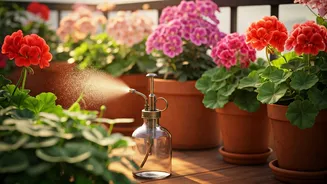
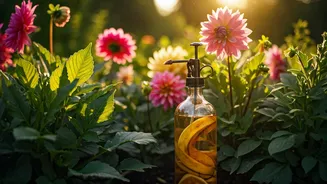
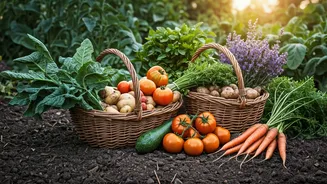
It’s the jumble of mismatched terracotta pots, the marigolds planted next to the tomatoes to ward off pests, and the fragrant mint threatening to take over a corner patch. It’s a space that feels lived-in and loved, where every plant has a story or a purpose. This energy prioritises feeling and function over flawless form, creating a space that nurtures both the plants and the person tending to them.
Why We Crave This Now
This turn towards the familiar and nurturing is no accident. In a world that often feels fast, digital, and impersonal, 'Grandma Garden Energy' offers a tangible antidote. It’s a quiet rebellion against hustle culture and the pressure for online perfection. Much like its aesthetic cousins, cottagecore and grandmacore, this trend is about finding beauty in imperfection and grounding ourselves in simple, analogue pleasures. It represents a longing for authenticity, sustainability, and a deeper connection to nature and our own history. We’re not just growing plants; we’re cultivating a sense of peace, stability, and self-reliance in a world that feels increasingly unpredictable. The garden becomes a refuge, a place to slow down and reconnect.
The Heart of Soft and Warm
The 'soft and warm' part of the equation is pure emotion. It’s the nostalgia for a grandparent’s backyard, the memory of picking sun-warmed tomatoes straight from the vine, or the comforting scent of roses and basil mingling in the air. This energy is deeply tied to sensory experiences that evoke feelings of safety, love, and home. It’s the gentle satisfaction of watching a seed you planted sprout, or sharing a handful of fresh herbs with a neighbour. This warmth comes from generosity—the garden produces more than just plants; it produces moments of connection and care. It’s a space where you can make mistakes, where a wilting plant is an opportunity to learn, not a failure.
Practicality Over Perfection
But this trend is not just about feeling good; it’s about doing good, practical things. The 'practical' aspect is what distinguishes it from being purely decorative. A grandma's garden works. The flowers attract pollinators for the vegetables. The herbs are snipped for dinner. The compost pile turns kitchen scraps into rich soil. This is a resourceful style of gardening born from experience and common sense. It’s about companion planting, saving seeds for next year, and using what you have. It’s the ultimate expression of sustainability—a closed-loop system where nothing is wasted. This practicality demystifies gardening, making it less about expensive tools and products and more about working in partnership with nature in a resourceful way.
Cultivating Your Own Corner
The wonderful thing about this energy is its accessibility. You don’t need a sprawling estate to tap into it. 'Grandma Garden Energy' can flourish on a sunny windowsill, a small balcony, or a few pots on a front step. Start with what you love and what you’ll use. Plant a pot of tulsi for your chai, some curry leaves for your dals, or a simple marigold for a splash of colour and pest control. Embrace secondhand or repurposed containers. Let go of the need for perfection. The goal isn't to replicate a magazine cover but to create a small patch of personal joy and utility. Focus on the process—the feel of the soil, the satisfaction of a small harvest—and the energy will follow.