


The E-Visa: Your Key to Georgia
One of the biggest hurdles for international travel from India can be the visa process. Georgia simplifies this significantly for Indian passport holders with its e-visa portal. The entire process is online, eliminating the need for embassy appointments.
Applicants can visit the official portal (evisa.gov.ge), fill in their details, upload the required documents, and pay the fee. The cost is approximately $20 USD plus service and verification fees, totaling around $35-$40 USD. The processing time is typically five to seven working days. This ease of access is a major perk, making spontaneous or quick-plan trips a real possibility. It is important to note, however, that Indian travellers holding valid visas or residence permits from countries like the USA, UK, Schengen states, or GCC nations may be able to enter Georgia visa-free for up to 90 days. All visitors are required to have valid travel and health insurance.
Why Autumn is the Perfect Season
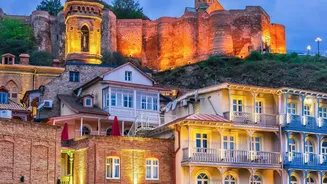
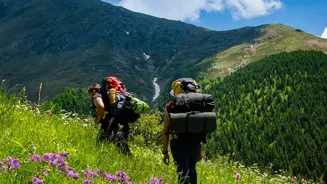
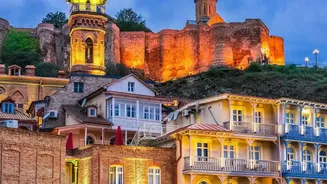
Autumn, from September to early November, is a magical time to visit Georgia. The scorching summer heat gives way to crisp, pleasant weather, and the landscapes transform into a canvas of gold, red, and orange. This is the season of 'Rtveli', the traditional grape harvest and winemaking festival, especially vibrant in the Kakheti region. For young travellers, it means fewer crowds than in peak summer, more comfortable temperatures for hiking in the Caucasus Mountains, and stunning scenery for those perfect travel photos. The capital, Tbilisi, is particularly charming in autumn, with its cobblestone streets and vine-covered balconies awash in fall colours. It's an ideal time for exploring the city on foot without breaking a sweat.
Budgeting Your Georgian Adventure
Georgia is famously affordable, which is a huge draw for younger travellers. A realistic daily budget can range from $40 to $60 USD (approx. ₹3,300 - ₹5,000) for a budget-conscious traveller. This would cover a bed in a well-regarded hostel or guesthouse, meals at local restaurants, and public transport. Return flights from major Indian cities like Delhi or Mumbai to Tbilisi can be found for ₹35,000 - ₹55,000, especially if booked in advance. Local food is both a highlight and a money-saver. A delicious Khachapuri (cheese-filled bread) can cost as little as 10-15 GEL (approx. ₹250-₹375), and a plate of Khinkali (dumplings) costs around 1-2 GEL per piece. A filling meal at a local eatery can easily be had for under 35 GEL (approx. ₹875).
A Budget-Friendly Itinerary
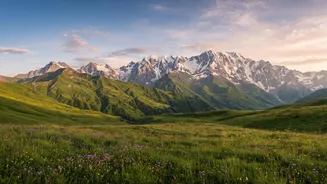
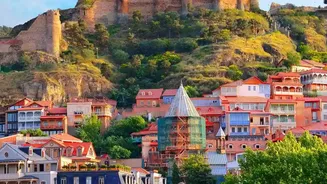
A week is a great amount of time for a first trip. Start in Tbilisi, the vibrant capital. Spend two to three days exploring its diverse districts. Wander through the Old Town, take the cable car up to Narikala Fortress for panoramic views (the ride itself is very cheap), and relax in the historic sulphur baths. Many of the city's main sights, like the Holy Trinity Cathedral and the quirky Dry Bridge Flea Market, are free to visit. From Tbilisi, take a 'marshrutka' (shared minibus) for a day trip to Mtskheta, the ancient capital and a UNESCO World Heritage Site. For mountain lovers, a trip along the scenic Georgian Military Highway to Kazbegi is a must. A shared taxi or marshrutka makes this an affordable journey. Once there, the hike up to the iconic Gergeti Trinity Church, with Mount Kazbek in the background, is a free and unforgettable experience.
Tips for Young Indian Travellers
To make your trip even more affordable, embrace local living. Stay in guesthouses run by families; they often offer home-cooked meals that are both delicious and cheap. Use public transport like the metro in Tbilisi and marshrutkas for inter-city travel. They are incredibly cost-effective. While credit cards are accepted in most hotels and larger restaurants in the city, it’s wise to carry cash (Georgian Lari - GEL) for smaller bakeries, markets, and in rural areas. English is commonly spoken by younger people in tourist areas, but learning a few Georgian phrases like "Gamarjoba" (Hello) and "Madloba" (Thank you) will be warmly received. Local SIM cards are inexpensive and offer good data packages, making it easy to use maps and stay connected.