


Mindful Water Usage
Water is a precious resource, and our bathrooms are a key area of consumption. [9] A running tap can waste gallons of water every minute. [21] Simple acts like turning off the faucet while you lather your face wash, shampoo your hair, or brush your teeth
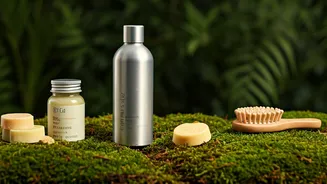
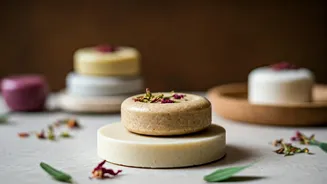
can save a significant amount. [6, 18, 21] A five-minute shower, for example, uses far less water than a full bath. [12] You can also explore the growing world of waterless beauty, such as solid shampoo bars and cleansing sticks, which reduce water in their production and require no plastic bottle. [4, 9]
Use Less, Waste Less
More is not always better, especially with skincare. Using more product than necessary doesn't increase its benefits; it just means you'll run out faster and create more waste. [7] Pay attention to the recommended amount—often just a pea-sized drop is enough. Another smart habit is to embrace multi-tasking products. [2] A tinted moisturiser with SPF, or a colour pot that works for lips, cheeks, and eyes, can simplify your routine, reduce clutter, and minimise the number of containers you need to purchase and eventually discard. [4, 13]
Embrace the Refill Revolution
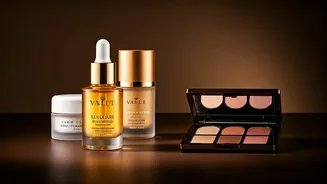
Refillable packaging is a game-changer for reducing waste. [13] Many brands now offer refills for products like serums, moisturisers, and makeup, which come in minimalist, recyclable pouches or pods. [11] While the initial purchase might involve a durable, premium container made of glass or metal, subsequent refills are often cheaper and drastically cut down on packaging waste. [10, 16] This system not only reduces your carbon footprint but can also save you money over time and foster loyalty to brands committed to circularity. [11, 20]
Swap Disposables for Reusables
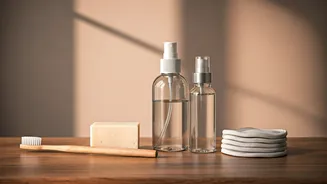
Single-use items are a major source of waste in beauty routines. Consider replacing disposable makeup wipes and cotton pads with reusable alternatives made from bamboo or cloth. [3, 4] These can be washed and reused many times, making them a more sustainable and gentle option for your skin. [2] Similarly, investing in high-quality, long-lasting tools like makeup brushes with sustainable handles (e.g., bamboo) or safety razors instead of disposable ones can make a significant long-term impact on reducing plastic waste. [3, 5]
Master the Art of Recycling
Recycling beauty packaging can be confusing. Many components, like pumps and mixed-material caps, aren't easily processed. The first rule is to always clean and dry your empty containers before recycling. [23] Residue can contaminate an entire batch of recyclables. [23] For complex packaging, look for brand-specific take-back programs. In India, several brands and platforms like L'Occitane, Sublime Life, and Plum have initiatives where you can return your empties (sometimes from any brand) for proper recycling, often in exchange for rewards. [24, 25]
Give Products a Full Life
Preventing waste starts with using what you have. Before buying a new product, try to finish the one you're currently using. [7] If a product doesn't work for your face, consider repurposing it. [26] A face cream that's too rich could become a body moisturiser or hand cream, while a conditioner you dislike might work well as a shaving cream. [7, 26] For unused and unopened products you know you won't get to, consider donating them to friends or local shelters, ensuring they get used instead of expiring in a drawer. [15, 19, 26]