






The Gentle Wash Cycle
The first rule of wool care is to wash garments less frequently. Wool's natural fibres are odour and bacteria-resistant, so simply airing out a sweater after wearing is often enough. When a wash is necessary, always check the care label first. If it allows
machine washing, turn the garment inside out to reduce friction, place it in a mesh laundry bag, and use a dedicated wool or delicates cycle. This setting uses cold water (never above 30°C) and a slow spin speed (no more than 600 rotations per minute) to prevent fibres from shrinking or felting. For hand-washing, submerge the garment in a basin of cool water with a mild, wool-specific detergent. Gently swish it around for a few minutes without aggressive rubbing or wringing, then rinse twice with clean, cool water.
The Art of Drying Without Stretching
How you dry your wool is where many mistakes happen. Never hang a wet wool sweater, as the weight of the water will stretch the fibres and distort the garment's shape permanently. Tossing it in a standard dryer is also a recipe for shrinkage unless the care label explicitly says it's safe. The correct method is to lay the wet garment flat on a clean, dry towel. Roll the towel and sweater together like a swiss roll and press gently to absorb excess moisture. Do not twist or wring it. Once the excess water is removed, unroll it and lay the damp sweater flat on a fresh, dry towel or a mesh drying rack. Reshape the garment to its original dimensions and let it air dry away from direct sunlight or heat, which can cause damage and colour fading.
Dealing With Pills and Bobbles
Pilling—those tiny, fuzzy balls that appear on the surface of knitwear—is caused by friction during wear. While some initial pilling is normal, you can easily remove it to restore your garment's smooth finish. The safest and most effective tools are an electric fabric shaver or a sweater comb. Lay the garment on a flat surface and gently glide the tool over the affected areas. This will trim off the pills without snagging the yarn underneath. Never pull pills off with your fingers, as this can pull out more fibres and worsen the problem. To prevent pilling, turn your clothes inside out before washing and avoid wearing them under abrasive backpack straps or seat belts.
Smart Storage for Longevity
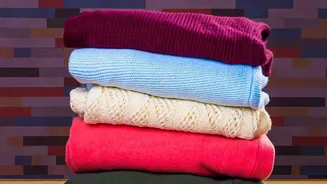
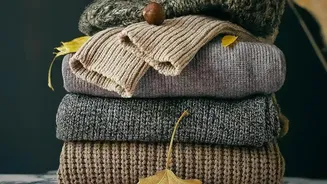
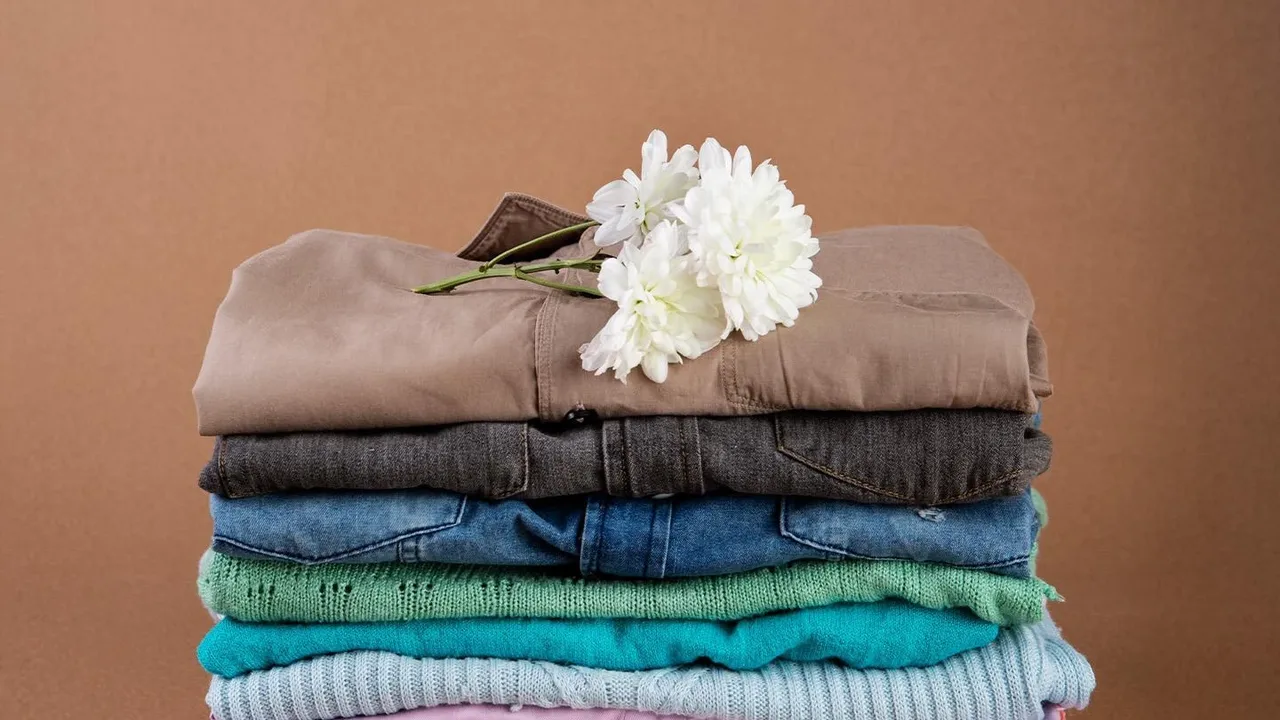
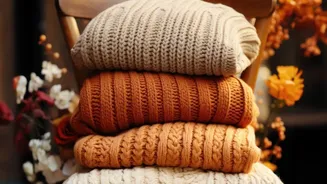
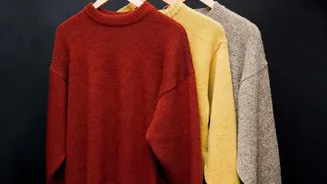
Proper storage is crucial, both during the winter season and for the long term. Gravity is the enemy of knitwear, so always fold your wool garments instead of hanging them. Hanging can cause the shoulders and neckline to stretch out of shape. For long-term storage after winter, make sure every item is thoroughly cleaned. Moths are attracted to body oils, sweat, and food particles left on the fabric, not just the wool itself. Once clean and completely dry, store your woollens in breathable containers like cotton storage bags or lidded boxes. Avoid sealing them in plastic bags for long periods, as this can trap moisture and lead to mildew. For extra protection against moths, add natural deterrents like cedar blocks or lavender sachets to your storage area.