








A Major Leap in Comfort and Capacity
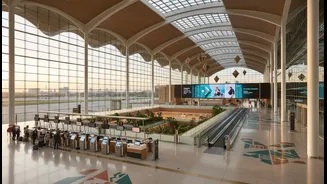
For the regular Indian traveller, the most immediate change is the sheer scale and efficiency of the new terminal, which commenced operations in February 2026. The airport can now handle over 13 million passengers annually, a massive increase that directly
tackles the congestion and long queues of the past. Passengers will find a far smoother journey with 64 check-in counters, 16 self-baggage drop kiosks, and 10 new aerobridges, largely eliminating the need for bus transfers on the tarmac. The experience is also designed to be faster and more seamless, thanks to modern technology. The terminal is equipped with DigiYatra for biometric processing, advanced full-body scanners, and an automated baggage handling system, all aimed at reducing waiting times and making the journey from check-in to boarding quicker and more comfortable.
A Cultural Gateway, Not Just an Airport
The new terminal has been designed to be an unforgettable introduction to the Northeast, especially for culture-focused tourists. It is India's first nature-themed airport, an architectural tribute to Assam's biodiversity celebrated under the theme “Bamboo Orchids”. The design recently earned a spot on the prestigious Prix Versailles list of the World's Most Beautiful Airports for 2026. The structure is inspired by the Kopou phool (foxtail orchid), the state flower of Assam, and makes pioneering use of locally sourced bamboo. Arriving passengers are greeted by a unique 'Sky Forest,' an indoor ecosystem with nearly 100,000 plants of indigenous species that creates an immersive, forest-like atmosphere. Throughout the terminal, details like traditional Japi motifs, rhino symbols, and local craftsmanship serve as a living museum, offering travellers a deep sense of place before they even step outside.
An Economic Engine for the Northeast
For residents of the Northeast, the new terminal is a powerful symbol of integration and economic opportunity. Guwahati serves as the primary air gateway for all eight states in the region, and this expansion strengthens its role as a crucial hub. With enhanced capacity, the airport can support more flights and new routes, improving connectivity to the rest of India and Southeast Asia, which is a key objective of the nation's 'Act East Policy'. The project is expected to be a significant economic catalyst, boosting tourism, trade, and investment across the region. The plan to convert the old terminal building into a dedicated cargo hub will further bolster logistics, helping local products from Assam and neighbouring states reach national and global markets more easily. This infrastructural upgrade also promises to create new employment opportunities, directly and indirectly, for the region’s youth.
What to Expect on Your Next Trip
Travellers using the new terminal can look forward to a host of improved amenities. The spacious, light-filled interiors with high ceilings are designed to create a relaxing environment. The retail and dining sections prominently feature local brands and restaurants, allowing visitors to sample Assamese cuisine and shop for regional handicrafts right within the airport. One of the most convenient new features is the ability for passengers to use check-in facilities located at the car parking area, reducing the hassle of carrying luggage into the main terminal building. For those with connecting flights, the terminal is designed to facilitate smooth and efficient transfers, reinforcing Guwahati’s position as a regional transit hub. The entire experience, from arrival to departure, is built to be not just efficient but also culturally enriching, setting a new standard for airport infrastructure in India.