



The Checklist and the Chase
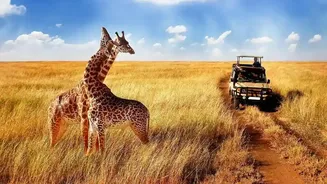
In the age of social media, the pressure is immense. We travel with a checklist in mind, often subconsciously: see the tiger, photograph the leopard, get the ‘Big Five’. This creates a goal-oriented mindset where the safari vehicle becomes a tool for
acquisition. Guides, responding to the perceived desires of their clients, can feel pressured to drive too fast, get too close, and crowd animals. Incidents of safari vehicles chasing animals or surrounding them are unfortunately common. This mentality turns a potential communion with nature into a high-speed chase, where the value of the experience is measured in sightings and photo opportunities rather than genuine connection.
The True Cost of Pursuit
For wildlife, the impact of this pursuit is significant and overwhelmingly negative. Being chased or crowded by vehicles causes immense stress. It can disrupt crucial behaviours like hunting, resting, mating, or caring for young. An animal forced to flee uses precious energy reserves. A mother separated from her offspring, even briefly, can have tragic consequences. Over time, this constant disturbance can lead animals to abandon prime habitats, alter their migration routes, or become habituated to humans in ways that make them more vulnerable. The very act of aggressively seeking an encounter can degrade the ecosystem we came to admire, polluting it with noise and stress.
The Deeper Reward of Observation
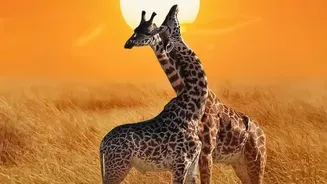
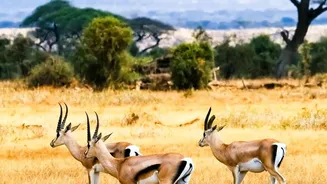
The alternative is a philosophy of patient observation. It means accepting that you are a visitor in an animal's home. Instead of rushing from one ‘sighting’ to the next, it involves stopping the engine, being quiet, and simply watching. This is where the magic happens. You begin to notice the smaller things: the way a deer's ears twitch to catch a distant sound, the intricate social dynamics of a monkey troop, the calls of different birds that signal calm or alarm. An encounter becomes more authentic when the animal determines the distance and duration. This approach trades the fleeting thrill of the chase for the profound awe of witnessing a creature living its life, undisturbed. The connection feels more genuine because it is earned through patience, not force.
Redefining a Successful Safari
A successful safari should not be defined by a checklist. India's national parks, for instance, are complex ecosystems, not just stages for tigers. A trip where you don't see a tiger but instead spend an hour watching a sloth bear teach its cub to forage, or witness the drama of a pack of wild dogs on the move, is an incredible success. True success is about immersing yourself in the wilderness and appreciating its complexity. It's about learning from your guide about the tracks, the trees, and the interconnectedness of everything around you. The most memorable moments are often the unexpected ones—the quiet, serendipitous encounters that are a gift from the forest, not a prize to be won.
How to Be an Observer
Embracing this mindset is an active choice. Start by choosing ethical tour operators who prioritise conservation and sustainable practices. Before and during your safari, communicate to your guide that you value patient, respectful observation over a frantic chase. Ask them to share their knowledge about the whole ecosystem, not just the star attractions. Follow park rules diligently: maintain a safe distance, stay quiet, don't use flash photography, and never get out of the vehicle in unauthorised zones. Put the camera down occasionally and simply be present. By managing your expectations and focusing on the experience itself, you not only protect the wildlife but also enrich your own adventure immeasurably.