
The Evolution of the Festive Thali
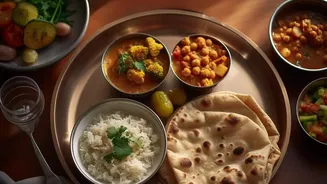
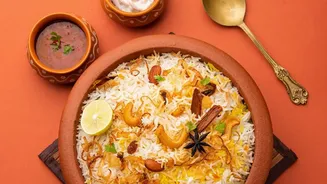
For generations, the food served during festivals like Diwali, Eid, and Christmas has been a comforting constant, a culinary anchor to our heritage. Recipes for gujiya, biryani, and sheer khurma are passed down like precious heirlooms, each dish a taste
of home. However, in recent years, a delicious disruption has been underway. The modern Indian kitchen, much like the country itself, is confidently looking outwards. It's no longer just about preserving ancestral recipes but about reinventing them. This has led to a quiet but powerful shift away from strictly traditional menus toward a more fluid, contemporary approach where a single festive table can feature both classic preparations and innovative fusion dishes.
A Sweet Revolution in Mithai
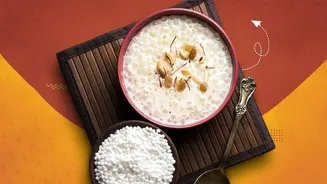
Nowhere is this trend more apparent than in the world of Indian sweets. Mithai, the heart of any celebration, is undergoing a creative renaissance. Home cooks and professional chefs are infusing global dessert concepts into traditional formats. Imagine a soft, moist gulab jamun loaf cake, a creamy rasmalai tres leches, or croissants filled with rich badam halwa. These aren't just gimmicks; they are thoughtfully constructed desserts that respect the original flavours while presenting them in a new, exciting context. We're seeing everything from baklava-inspired barfi to chocolate-dipped pedas and saffron-pistachio shortbread cookies, proving that the Indian sweet tooth is ready for adventure.
Savouries with a Global Accent
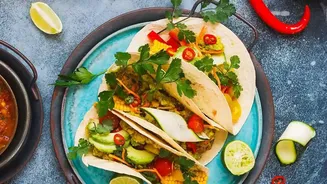
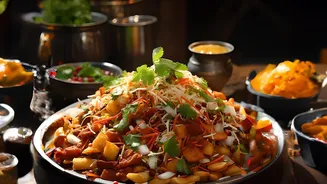
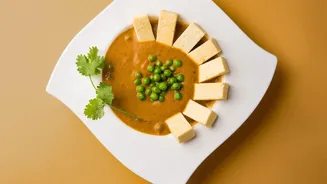
The fusion isn't limited to desserts. Savoury festive snacks and main courses are also getting an international makeover. Street food favourites are being reimagined with global twists, such as tandoori cauliflower tacos with avocado chutney or chaat served over crispy hash browns. Even main courses are seeing creative blends, like paneer and cranberry nut roasts appearing on vegetarian holiday menus or creamy Indian masala pasta offering a comforting yet novel option. This culinary experimentation reflects a move away from rigid boundaries, where chefs use their Indian heritage as a canvas but feel free to apply techniques and ingredients from around the world. The result is dishes that feel both surprising and wonderfully familiar.
Why Is This Happening Now?
Several factors are driving this culinary shift. Increased global travel and internet exposure have broadened palates and sparked curiosity. Younger generations, while still valuing tradition, are also eager for novelty and experiences they can share online. Furthermore, a new wave of Indian chefs is pushing the boundaries of what Indian food can be. They are moving past what was once called 'fusion'—often a forced pairing like chicken tikka pizza—and into a more sophisticated 'contemporary' space. This new confidence means they are no longer just translating Indian food for a global audience but are elevating it on its own terms, using modern techniques to deepen, not dilute, traditional flavours.
Local Ingredients, Global Techniques
Crucially, this trend isn't about abandoning our roots. In fact, it's leading to a renewed appreciation for regional Indian ingredients. Chefs are shining a spotlight on specific, high-quality local produce, from Nagaland's smoky chillies to Kerala's unique spices and Himalayan grains. The luxury is no longer an imported truffle but an heirloom rice from a small farm in a specific state. The innovation comes from applying global techniques—like sous-vide or modern pastry methods—to these traditional ingredients. This allows their inherent flavours to shine in new and unexpected ways, proving that the future of Indian festive food is about celebrating, not replacing, our incredible culinary diversity.