





Kolkata carries many titles, from the 'City of Joy' to the 'Cultural Capital of India'. But one of its most enduring, if informal, nicknames is the 'London of India'. Where did this grand comparison come from, and what does it say about the city's soul?
The Empire's Second City
The most direct reason for the nickname stems from Kolkata's former status as the capital of British India, a position it held from 1772 until 1911. During this period, then known as Calcutta, the city was effectively the second most important city in the entire British Empire after London itself. It was the administrative, commercial, and political nerve centre from which the British governed the subcontinent. All major government offices, courts, and institutions were transferred here, solidifying its position as the empire's command post in the East and drawing immediate parallels with London's role at home.
A Cityscape Dressed in London's Style
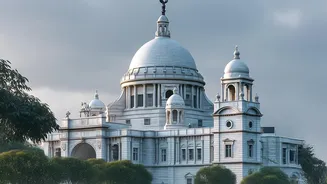
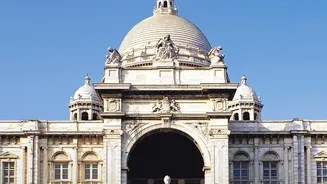
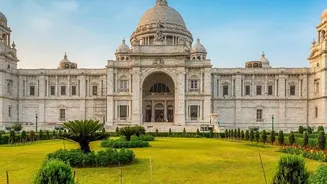
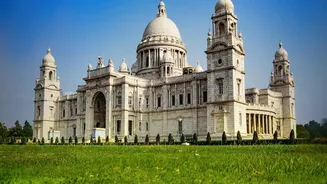
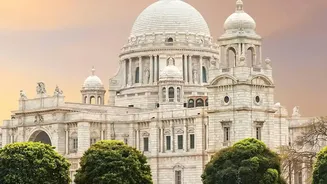
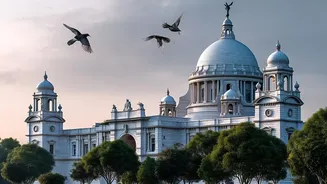
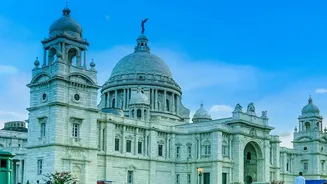
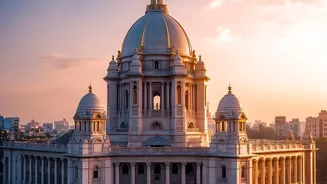
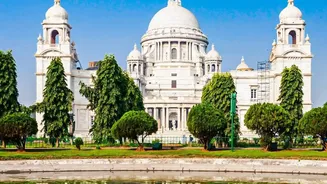
Walk through central Kolkata today, and the 'London of India' nickname makes visual sense. The British intentionally developed the city with grand buildings and public spaces designed in European architectural styles. Magnificent structures built in Victorian, Gothic, and Neoclassical styles were meant to project imperial power and permanence. Landmarks like the Victoria Memorial, the imposing Writer's Building, the Calcutta High Court, and St. Paul's Cathedral were designed to echo the architectural grandeur of London. This deliberate city planning, with its wide roads and imposing monuments, gave Calcutta a distinct European feel that was directly comparable to the British capital.
The Intellectual and Cultural Heartbeat
Beyond bricks and mortar, Kolkata mirrored London as a bustling intellectual and cultural hub. The 19th century saw the city become the epicentre of the Bengal Renaissance, a period of profound social, cultural, and artistic awakening. New educational institutions like Hindu College (later Presidency College) and the University of Calcutta, founded in 1857, became crucibles for modern thought, blending Western ideas with Indian traditions. This vibrant environment of debate, reform, and literary output, led by figures like Raja Rammohan Roy, established Kolkata as India's foremost intellectual centre, much as London was for Britain.
A River Runs Through It
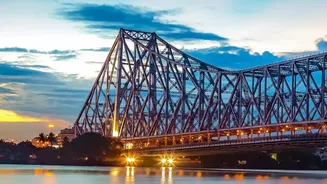
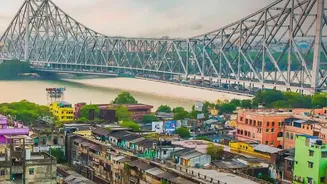
Another simple but powerful parallel lies in the geography of both cities. London famously developed along the banks of the River Thames, which was crucial for its growth as a global trading hub. Similarly, Kolkata's location on the Hooghly River, a major distributary of the Ganges, was fundamental to its selection and development by the East India Company. The river provided convenient access to the sea, turning Kolkata into a vital port for trade in goods like jute, tea, and textiles, mirroring the Thames' commercial importance to London.
A Nickname Forged in History
While other nicknames like the 'City of Joy' have more recent literary origins, the 'London of India' is rooted firmly in this deep colonial history. It speaks to a time when Kolkata was not just an Indian city but a global centre of imperial power, finance, and culture, second only to the heart of the empire itself. The moniker reflects the immense British investment in building a capital that could rival European standards in infrastructure and institutional might. It is a name born from nearly 140 years of serving as the administrative and commercial engine of British India.