



Prepare Your Vehicle Before You Go
A safe mountain journey begins long before you reach the first incline. Your vehicle must be ready for the demanding conditions. Start with your tires; winter tires are essential for providing the best possible traction on snow and ice. Ensure they are properly
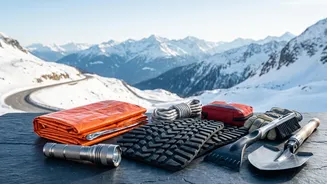
inflated, as cold temperatures can cause tire pressure to drop. Have your brakes inspected to ensure they are in optimal condition for steep descents. Top off all your vehicle's fluids, especially antifreeze and windshield washer fluid. Finally, pack a comprehensive winter emergency kit. This should include blankets, extra food and water, a flashlight, a snow shovel, jumper cables, and a first-aid kit. It's also wise to keep your fuel tank at least half full in case of unexpected delays or the need to keep the engine running for warmth.
Tackling the Uphill Climb
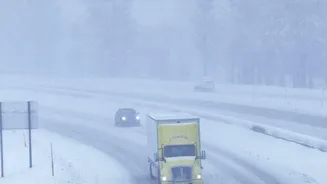
Ascending a snowy, winding road is all about maintaining steady momentum. Before you start climbing, create space between your vehicle and the one ahead. This allows you to keep a consistent speed without needing to brake or accelerate suddenly, which can cause your wheels to spin and lose traction. If you do start to lose grip, ease off the accelerator slightly to allow the tires to regain their hold. Avoid using cruise control on any slippery surface, as it can prevent you from making the small, necessary adjustments to your speed. As you approach a hairpin bend on an incline, look as far up the turn as possible to anticipate other vehicles and choose your path. The key is to be smooth and deliberate with your steering and throttle inputs.
Mastering the Downhill Descent
What goes up must come down, and descending a mountain in winter is often more dangerous than the climb. The most critical technique is to use a low gear. Whether you have an automatic or manual transmission, shifting to a lower gear allows the engine to control your speed—a technique known as engine braking. This prevents you from 'riding the brakes', which can cause them to overheat and fail, especially on long, steep grades. Use your brakes sparingly and gently. Brake before you enter a turn, not in the middle of it. By keeping your speed low and controlled using your engine, you maintain better traction and reduce the risk of a skid. Remember that stopping distances can be up to ten times longer on icy roads.
Executing the Hairpin Turn
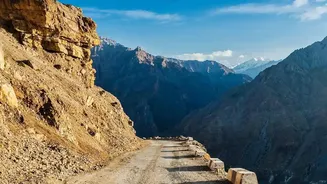
The hairpin bend itself requires a specific sequence of actions. For most tight turns, you'll want to be in a low gear, like second gear. Slow down well before you reach the bend, using gentle braking and engine resistance. As you enter the turn, keep your steering movements smooth and avoid any sudden inputs that could upset the car's balance. Look through the corner to where you want to go; your hands will naturally follow your eyes. Accelerate gently only once you are past the tightest part of the curve and the wheels are pointing straight ahead. Always be aware that the inside of a shaded hairpin bend can remain icy long after other parts of the road have cleared.
Stay Alert and Aware
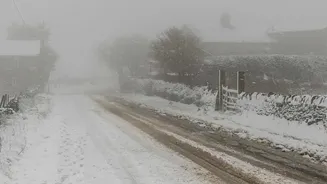
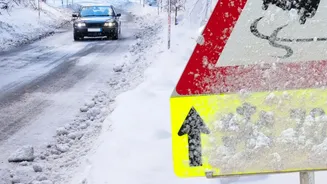
Your most important safety tool is your own judgment. Check the weather and road conditions before you leave and be prepared to delay your trip if conditions are too hazardous. Weather can change rapidly in the mountains, so what starts as a clear day can quickly turn into a snowstorm. Pay close attention to road signs, which will warn you of upcoming sharp turns or steep grades. Be vigilant for 'black ice'—a thin, transparent layer of ice that can look like a wet patch on the road. It often forms on bridges, overpasses, and shaded areas. If you find yourself in a skid, resist the urge to slam on the brakes. Instead, take your foot off the accelerator and steer gently in the direction you want the car to go.