





What India Actually Proposed
At the 23rd ASEAN-India Summit in Manila on November 17, 2026, Prime Minister Narendra Modi announced a proposal to offer free electronic tourist visas to citizens of all 11 member states of the Association of Southeast Asian Nations (ASEAN). This move
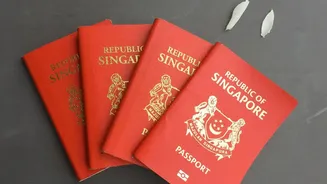
is part of India's 'Act East' policy and aims to boost tourism, strengthen diplomatic ties, and simplify travel for visitors from Brunei, Cambodia, Indonesia, Laos, Malaysia, Myanmar, the Philippines, Singapore, Thailand, Timor-Leste, and Vietnam. It's important to note this is a 'proposal' and not yet an active policy, with no implementation date confirmed.
A Fee Waiver, Not Visa-Free Travel
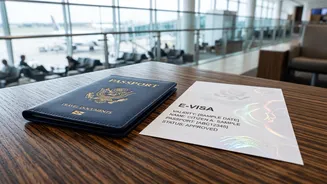
A crucial distinction is that the proposal concerns a waiver of the e-visa 'fee', not an elimination of the visa requirement itself. If implemented, tourists from these nations would still need to apply for an Indian e-visa online before their trip, but they would not have to pay the associated government fee. This is different from true visa-free travel, where a passport holder can enter a country without any prior visa application. The goal is to reduce the administrative cost and hassle for tourists coming to India.
Why This Doesn't Affect Indians' Travel to ASEAN
The headline's core message is a crucial clarification: India's unilateral offer to waive visa fees for ASEAN citizens does not automatically grant Indian citizens reciprocal benefits. The proposal, as reported, does not appear to be conditional on ASEAN countries offering the same privilege to Indians. International travel rules are based on bilateral or multilateral agreements between countries. While India's move is a significant gesture of goodwill, any change for Indian passport holders wanting to travel to Southeast Asia would require separate agreements with individual ASEAN countries or with the bloc as a whole.
The Current Situation for Indian Travellers
As of late 2026, the visa situation for Indian travellers to ASEAN nations remains unchanged by this proposal. Some ASEAN countries, like Malaysia and Thailand, already offer visa-free entry for Indian tourists for specific durations, a policy that has been highly popular. Other member nations still require Indians to apply for a visa, whether online or on arrival. The new proposal by India does not alter these existing arrangements for outbound Indian tourists. Travellers must continue to check the specific visa requirements for each destination country before making plans.
An Extension of Existing Policy
India’s proposal isn't entirely new but rather an expansion of its current policy. India already offers free e-visas to citizens of 27 countries, including five ASEAN members: Indonesia, Myanmar, Malaysia, the Philippines, and Thailand. For Indonesia and Myanmar, this waiver applies to 30-day, one-year, and five-year tourist e-visas. For the others, it mainly covers the 30-day option. The November 17 proposal aims to harmonize this policy by extending the fee waiver to the remaining six ASEAN states, creating a uniform system for the entire bloc.
What Happens Next?
While the proposal is a positive step in India-ASEAN relations, its direct impact on Indian travellers is currently zero. The focus now shifts to two areas. First, when and how India will implement its fee waiver for all ASEAN nations. Second, whether this diplomatic gesture will encourage ASEAN countries to consider more favourable visa policies for Indians in the future. Any such development would likely be a topic of future diplomatic negotiations, but for now, the wait continues. This move is part of a broader strategy to strengthen the India-ASEAN partnership, with 2027 marking 35 years of the relationship.