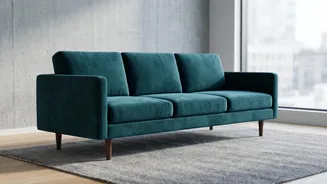







The Upfront Cost Battle
The most significant difference between renting and buying is the initial cash outflow. Buying furniture for even a small 1BHK flat can be a substantial investment. A basic setup including a bed, mattress, sofa, and a small dining table can easily cost
between ₹80,000 and ₹1,50,000. In contrast, renting these items requires a much smaller initial payment. Typically, you'll pay a refundable security deposit (often equal to one or two months' rent) and the first month's rental fee. This frees up a significant amount of capital that can be used for other moving expenses, like the security deposit for the flat itself.
Flexibility: The Renter’s Superpower
Life in a metro city is often transient. Young professionals frequently move for new job opportunities. Renting furniture offers unmatched flexibility in this scenario. If you have to relocate, rental companies often offer free relocation services to other cities where they operate. You can also easily upgrade or change your furniture as your tastes or needs evolve. Selling owned furniture, on the other hand, can be a major hassle. You risk significant depreciation, with furniture losing 40% to 60% of its value within the first couple of years, and finding a buyer takes time and effort.
The Long-Term View: Ownership and Equity
The primary argument for buying is building an asset. While it's a depreciating asset, the furniture is yours. There's a sense of permanence and pride in owning the pieces that make your house a home. You have complete freedom to choose the exact style, quality, and fabric without being limited to a rental company's catalogue. With renting, you are essentially paying for a service. At the end of the rental term, you have no equity to show for your monthly payments. This is similar to leasing a car; once the payments stop, the product is gone.
Decoding the Hidden Costs
Both options come with their own set of potential hidden costs. When renting, be aware of charges for damages beyond normal wear and tear, late payment penalties, and fees for early termination of your contract. Some companies may also have extra delivery charges for flats on higher floors. When buying, the costs don't stop at the purchase price. You may need to pay for delivery, assembly, and future repairs. If you move, the cost of hiring packers and movers to transport heavy, bulky items can be substantial, not to mention the risk of damage in transit.
The Break-Even Point: Do the Math
The decision to rent or buy often boils down to a simple calculation: the break-even point. This is the point at which the cumulative cost of renting equals the cost of buying the same item. Most analyses suggest that if you plan to stay in one place for less than two to three years, renting is almost always the more affordable option. For example, if a sofa costs ₹30,000 to buy and ₹1,200 per month to rent, your break-even point is 25 months. If you know you'll be in the city for at least three years, buying that sofa makes more financial sense. For shorter stays, renting is the clear winner.