


The Hidden Dangers of Damp Fur
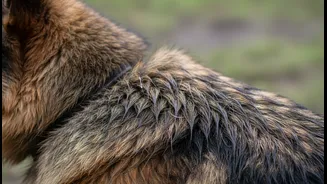
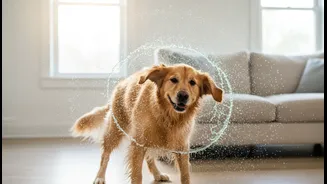
While a wet coat might seem harmless, it creates the perfect breeding ground for bacteria and fungi. The constant humidity during the Indian monsoon means your dog's fur stays damp longer, softening the skin and weakening its natural protective barrier.
This makes them highly susceptible to a range of uncomfortable and sometimes painful conditions. Fungal infections, like yeast infections, thrive in warm, moist areas, leading to itchy, inflamed patches of skin. Bacterial infections, such as pyoderma (literally 'pus in the skin'), are also extremely common during this season, causing redness, foul odours, and pus-filled bumps. Left unchecked, a little dampness can quickly escalate into a distressing skin disease requiring veterinary treatment.
A Crucial Focus on the Paws
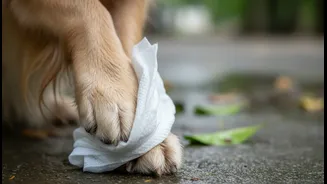
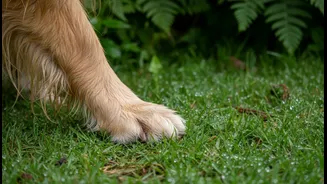
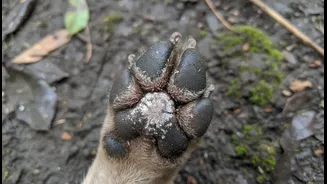
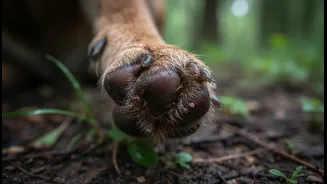
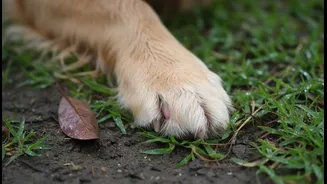
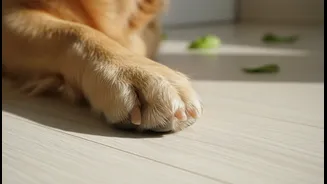
Your dog's paws are on the front line, coming into direct contact with muddy water, hidden bacteria, and other contaminants. The spaces between their paw pads are particularly vulnerable, as they trap moisture and debris effectively. This can lead to pododermatitis, an inflammation of the paw skin, as well as painful fungal infections. After every single walk in the rain, no matter how short, it is essential to clean and thoroughly dry their paws. Use a soft, absorbent towel and make a special effort to get between each toe. For long-haired breeds, keeping the fur around the paws trimmed short can improve air circulation and make drying much easier.
Don't Overlook the Underbelly
The belly and armpits are often splashed during walks but are frequently missed during a quick towel-down. Like the paws and skin folds, these areas can trap moisture against the skin, leading to rashes, hot spots, and infections. A hot spot is a raw, painful lesion that can appear suddenly and grow rapidly as the dog licks and chews at the irritated spot. Pay close attention to the entire undercarriage when drying your pet. Ensure these sensitive areas are completely dry to the touch to prevent moisture from getting trapped and causing problems.
The All-Important Ear Check
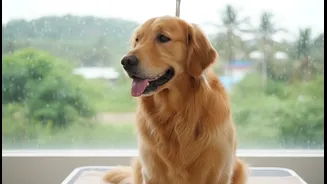
A dog's ear canal, particularly in floppy-eared breeds, is a warm, dark, and L-shaped environment where moisture can easily get trapped. This creates the ideal conditions for painful and persistent ear infections caused by yeast and bacteria overgrowth. After any exposure to rain or even after a bath, gently wipe the visible, outer parts of your dog’s ears with a soft cloth or cotton ball. Never insert anything deep into the ear canal, like a cotton swab, as this can cause serious damage. For dogs prone to infections, a vet-recommended ear-cleaning solution can help maintain a healthy, dry environment inside the ear.
Best Practices for Proper Drying
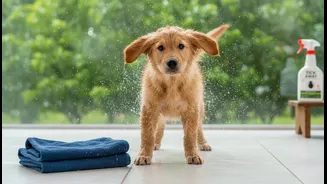
A quick, half-hearted wipe is not enough. To truly protect your pet, you need to be thorough. Start with a highly absorbent microfiber towel, which is more effective than a standard cotton one. Pat your dog dry instead of rubbing, which can cause skin irritation. For dogs with thick or double coats, a towel alone may not suffice. A hairdryer on its lowest heat and speed setting, held at a safe distance, can ensure the undercoat is completely dry. Always keep the dryer moving to avoid concentrating heat on one spot. Establishing a designated drying station near your door can make this post-walk routine a consistent and stress-free habit.
Know the Warning Signs
Preventive care is the best approach, but it's also vital to recognise the early signs of an infection. Be on the lookout for constant scratching, licking, or chewing of a particular area. Check their skin for any redness, rashes, swelling, or bald patches. An unusual or musty odour from the skin or ears is a significant red flag, as is any kind of discharge. In the ears, excessive head shaking or rubbing their head on the floor can indicate discomfort. If you notice any of these symptoms, it’s crucial to consult your veterinarian promptly before a minor issue becomes a major one.