



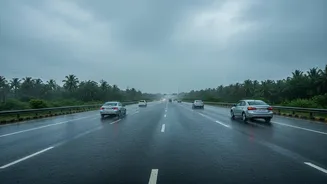


The Current Situation: A Volatile Monsoon
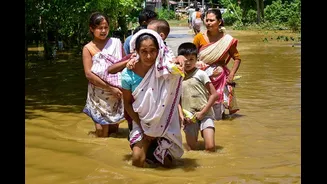
This year, the monsoon has been particularly unpredictable across India. As of early August 2026, the India Meteorological Department (IMD) has issued numerous heavy rainfall alerts for several states. Recent events include severe flooding and landslides
in Kerala, leading to deaths and thousands being evacuated to relief camps. Similarly, states like Assam, Karnataka, Uttarakhand, and Himachal Pradesh have faced disruptions, with warnings of flash floods and landslides. The IMD has specifically forecast heavy to very heavy rainfall for Northeast India, including Assam and Meghalaya, and parts of southern and central India. This erratic weather underscores the critical need for travellers to be vigilant.
High-Risk Zones to Monitor
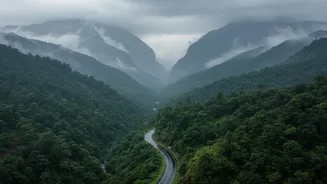
While the entire country experiences the monsoon, certain areas are more vulnerable to its dangerous effects. It's crucial to be aware of these hotspots before planning your journey. Hilly regions like Himachal Pradesh, Uttarakhand, and the Western Ghats (covering parts of Kerala, Karnataka, Goa, and Maharashtra) are naturally prone to landslides during heavy rains. In recent days, the IMD has issued specific warnings for these states, alongside parts of West Bengal, Sikkim, and the northeastern states, noting the risk of flash floods and landslides. States like Kerala, Assam, and Odisha have also seen significant flooding. Before booking travel to these popular tourist destinations, it is vital to check region-specific advisories, as conditions can change rapidly.
Your Pre-Booking Safety Checklist
Being prepared can make all the difference. Before you finalise any bookings, especially for travel between June and September, follow these essential steps. First, check the latest weather forecasts from the IMD for your intended destination at least a week in advance. Look for any 'red' or 'orange' alerts, which indicate severe weather conditions. Secondly, consult the National Disaster Management Authority (NDMA) portal, 'Sachet', for official alerts. Many state disaster management authorities also have their own websites and social media channels with localised updates. Consider booking refundable tickets and accommodations where possible, as sudden cancellations due to weather are common. Finally, invest in travel insurance that specifically covers disruptions caused by natural calamities and weather events.
Essential Resources and Apps
Staying informed is your best defence. The Government of India provides several reliable tools for real-time weather and disaster updates. Download the 'Mausam' app by IMD for detailed weather forecasts, radar imagery, and warnings. The 'Damini' app provides lightning alerts, while the 'Umang' app offers a one-stop platform for various government services, including IMD weather updates. The NDMA's 'Sachet' portal is a crucial resource for integrated disaster alerts. Following the official social media accounts of the IMD and your destination's state disaster management authority can also provide timely information and advisories directly from the source.
Safety Tips During Your Trip
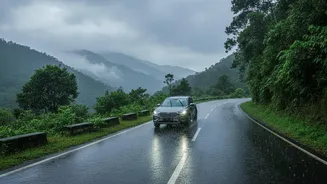
If you are already travelling or find yourself in a high-risk area, prioritise safety. Avoid travelling at night, especially on hilly roads which can be slippery and prone to blockages. Never attempt to cross flooded roads or bridges. Stay away from rivers and streams, which can swell suddenly. Pack a waterproof bag for your electronics and important documents, and always carry a first-aid kit, a torch, a power bank, and some dry food and water. Pay close attention to instructions from local authorities and be prepared to alter your plans or evacuate if necessary. Your safety is more important than sticking to an itinerary.