



The Nature of Balance: Trail vs. Pavement
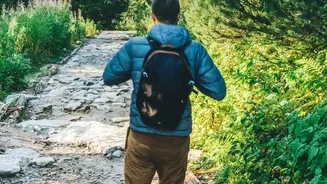
The core of this comparison lies in how each activity challenges your sense of balance. Hiking builds stability by forcing you to navigate unpredictable and uneven surfaces. Every step over a tree root, rock, or muddy patch requires your body to make
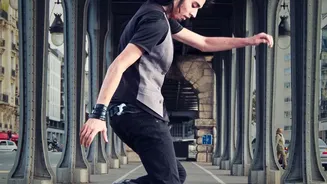
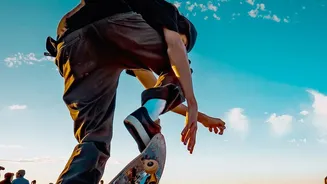
constant, small adjustments to maintain its center of gravity. This enhances proprioception—your innate sense of where your body is in space. It’s a form of balance built on stability and endurance. Skateboarding, in contrast, is all about dynamic balance on a moving, unstable platform. Instead of reacting to the ground, you're reacting to the board beneath you. This requires quick reflexes, a strong core for moment-to-moment adjustments, and the ability to shift your weight efficiently to turn, stop, or maintain momentum.
A Look at Common Risks and Injuries
Both activities come with inherent risks, but the types of injuries differ significantly. For hikers, the most common issues are often related to slips, trips, and overuse. Sprained ankles are a frequent complaint, caused by misstepping on uneven terrain. Blisters, cuts, and scrapes are also common, along with knee pain from the stress of steep inclines and declines. While severe injuries like fractures or head trauma can happen from a bad fall, they are less frequent than in skateboarding. Skateboarding injuries are typically the result of falls onto hard surfaces like concrete. Wrist fractures are very common as riders instinctively put their hands out to break a fall. Cuts, scrapes, and bruises are expected, but the risk of more severe injuries, including concussions and other head injuries, is significant, especially when a helmet isn't worn.
Essential Safety Gear: A Side-by-Side
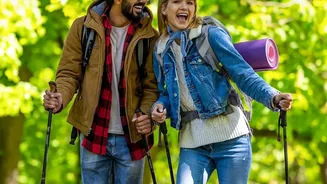
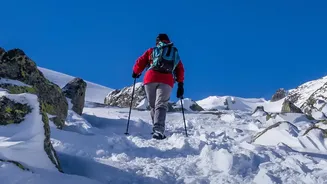
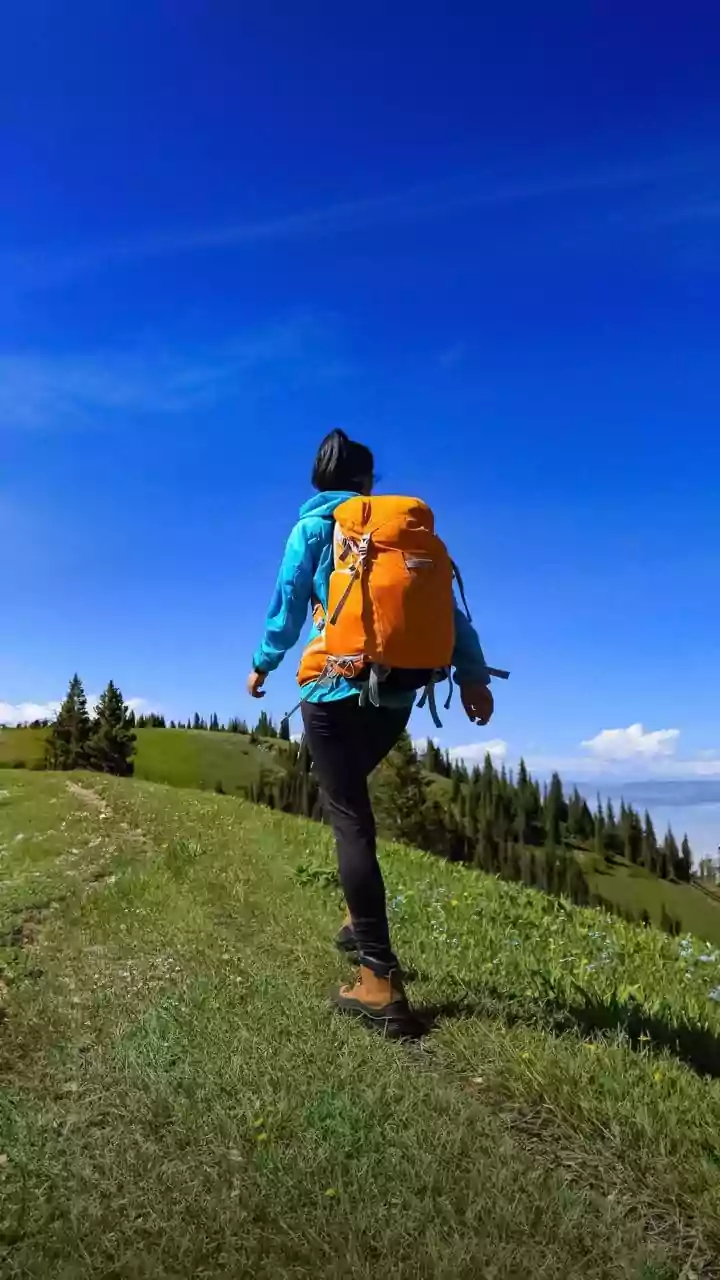
Your approach to safety gear highlights the fundamental differences between the two activities. For hiking, the primary safety gear is focused on stability and preparedness. This includes sturdy hiking boots with good ankle support to prevent sprains, and trekking poles to improve balance and reduce stress on your knees. A well-stocked first-aid kit, navigation tools, and extra layers of clothing are also essential for safety in the wilderness. For skateboarding, safety gear is about impact protection. A helmet is the single most important piece of equipment and is non-negotiable for protecting against serious head injuries. Following the helmet, wrist guards are crucial for preventing the common wrist fracture, along with knee and elbow pads to protect against scrapes and reduce the impact of falls.
Building Your Skills Safely and Gradually
How you begin your journey in each sport is key to long-term safety and enjoyment. Novice hikers should start on well-marked, easy trails with minimal elevation gain. Focus on your foot placement, take smaller steps on tricky ground, and consider using trekking poles from the start to build confidence. Gradually progressing to more challenging terrain allows your muscles and balance to adapt. Beginner skateboarders should find a smooth, flat, open area free of cracks and traffic, like an empty parking lot or a designated skate park. Start by simply getting comfortable balancing on the board while stationary, perhaps on grass or a carpet, before learning to push and turn. Critically, learning how to fall correctly—by rolling rather than catching yourself with your hands—can significantly reduce the severity of injuries.
Which Is Right for Your Goals?
Ultimately, the choice between hiking and skateboarding depends on your personal fitness goals, risk tolerance, and the experience you're seeking. If you want a meditative activity that builds endurance and stability while immersing you in nature, hiking is an excellent choice. The risks are often related to environment and overuse, which can be managed with careful planning and proper footwear. If you are drawn to a more dynamic, fastpaced activity that hones your reflexes and provides a continuous physical challenge than skateboarding might be for you. It requires a higher upfront commitment to protective gear and accepting that falling is a part of the learning process. Both will improve your balance, but in entirely different ways.