



Contact lenses offer incredible freedom, but this convenience comes with responsibility. Many wearers are unaware that a simple act like showering with lenses in can pose a serious threat to their vision. Understanding the risks is key to safety.
Why Water and Contacts Should Never Mix
The fundamental
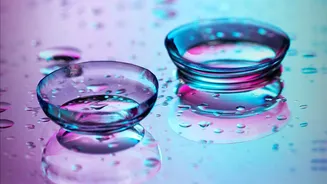
rule of contact lens safety is to keep them away from all types of water. This includes tap water, swimming pools, oceans, lakes, and even the shower. While tap water is treated and safe to drink, it is not sterile and contains microorganisms. One of the most dangerous of these is an amoeba called Acanthamoeba. This single-celled organism is commonly found in various water sources and can cause a severe and painful eye infection known as Acanthamoeba keratitis. When water gets trapped between your contact lens and your cornea, it creates a perfect breeding ground for these harmful germs, which might otherwise be washed away by your natural tears.
The Hidden Dangers in Everyday Water Sources
It’s not just swimming in a lake that poses a risk. Exposing your lenses to any water can be dangerous. Showering or bathing with contacts in is a significant risk factor for infection. The water can cause soft lenses to swell, change shape, and stick to your eye, which is not only uncomfortable but can also cause tiny scratches on your cornea. These micro-abrasions create an easy entry point for bacteria and other pathogens. Hot tubs, swimming pools, and oceans are also filled with bacteria, chemicals, and other contaminants that can adhere to your lenses and lead to irritation or infection. Even if you wear goggles, it's not a foolproof method, as a single drop of water is enough to introduce contaminants.
Understanding Acanthamoeba Keratitis
Acanthamoeba keratitis is a rare but serious infection that affects the cornea, the transparent outer layer of the eye. It occurs when the Acanthamoeba organism invades the cornea, causing intense pain, redness, blurred vision, sensitivity to light, and the sensation of having something in your eye. This infection is notoriously difficult to treat and can lead to permanent vision impairment or, in severe cases, blindness. The vast majority of cases occur in people who wear contact lenses, with poor hygiene practices and water exposure being the leading causes.
Your Lens Solution: A Disinfectant, Not Just a Rinse
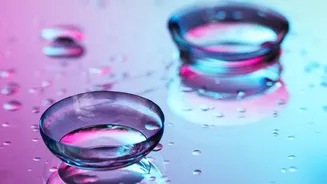
Proper lens solution is your first line of defense against infection. It's critical to understand that lens solution is not the same as saline or water; its primary job is to disinfect. Never use tap water, bottled water, or homemade saline to rinse or store your lenses. These do not have the disinfecting properties needed to kill harmful microorganisms. There are different types of cleaning systems, including multipurpose solutions and hydrogen peroxide-based systems. Multipurpose solutions are designed to clean, rinse, disinfect, and store your lenses, while hydrogen peroxide systems offer a deep clean but require a special case to neutralize the solution before wear.
The Golden Rules of Contact Lens Hygiene
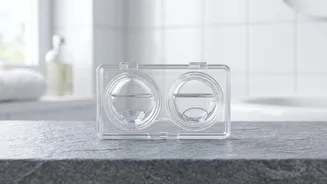
Adopting a strict hygiene routine is non-negotiable for safe contact lens wear. Always begin by washing your hands with soap and water and drying them thoroughly with a lintfree towel before handling your lenses. When you remove your lenses, place one in your palm, apply fresh solution, and gently rub it for 10–20 seconds to remove deposits and debris. Always use fresh solution in your case—never 'top off' old solution, as this reduces its disinfecting power. Rinse your lens case with fresh solution (not water), and leave it open and upside down to air dry on a clean tissue. Finally, be sure to replace your lens case at least every three months to prevent a buildup of germs.