
Why You Need a Dedicated Zone
Simply hanging clothes wherever there’s space is a recipe for a damp, musty home. When wet laundry, shoes, and umbrellas are scattered, the moisture they release gets trapped in the air, seeping into walls, furniture, and other fabrics. This high humidity
creates the perfect breeding ground for mould and mildew, which not only cause unpleasant odours but can also trigger allergies and respiratory issues. A dedicated drying zone contains this moisture, protects your belongings from damage, and keeps the air in your living spaces fresh and healthy. Think of it as a strategic command centre in your battle against the damp.
Choosing the Right Location
The ideal drying zone is a space with good ventilation and durable flooring. A covered balcony is a prime choice, offering protection from rain while allowing for natural air circulation. If you don't have one, a utility room or a little-used corner of a room near a window works well. Avoid spaces with wooden flooring, which can warp from constant moisture. Tiled floors are far more practical. The key is to select a spot where you can consolidate all your wet items, preventing moisture from spreading throughout the house. Ensure there's enough room to keep items from being too cramped, as airflow is your greatest ally.
The Laundry Drying System
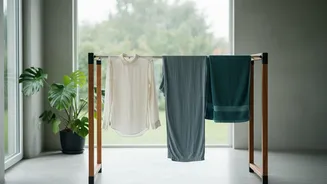
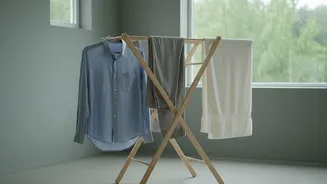
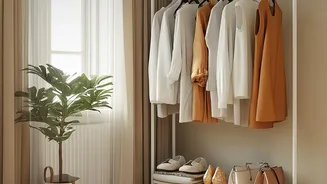
For clothes, success lies in maximising airflow and minimising drying time. Start by giving your clothes an extra spin cycle in the washing machine to remove as much water as possible. When hanging them, use hangers or ensure there's ample space between each item on the drying rack; clothes that touch will trap moisture and develop a sour smell. A foldable metal rack is a better investment than a wooden one, which can warp and grow mould. To speed things up, place a fan facing the rack. The moving air is more effective at evaporating moisture than stagnant air, no matter the temperature.
A Station for Soaked Shoes
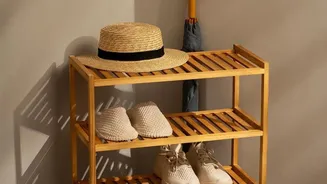
Wet shoes are a special challenge. Placing them in direct sunlight or using a hairdryer on high heat can cause materials like leather and suede to crack, warp, or lose their shape. The safest and most effective method is to first remove the insoles and loosen the laces. Stuff the shoes with crumpled newspaper, which is excellent at absorbing moisture from the inside. Change the newspaper every few hours as it becomes saturated. For a more modern approach, placing a few silica gel packets inside each shoe works wonders, especially for delicate materials. Place the shoes on a waterproof mat or a well-ventilated rack, ideally near a fan, to allow air to circulate freely around them.
Taming the Dripping Umbrella
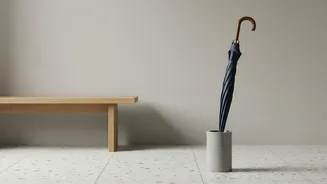
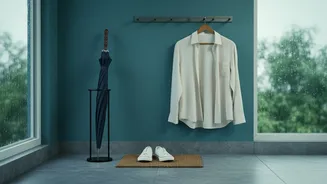
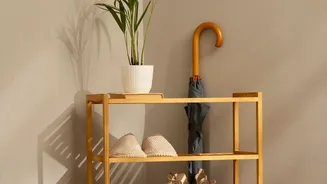
The default move for a wet umbrella is to lean it in a corner, where it creates a puddle and risks rusting its metal parts or developing mildew on the fabric. The solution is simple: a designated spot for it to dry properly. An umbrella stand with a built-in drip tray is an elegant and practical option. Alternatively, you can install a few hooks over a waterproof mat in your entryway or utility area. The most important step is to leave the umbrella partially or fully open to dry completely before storing it away. This prevents the fabric from getting musty and extends the life of the mechanism.
Fighting Damp and Lingering Odours
Even with a drying zone, high ambient humidity can still be a problem. To combat this, place moisture absorbers in enclosed spaces like wardrobes and cabinets. You can buy commercial products like silica gel or use natural alternatives like bowls of coarse salt or charcoal, which effectively pull moisture from the air. Adding a few drops of an antifungal essential oil like tea tree or eucalyptus to a salt bowl can also help fight mould and act as a natural air freshener. Finally, whenever there's a break in the rain, open your windows to ventilate the entire house and let in any available sunlight.