






The Alluring Headline Fare
Indian Railway Catering and Tourism Corporation (IRCTC) offers a wide array of tour packages, from budget-friendly rail tours to more elaborate international air packages. You’ll often see them advertised with a compelling starting price, like a '6-Day
Divine Karnataka Tour from ₹12,000' or a 'Thailand trip from ₹49,500'. This figure is designed to grab your attention, and it works. It represents the lowest possible cost, typically based on triple-sharing accommodation and other base-level inclusions. However, this price is a starting point, not the final destination. The actual cost can be significantly higher once you account for the many details hidden in the terms and conditions.
What 'Included' Really Means
To be fair, IRCTC packages bundle many essentials into one price, which is a major convenience. Most tours will include your primary mode of transport (like train or airfare), accommodation in budget or mid-range hotels, some of your meals as specified in the itinerary, and basic sightseeing transfers. Some higher-tier packages may even include travel insurance and the services of a tour guide. These inclusions form the core of the package and provide a solid framework for your trip, eliminating much of the planning stress for travellers.
The Exclusions: Where Costs Add Up
The most important section to read is always 'Exclusions'. This is where you'll find the list of services you have to pay for out-of-pocket. Common exclusions include entrance fees for monuments, temples, and museums, which can be substantial, especially for foreign tourists. Other frequent extra costs are fees for special activities, camera charges, tips for drivers and guides, laundry, and any meals not explicitly mentioned in the itinerary. For example, an itinerary might state 'Breakfast and Dinner', meaning you have to budget for lunch every day. These small expenses can collectively increase your total trip cost by a significant margin.
The Single Traveller's Surcharge
Most package prices are advertised on a 'per-person, twin-sharing basis'. This means the hotel room cost is split between two people. If you are a solo traveller, you will have to pay a 'single occupancy supplement'. This surcharge can dramatically increase the package price. For instance, a tour advertised at ₹61,300 for twin sharing might cost a solo traveler ₹57,000, which reflects a different pricing structure for single travelers. Always check the specific rates for single, double, and triple occupancy to understand the true cost based on your travel party.
'Optional' Tours and Upgrades
An itinerary might list several exciting activities, but the keyword to watch for is 'optional'. A visit to a special show, a specific safari, or a premium experience mentioned in the tour description might not be part of the standard package. These are offered as add-ons at an extra cost. Similarly, while accommodation is included, it is usually in base-category rooms. If you want a room with a better view, more amenities, or in a different wing of the hotel, you will have to pay for an upgrade. The same applies to vehicle transfers; a package might include a non-AC coach, with an AC vehicle available for an additional fee.
How to Be a Smarter Booker
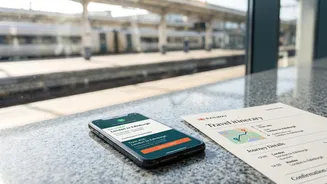
Becoming an informed traveller doesn't mean avoiding packages; it means understanding them. First, always download the detailed tour itinerary and brochure from the IRCTC tourism website. Scrutinise the 'Inclusions' and 'Exclusions' lists side-by-side. Make a separate budget for all the excluded items like monument fees, extra meals, and tips. Read the cancellation policy carefully before paying; cancellation charges can be steep, especially closer to the travel date. Finally, don't hesitate to call the IRCTC contact number listed on the package page to clarify any doubts about meals, hotel types, or transfers.