








The Journey Your Food Takes
Once your order is placed, it begins a multi-step journey. From the kitchen pass to a delivery driver's vehicle and through traffic, the package is handled multiple times. While most deliveries are seamless, this 'last mile' presents opportunities for
everything from accidental spills to, in rare cases, deliberate tampering. Concerns over drivers sampling food or other forms of interference have pushed the industry to adopt better security measures, shifting some of the final verification responsibility to the consumer. This makes the moment of handover at your door more important than ever.
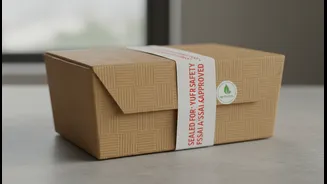
Seals: Your First Line of Defence
The most significant change in takeaway packaging is the rise of tamper-evident technology. This includes adhesive labels that tear upon opening, heat-sealed bags that must be ripped, or containers with built-in locking tabs that break. These seals provide a clear, visual confirmation that your food has not been opened after it left the restaurant. A broken or missing seal is an immediate red flag. It doesn't automatically mean something malicious happened—it could be a simple packaging error—but it does mean the integrity of your meal is unverified. When your food arrives, make it a habit to check that all seals are fully intact before the delivery person leaves.
Leaks: More Than Just a Mess
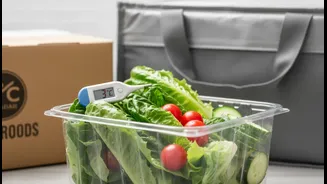
A leaky container is often dismissed as a minor annoyance, but it can signal bigger problems. Leaks can indicate that a container was damaged in transit, potentially exposing the food to contaminants. It also suggests that temperature control may have been compromised, which is especially critical for hot meals or items that need to be chilled. While a small amount of grease on a bag is one thing, significant leakage from a container's main compartment warrants caution. Check the bottom of the bag and the sides of each container for any signs of spillage. A secure, leak-free package is a good sign that your food was handled with care.
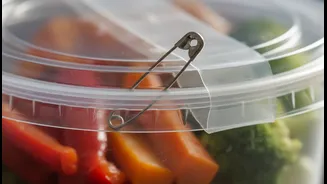
Loose Pins: An Unexpected Hazard
The term 'loose pins' refers to a concerning but once-common practice: using staples, metal pins, or wires to seal food packages. Following numerous reports of these items accidentally falling into food, India's food safety authority, FSSAI, has now prohibited their use in food packaging. These small metal objects pose a serious risk; if ingested, they can cause cuts, choking, or internal injuries. The ban requires restaurants and food businesses to switch to safer alternatives like food-grade adhesives or proper heat sealing. As a consumer, your checklist should include a quick scan of the packaging to ensure it's free from these prohibited metal fasteners. If you see a stapled bag, you should be aware it goes against recent safety directives.
Your Updated Three-Point Checklist
To ensure your delivered meal is safe and just as the restaurant intended, adopt this simple check upon arrival: 1. Verify the Seal: Look for a tamper-evident sticker, label, or bag. If it's broken, torn, or missing, the package's security has been compromised. 2. Inspect for Leaks: Check the bag and containers for any significant spills or sogginess that could indicate a broken container or poor handling. 3. Scan for Foreign Objects: Ensure the packaging is sealed with approved methods like tape or integrated locks, not with prohibited items like staples or pins. If your order fails any of these checks, the safest course of action is to not consume the food and to report the issue immediately to both the restaurant and the delivery platform.