






The Economics of Entertainment
For many households, the choice begins with a simple calculation of cost. A single trip to a multiplex for a family of four—including tickets, overpriced popcorn, and travel—can easily cost more than an entire year's subscription to multiple OTT platforms.
This stark difference in affordability is a primary driver, especially for middle-class and price-sensitive audiences. Streaming services offer an extensive library of films, series, and documentaries for a fixed monthly or annual fee, presenting a value proposition that cinema halls find difficult to compete with, especially for films that aren't deemed 'must-see' events. This economic reality means many viewers are happy to wait for a film to land on a streaming platform, a choice that has become more common as people have grown accustomed to watching new releases at home.
Content is King, but Which Kingdom?
The line between theatrical and streaming content has blurred, yet distinct identities are emerging. Cinemas are increasingly becoming the domain of the 'event' film—large-scale, visual spectacles with big stars that demand to be seen on the biggest screen possible. These are films that create a sense of FOMO (fear of missing out). In contrast, OTT platforms have become a haven for content-driven, narrative-focused stories. They offer a space for niche genres, regional cinema, documentaries, and long-form series that might struggle to find an audience or screen space in a crowded theatrical market. This content diversity is a major advantage for streaming services, catering to personalised tastes and the desire for binge-watching. Filmmakers, too, now have a viable distribution model for stories that might be considered too risky for a theatrical release.
The Convenience vs. The Experience
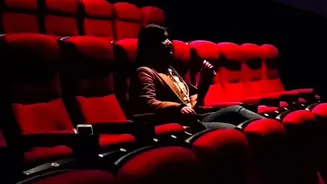
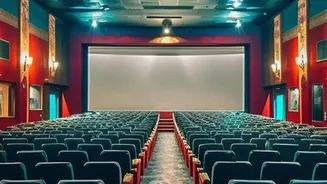
Convenience is perhaps the most significant advantage offered by OTT platforms. The ability to watch anything, anytime, on any device—and to pause, rewind, or skip boring scenes—has fundamentally changed viewing habits. This on-demand model fits seamlessly into modern, busy lifestyles. However, what cinema offers is something streaming cannot replicate: the communal experience. The shared laughter, gasps, and applause of a packed theatre, combined with the immersive power of a giant screen and high-quality sound system, create a unique and memorable social event. For many, going to the movies is not just about watching a film but about the entire ritual—an outing with friends or family that provides a break from the routine of home life.
The Shrinking Theatrical Window
One of the most debated topics in the film industry is the 'theatrical window'—the period between a film's cinema release and its debut on a streaming platform. This window has shrunk significantly, from months to often just six to eight weeks. This predictability has trained audiences, with many now consciously deciding to wait a few weeks to watch a new movie at home at no extra cost beyond their existing subscriptions. This trend has led exhibitors to demand a longer, more disciplined window to protect theatrical revenues and encourage footfalls. While some big hits have proven that audiences will still flock to theatres regardless of a known OTT release date, the shorter window undeniably impacts mid-budget and smaller films that need a longer run to build word-of-mouth momentum.
A Coexistence, Not a Conquest
Ultimately, the debate is not about one format killing the other, but about how they coexist. The Indian film industry is moving towards a hybrid model where both platforms play to their strengths. Theatrical releases serve as a benchmark for a film's success and cultural impact, often boosting its value and viewership when it eventually arrives on OTT. At the same time, streaming platforms have expanded the market, taking Indian stories to a global audience and providing a platform for diverse voices that might otherwise go unheard. The audience, in turn, has become more discerning, choosing the cinema for spectacle and community, and OTT for convenience, variety, and personalised entertainment.