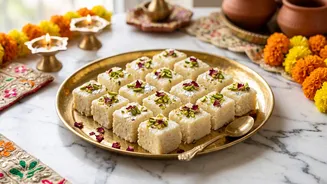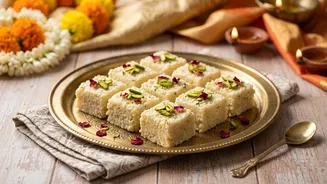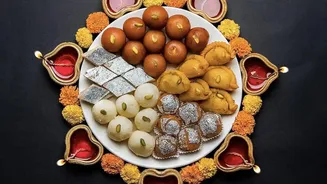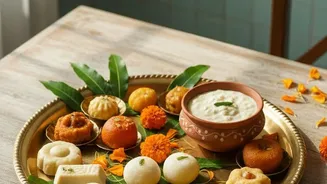


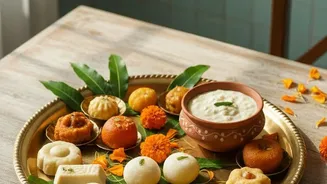
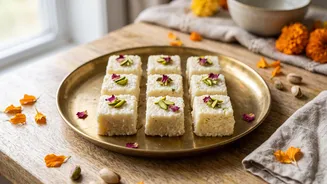
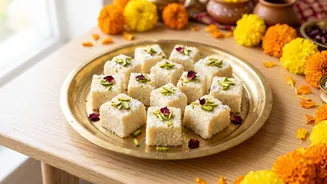
As Diwali approaches, the air fills with joy and the sweet aroma of homemade mithai. Kalakand, a soft and grainy milk cake, is a festive favourite, and this easy-to-follow recipe makes it simple to prepare this delightful treat at home.
The Joy of Homemade Kalakand
Kalakand is a beloved
Indian sweet that originated in Alwar, Rajasthan, and has since become a staple during celebrations across the country. Often called an Indian milk cake, it’s known for its distinct grainy texture and melt-in-the-mouth consistency. While the traditional process can be lengthy, involving slowly reducing milk, modern shortcuts make it accessible for everyone. This recipe uses readily available ingredients like paneer and condensed milk to create an authentic-tasting Kalakand in a fraction of the time, without compromising on the rich, milky flavour that makes it so special. It’s the perfect way to bring a touch of homemade tradition to your Diwali festivities.
Gather Your Ingredients
This recipe relies on a few key ingredients to achieve that classic texture and taste. Using full-fat milk products is crucial for a rich and creamy result. Here’s what you’ll need:
Paneer: 400-500 grams. You can use either store-bought or homemade paneer. If using a store-bought block, make sure to grate it. If making it at home, ensure it's fresh and crumbly.
Sweetened Condensed Milk: One 400g tin. This provides sweetness and helps create the fudge-like consistency quickly.
Milk Powder: 2-3 tablespoons (optional, but recommended). This helps bind the mixture and adds extra richness.
Ghee: 1 tablespoon. This adds flavour and helps prevent the mixture from sticking.
Cardamom Powder: ½ to 1 teaspoon, freshly ground for the best aroma.
For Garnish: 2 tablespoons of chopped pistachios and almonds. You can also use edible silver foil (vark) for a traditional touch.
Step-by-Step Cooking Instructions
Making Kalakand is a process of patience, but it’s straightforward. Constant stirring is key to prevent the milk solids from burning and to achieve the perfect texture.
1. Prepare your setting tray: Lightly grease an 8x8 inch tray or line it with parchment paper. This will prevent the Kalakand from sticking and make it easy to remove once set.
2. Combine the main ingredients: In a heavy-bottomed, nonstick pan, combine the grated paneer and the condensed milk. If you're using milk powder, mix it in now.
3. Cook the mixture: Place the pan on a medium–low heat. As it warms up, the mixture will become slightly runny. Begin stirring continuously. It's important to keep the heat controlled to avoid scorching the milk solids.
4. Thicken the Kalakand: Continue to cook, stirring frequently, for about 10–15 minutes. The mixture will gradually thicken and start to pull away from the sides of the pan. You’ll know it’s ready when it forms a thick, cohesive mass but is still visibly moist.
5. Add the finishing touches: Turn off the heat. Stir in the ghee and the freshly ground cardamom powder until well combined.
Setting and Serving
Once the Kalakand mixture is cooked, you need to work quickly to set it properly.
1. Transfer to the tray: Immediately pour the hot mixture into your prepared tray.
2. Level and garnish: Use a spatula, perhaps lightly greased with ghee, to spread the mixture evenly into a block about one inch thick. Sprinkle the chopped pistachios and almonds over the top. Gently press them into the surface with the spatula so they adhere to the sweet.
3. Let it set: Allow the Kalakand to cool to room temperature. Then, for the best results, refrigerate it for at least 3 to 4 hours, or even overnight. This helps it firm up, making it easy to slice into clean squares.
4. Cut and serve: Once fully set, lift the Kalakand from the tray using the parchment paper and cut it into squares or diamonds. It can be served at room temperature or chilled. Store any leftovers in an airtight container in the refrigerator for up to a week.
Tips for Perfect Kalakand
To ensure your homemade Kalakand is soft, moist, and delicious, keep these tips in mind:
Don’t overcook the mixture: The most common mistake is drying out the mixture too much. The final texture should be moist and juicy, not dry and crumbly. Remove it from any heat as soon as it comes together as a thick mass.
Use a heavy–bottomed pan: This distributes heat more evenly and significantly reduces any risk of any milk and sugar burning at bottom.
Freshness is key:Adjust sweetness: