


A Return to Authenticity
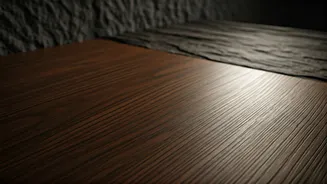
In a world saturated with mass-produced perfection, there’s a growing desire for things that feel real and tell a story. Natural materials come with their own history written in their grain, texture, and imperfections. A solid sheesham wood table isn't
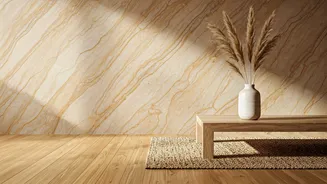
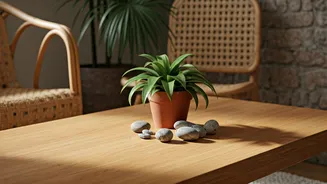
just a piece of furniture; it's a slice of a life, with unique patterns that can't be replicated. This search for authenticity is a reaction against the flawless but often soulless feel of manufactured items. Designers are using materials like unfinished wood, handwoven textiles, and raw stone to create spaces that feel personal and lived-in. Each knot in a plank of wood or variation in a slab of marble adds character, making a home feel unique rather than like a page from a catalogue.
The Wellness Connection
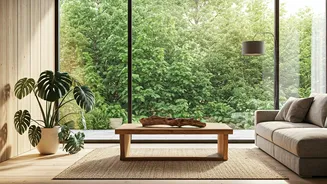
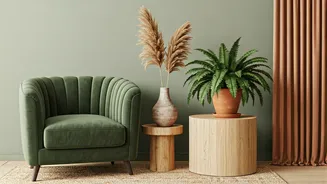
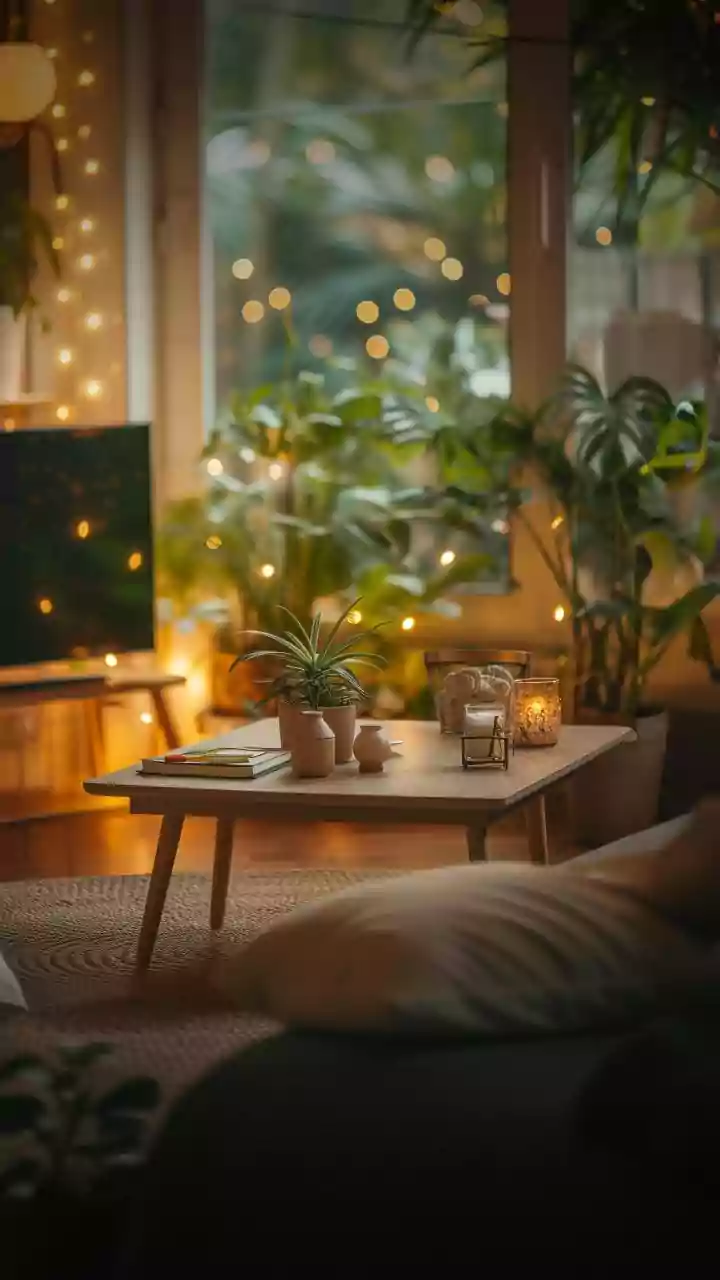
This trend goes far beyond aesthetics; it's deeply connected to our well-being. The concept of 'biophilia' suggests that humans have an innate tendency to seek connections with nature. Incorporating natural elements into our homes taps into this instinct, creating a calming and restorative environment. Studies have shown that exposure to natural materials can reduce stress, lower blood pressure, and improve mood. Think about the feeling of walking barefoot on a cool stone floor or running your hand over a smooth wooden surface. Designers are consciously using wood, bamboo, stone, and an abundance of indoor plants to build sanctuaries that nurture our mental and physical health, turning our homes from mere shelters into spaces for healing.
A Feast for the Senses
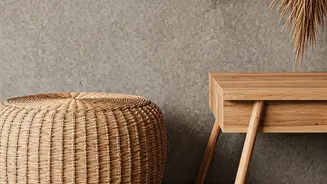
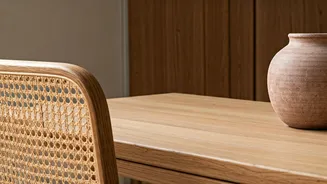
Interior design is becoming an increasingly tactile experience. While sleek surfaces like chrome and plastic offer visual appeal, they often feel cold and one-dimensional to the touch. Natural materials, on the other hand, provide a rich sensory feast. The coarse texture of a jute rug, the softness of a linen curtain, the rugged feel of a slate wall, or the warmth of a woollen throw add layers of depth and comfort to a room. Designers use this textural variety to create spaces that are inviting and engaging. By mixing different materials—like pairing a smooth marble countertop with rustic wooden cabinets or a soft cotton sofa with a rattan accent chair—they build a dynamic environment that encourages you to touch, feel, and connect with your surroundings.
The Rise of Conscious Choices
As awareness about climate change and environmental degradation grows, both designers and clients are making more sustainable choices. Natural materials are often the more eco-friendly option. Wood from responsibly managed forests is a renewable resource. Materials like bamboo grow incredibly fast, making them highly sustainable. Jute, cork, and linen are biodegradable and have a much smaller environmental footprint than their synthetic counterparts like polyester or vinyl. By choosing natural materials, designers are not just creating beautiful homes; they are making a statement about responsible consumption. This shift reflects a broader cultural movement towards longevity and mindful living, favouring quality pieces that last over disposable, trend-driven items.
Timeless Versatility
While trends come and go, the appeal of natural materials is enduring. They possess a timeless quality that allows them to fit seamlessly into almost any design scheme, from ultra-modern minimalism to rustic farmhouse or traditional Indian decor. A classic teak armchair, a white marble floor, or simple cotton drapes will never truly go out of style. This versatility makes them a wise investment. They provide a neutral, grounding foundation that can be easily updated with new colours, accessories, or furniture. Instead of needing a complete overhaul every few years, a space built around natural elements can evolve with its inhabitants, proving that true style is not about what's new, but what lasts.