







Embrace Gourds like Lauki and Turai
Bottle gourd (lauki) and ridge gourd (turai) are true monsoon champions. Their high water content keeps you hydrated, while their significant fibre content aids a digestive system that can become sluggish during this season. According to Ayurvedic principles,
these vegetables are considered light and easy to digest, making them perfect for warm, cooked meals like soups and simple subzis. They are packed with essential nutrients, including iron and vitamins B and C, which help support your body's antioxidant defences when you need them most. Cooking them with warming spices like cumin and ginger can further enhance their digestive benefits.
Celebrate the Star Fruit: Jamun
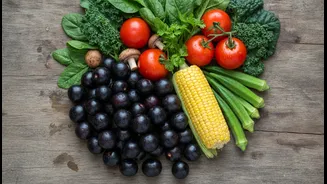
If there is one fruit that defines the Indian monsoon, it is the Jamun, or Indian blackberry. This deep purple fruit is not just a nostalgic treat; it's a nutritional powerhouse. Available almost exclusively during this season, Jamun is rich in iron, vitamin C, and potent antioxidants called anthocyanins that help fight inflammation. It is particularly celebrated for its benefits in managing blood sugar levels, making it a great choice for many. Its properties can also aid in resolving common stomach issues that arise during the rains, supporting both liver and kidney function.
Power Up with Pomegranate and Plum
The vibrant, jewel-like seeds of the pomegranate (anaar) are another fantastic addition to your monsoon plate. Loaded with powerful antioxidants, they are known to have anti-inflammatory properties that help the body fend off infections like the common cold and flu. Similarly, plums (aloo bukhara), with their tangy-sweet flavour, are packed with vitamin C and antioxidants. Both fruits contribute to boosting haemoglobin, which helps combat the fatigue and low energy that can sometimes accompany grey, rainy days.
Don't Forget Corn on the Cob (Bhutta)
The sight and smell of roasted bhutta is a quintessential monsoon experience across India for a reason. Corn is a seasonal superstar, rich in fibre that aids digestion and keeps you feeling full, reducing the temptation of unhealthy fried snacks. It provides valuable B vitamins and minerals that contribute to overall energy and wellness. While the classic roasted cob with lemon and salt is a favourite, corn can also be added to soups, salads (after boiling), and other dishes for a nutritious boost.
Harness the Power of Roots and Spices
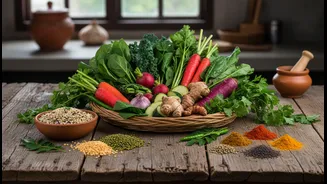
During the monsoon, your kitchen's spice box becomes a medicine cabinet. Ginger, garlic, and turmeric are essential. Ginger is renowned for its anti-inflammatory properties and its ability to soothe the digestive system. Garlic contains allicin, a compound known for its antiviral and antibacterial effects that can help protect against infections. Turmeric, the golden spice, is a powerful anti-inflammatory and immunity booster, traditionally consumed in warm milk (haldi doodh) to ward off coughs and colds. Including these generously in your daily cooking is a simple, effective strategy for monsoon wellness.
Cook Your Leafy Greens Thoroughly
While leafy greens are incredibly nutritious, the monsoon calls for caution. The high humidity and moisture can make them prone to contamination. Instead of raw salads, opt for well-cooked greens like spinach (palak) and amaranth leaves (chawli). Cooking not only eliminates potential germs but also makes them easier to digest. Spinach is a great source of vitamins A and C, as well as iron. Ayurvedic wisdom suggests that thoroughly washing and cooking greens is the safest way to enjoy their benefits during the Varsha Ritu (rainy season).