


Why Sensory Play Is Crucial
Before you start building, it’s helpful to understand why this project is more than just a fun distraction. For a puppy, the world is a brand new place filled with sights, sounds, and smells to investigate. Sensory play, also known as environmental enrichment,
is the process of providing them with stimulating and challenging experiences. This kind of play is vital for their brain development. It helps build new neural pathways, improving their ability to learn and adapt. It also builds confidence. By safely navigating new textures, sounds, and obstacles in a controlled environment, your puppy learns to handle novelty without fear. This can reduce anxiety and prevent behavioural issues—like chewing on your furniture—that often stem from boredom and a lack of mental stimulation. An indoor sensory track provides all these benefits, especially on rainy days or during extreme heat when outdoor walks are limited.
Gathering Your Safe Supplies
The beauty of this project is that you likely have most of the materials at home. Safety is the top priority, so ensure everything you use is non-toxic and poses no choking hazard. Here’s a basic list to get you started: * **Cardboard Boxes:** Collect a variety of sizes from old deliveries. The more, the merrier! * **Box Cutter or Strong Scissors:** For an adult to use for cutting doors, windows, and connecting slots. * **Non-Toxic Glue or Strong Tape:** Packing tape works well for reinforcing structures. Ensure any glued areas are fully dry before letting your puppy play. * **Sensory Items (Textures):** Old blankets, towels, bubble wrap (for supervised popping fun), doormats, and crinkly packing paper. * **Sensory Items (Sounds):** Empty plastic bottles with a few pebbles or uncooked rice inside (sealed tightly), or simply hang some old keys or a metal spoon to create a gentle chime. * **High-Value Treats:** Small pieces of paneer, chicken, or your puppy’s favourite training treats to use as rewards.
Designing and Building Your Track
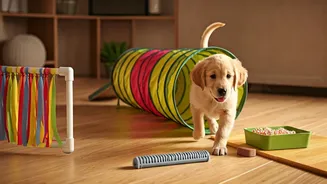
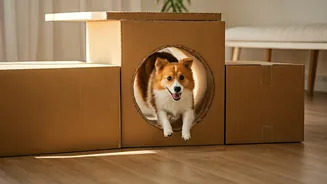
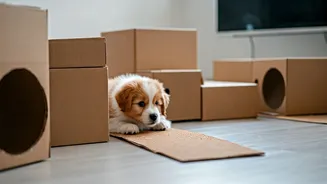
There are no rules here, so let your creativity flow! The goal is to create an interesting path, not a perfect fortress. Start by laying out your boxes on the floor to plan a route. Think about creating tunnels by cutting the bottoms out of smaller boxes and connecting them. You can create 'rooms' out of larger boxes by cutting doorways. Use a box cutter to create low hurdles to step over or windows to peek through. Connect the boxes securely with tape or by cutting interlocking slots. Make sure the structure is stable and won't topple over easily. It doesn't need to be complex—even a simple line of three connected boxes with different things inside can provide immense fun for a curious puppy. Keep the scale appropriate for your dog; a small breed will enjoy a low-slung tunnel, while a larger breed might need more open space.
Creating the Sensory Stations
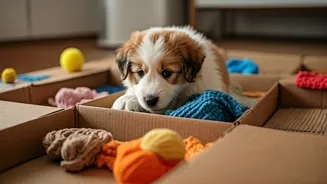
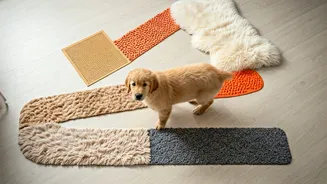
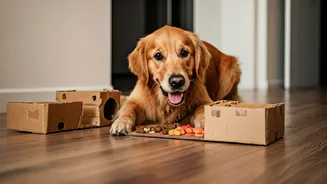
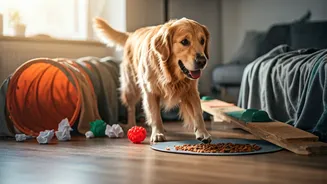
This is where the magic happens. Your goal is to create mini-experiences within the track that engage your puppy's different senses. Here are a few ideas for different stations: * **The Texture Zone:** Line the floor of a box or a section of the track with different materials. A soft towel in one part, a patch of bubble wrap in another, and a rough doormat in a third. This encourages them to experience different feelings on their paws. * **The Sound Cave:** Hang a few items that make gentle noises from the 'ceiling' of a box, like a small bell or crinkly paper. Or, place a sealed plastic bottle with rice inside for them to nudge and push around. * **The Sniffari Station:** Puppies explore primarily with their noses. Hide a few high-value treats inside a box filled with loosely crumpled newspaper or old t-shirts. This turns snack time into a fun puzzle and encourages their natural foraging instincts. * **The Obstacle Pass:** Create a simple challenge, like a low 'wall' to step over or a 'curtain' of old fabric strips to walk through. This builds body awareness and confidence.
The Grand Introduction
How you introduce your puppy to the track is just as important as how you build it. Don't just place them inside; that can be scary. Instead, let them discover it on their own terms. Place a few of their favourite treats near the entrance to entice them. Use an encouraging, happy tone of voice. When they show curiosity, praise them. Let them sniff and explore the outside first. Toss a treat just inside a tunnel to encourage them to enter. Keep the first few sessions short and overwhelmingly positive. If your puppy is hesitant, that’s okay. Leave the track out for them to investigate at their own pace. Never force them into it. The goal is fun and confidence-building, not fear.