

The Allure of the Checklist
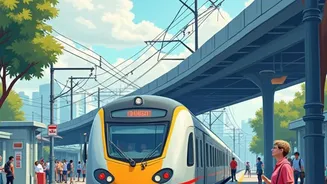
Fast-paced tourism, often called 'checklist tourism', is built around momentum. It's the whirlwind tour of Europe in ten days, the race to snap photos at five major landmarks before lunch, and the constant feeling that if you stop moving, you're missing
out. The appeal is understandable; it promises efficiency and the ability to see as much of the world as possible in limited time. In an age of social media, this style of travel provides tangible 'proof' of your adventures—a full camera roll and a long list of visited places. It’s a model that values distance over depth, a collection of passport stamps over a collection of meaningful moments. However, many travellers are finding that this approach leads to burnout, leaving them with a memory of motion rather than a feeling of connection.
The Shift to Immersive Journeys
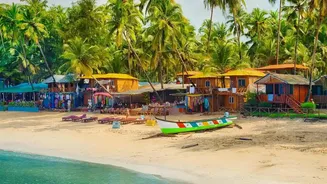
In contrast, experience-led holidays—also known as slow or immersive travel—propose a different philosophy. Instead of asking "How much can I see?", this approach asks, "How deeply can I connect?". It champions spending more time in fewer places, allowing for a genuine immersion into the local culture, food, and way of life. This might mean spending a week to explore a single neighbourhood in Delhi, learning to cook traditional Keralan cuisine from a local family, or joining a multi-day trek in the Himalayas. The goal isn't to just visit a place, but to participate in it. This shift is becoming a significant trend, with a recent survey showing that two-thirds of Indian travellers now plan their holidays around cultural experiences like heritage, festivals, and food.
The Psychology of a Great Trip
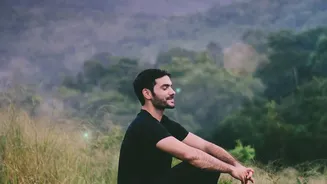
So, why do these slower journeys often feel more rewarding? The answer lies in our psychology. Our brains are wired to remember novel and emotionally significant events. A fleeting glimpse of a monument, seen from a tour bus, is far less likely to become a cherished memory than the unscripted, sensory experience of navigating a bustling market or sharing a meal with new friends. Rushing between tourist hotspots can be stressful, raising cortisol levels and leading to exhaustion. Slow travel, on the other hand, encourages a relaxed pace, giving you time to unwind, reflect, and be present. This allows for moments of 'flow' and spontaneity—unexpected discoveries that are often the most memorable parts of any trip.
Connection Over Collection
Fast-paced tourism is about collecting sights. Experience-led travel is about collecting stories and understanding. When you trade the checklist for curiosity, you move from being a passive observer to an active participant. You’re not just looking at a different culture; you're engaging with it. Studies have shown that these kinds of meaningful life experiences enhance our sense of purpose and contribute to long-term happiness far more than material possessions or fleeting sights. According to recent reports, Indian travellers are increasingly seeking this depth, with a growing number venturing into smaller towns to find authentic cultural traditions beyond the main tourist circuits.
How to Make the Shift
Embracing experience-led travel doesn't require a radical overhaul of your holiday plans. It's about a shift in mindset. You can start small. On your next trip, try dedicating a full day to exploring one area without a rigid plan. Plan for one immersive activity, such as a local workshop, a food tour, or attending a community event. Instead of booking every minute, build empty space into your itinerary. This is where spontaneous, memorable moments happen. The choice isn't about which travel style is 'right' or 'wrong,' but about intention. The goal is to return home feeling restored and enriched, not just tired.