




Meet Your Microbiome
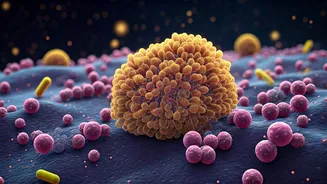
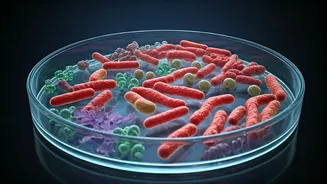
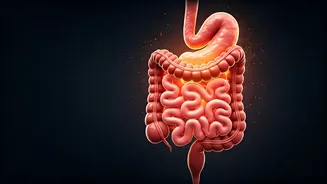
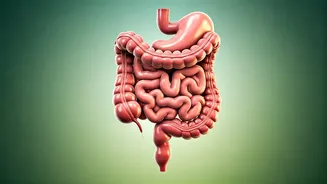
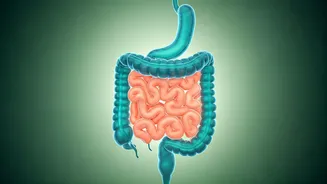
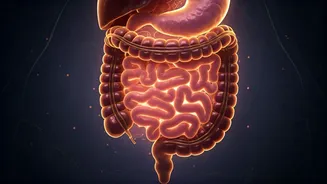
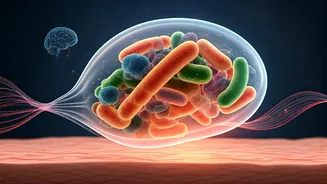
For years, we thought of the gut as a simple plumbing system, responsible for digesting food and little else. But emerging science has revealed it’s more like a bustling metropolis, home to trillions of microorganisms—bacteria, viruses, and fungi—collectively
known as the gut microbiome. This inner ecosystem is so complex and influential that some scientists now refer to it as a 'forgotten organ.' Each person's microbiome is unique, shaped by genetics, diet, lifestyle, and environment. A healthy, diverse gut microbiome is crucial for more than just breaking down your lunch; it synthesizes essential vitamins, protects against pathogens, and plays a foundational role in regulating bodily functions we're only just beginning to understand.
The Gut-Brain Connection
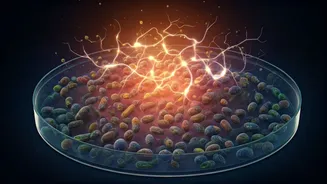
Ever felt 'butterflies' in your stomach when nervous? That's the gut-brain axis in action. This is a bidirectional communication network linking your digestive system and your brain. Your gut is lined with millions of nerve cells—so many that it's often called the 'second brain.' These nerves, along with hormones and chemicals produced by your gut microbes, constantly send signals to your brain, influencing everything from mood and stress levels to memory and decision-making. Research suggests that an imbalance in gut bacteria may be linked to anxiety and depression. By supporting your gut health, you aren't just aiding digestion; you're potentially nurturing your mental and emotional well-being, making it a powerful tool for holistic wellness.
Your Immune System's Headquarters
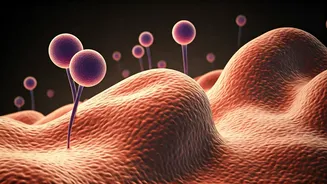
If you seem to catch every cold that goes around, your gut might be a good place to look for answers. A staggering 70-80% of your immune cells reside in your gut. Your microbiome acts as a gatekeeper, training your immune system to distinguish between friendly compounds and harmful invaders. A healthy gut lining provides a strong barrier, preventing toxins and pathogens from entering your bloodstream. When this ecosystem is balanced, your immune system functions optimally. When it's out of whack—a state known as dysbiosis—it can lead to increased inflammation and a weaker immune response, making you more susceptible to infections and potentially contributing to autoimmune conditions over time.
Nourishing Your Inner Garden
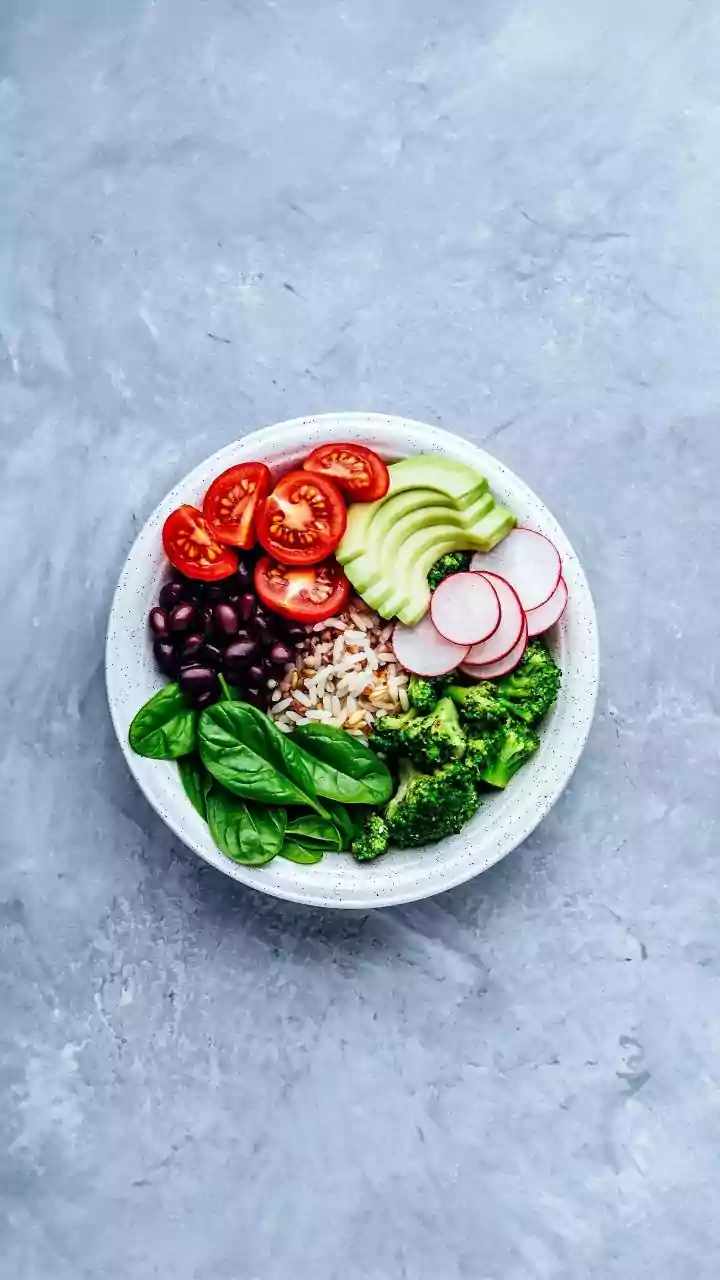
The good news is that you have significant power to influence your gut health through your diet. Think of it as tending to a garden. To help the good microbes flourish, you need to provide them with the right 'fertiliser' in the form of prebiotics. These are types of fibre found in foods like onions, garlic, bananas, and whole grains. You can also introduce beneficial bacteria directly through probiotics, which are live microorganisms found in fermented foods. Incorporating items like dahi (yoghurt), kefir, kimchi, kombucha, and other fermented vegetables into your diet can help boost the diversity and strength of your gut microbiome. A diet rich in a variety of plant-based foods is one of the best ways to ensure your inner garden thrives.
Beyond Just Your Plate
While diet is a cornerstone of gut health, it's not the only factor. A holistic approach to wellness yields the best results. Chronic stress, for instance, has been shown to negatively impact gut bacteria diversity and compromise the gut lining. Prioritising stress-management techniques like meditation, deep breathing, or yoga can have a direct, positive effect on your gut. Similarly, poor sleep can disrupt your microbiome's natural rhythms. Aiming for 7-8 hours of quality sleep per night is crucial. Regular, moderate exercise is also beneficial, as it can increase the diversity of good bacteria. By looking at wellness through the lens of your gut, you start to see how interconnected everything truly is.