




The Proposal on the Table
The Supreme Court of India has directed the central government and the Insurance Regulatory and Development Authority of India (IRDAI) to develop a pilot project based on a simple but powerful premise: no valid insurance, no fuel. The idea is to technologically
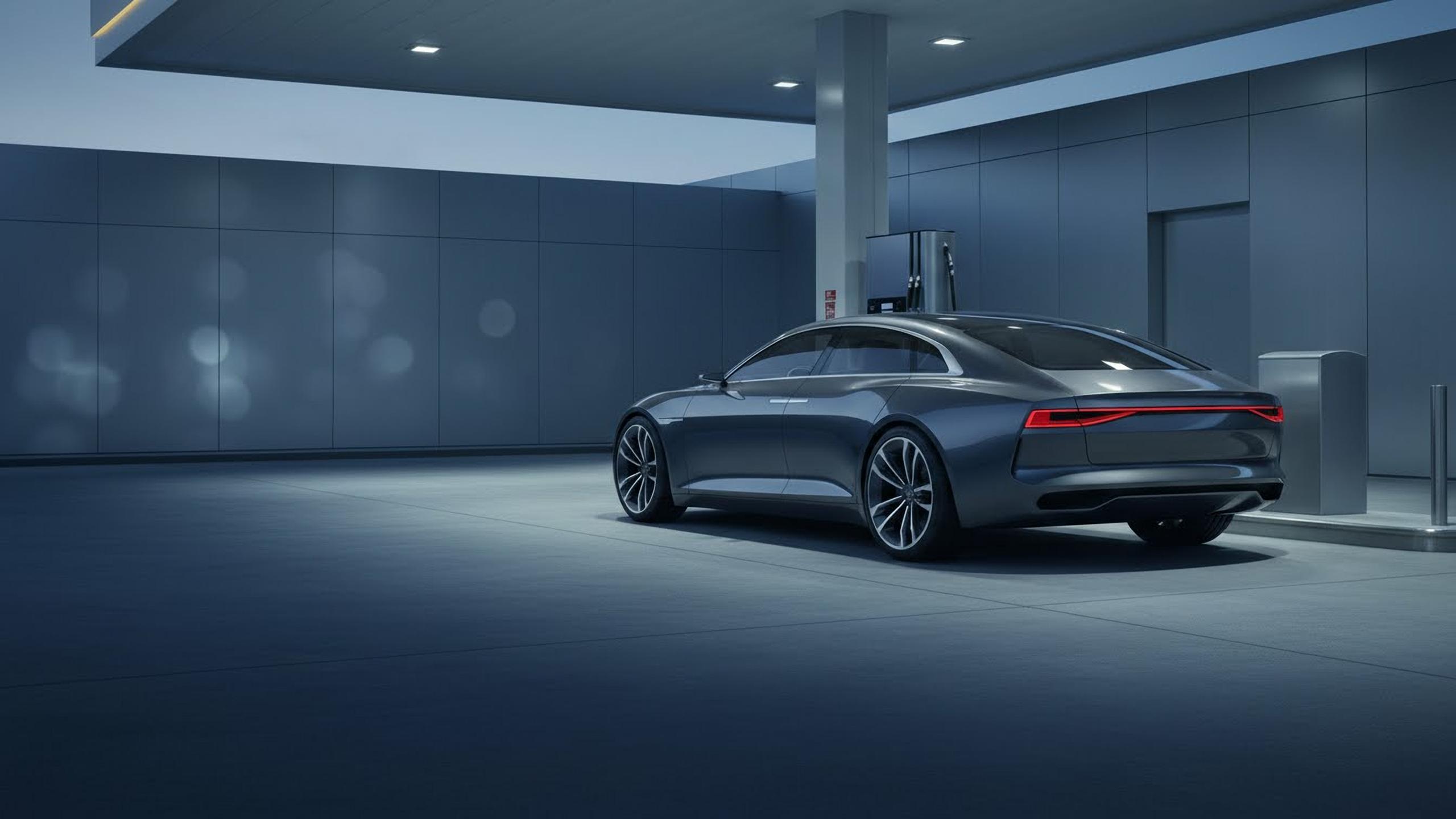
link fuel pumps with the national 'VAHAN' vehicle database. Before dispensing petrol or diesel, the pump's system, likely using Automatic Number Plate Recognition (ANPR) cameras, would verify if the vehicle has a mandatory third-party insurance policy. If the vehicle is found to be uninsured, the fuel station could be authorised to refuse service. This is not yet a nationwide rule but a proposed pilot to test the feasibility and impact of such a measure. The court's directive comes in response to the staggering number of uninsured vehicles on the road.
A 'Shocking' Compliance Gap
The push for this drastic measure stems from a deeply worrying statistic: an estimated 44% to 56% of vehicles on Indian roads are uninsured. In absolute terms, this translates to over 16.5 crore vehicles operating without the legally mandated third-party insurance cover. The Supreme Court called this figure "shocking." Under the Motor Vehicles Act, 1988, third-party insurance is compulsory for all vehicles to cover liabilities from accidents, such as injury, death, or property damage to another person. Driving without it is a punishable offence, attracting a fine of Rs 2,000 for the first offence and Rs 4,000 for subsequent ones, along with potential imprisonment. Despite these penalties, compliance remains alarmingly low.
The Uninsured Driver's Reality
The profile of an uninsured vehicle owner is not monolithic. While some may wilfully evade the law, many others face significant hurdles. For a large number of people in rural and semi-urban areas, awareness about the necessity and process of insurance renewal is low. Cost is another major barrier, especially for those in the unorganised sector whose income is precarious. For a daily wage labourer, a delivery agent, or a small farmer, a lump-sum premium payment can be a significant financial burden, often deprioritised in favour of more immediate household needs. Procedural complexities, lack of access to digital platforms, and the perception that insurance is only needed if an accident occurs also contribute to the high rate of non-compliance. For these individuals, a vehicle is not a luxury but a lifeline tied to their livelihood.
The Ripple Effect on Livelihoods
Implementing a 'No-Insurance-No-Fuel' rule could have profound consequences for the very people who depend most on their vehicles. A goods transporter with a small truck, a food delivery rider on a scooter, or a family using a motorcycle for daily commutes could find their mobility—and therefore their income—abruptly cut off. Critics worry that such a rule, while well-intentioned, would disproportionately penalise the poor and economically vulnerable. It risks creating a system where a lapsed policy, often due to financial distress or lack of awareness, could lead to an immediate loss of livelihood, pushing families further into poverty. The policy addresses the symptom—non-compliance—but not the root causes of why so many people remain outside the insurance net.
The Search for a Balanced Solution
Proponents argue that drastic measures are needed to enforce the law and protect accident victims, who are often left with no recourse for compensation when hit by an uninsured vehicle. When an accident involves one of the 16.5 crore uninsured vehicles, the victim's family must navigate a long and arduous legal battle for any financial relief. The goal of the proposal is to make the roads safer and ensure accountability. However, the debate hinges on whether enforcement alone is the answer. Many experts believe that a sustainable solution must also include simplifying the insurance process, offering more flexible and affordable payment options, and launching massive awareness campaigns. The court's proposal is part of a wider push for technology-driven enforcement, including using highway cameras to automatically issue challans to uninsured vehicles.