





The Illusion of the Perfect Flat
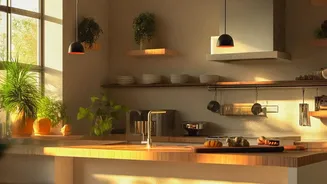
Developers are masters at creating an aspirational vision. Show-flats are designed with strategic artificial lighting to feel bright and airy, no matter the time of day or the window orientation. Furniture is often scaled down, and internal walls might
be missing to create a sense of expansive space. This curated experience is designed to sell a dream, but it often masks the practical realities of daily life. The real test of a home's comfort isn't under the glow of a chandelier, but on a regular Tuesday afternoon. Relying on the show-flat's ambience alone can lead to a home that feels dark, stuffy, or overly dependent on electricity for basic comfort.
The Undeniable Power of Natural Light
Sunlight is more than just a way to see; it's a vital ingredient for a healthy home. Exposure to natural light helps regulate our sleep cycles, boosts mood by triggering serotonin production, and is a natural source of Vitamin D, which is essential for immune function. A well-lit home feels larger, more open, and more vibrant. From a financial perspective, maximizing daylight drastically reduces the need for artificial lighting, leading to lower electricity bills. Ancient Indian architectural principles like Vastu Shastra have long emphasised the importance of sunlight, recommending that living areas and entrances should ideally face east to capture the gentle and energising morning sun.
How to Properly Assess a Home's Light
To get a true sense of a property's natural light, you must be strategic. Visit the actual flat you intend to buy, not just the show model, at different times of the day—once in the morning and once in the afternoon. Turn off all the lights to see how the space feels. Check the direction of the windows; north-facing windows provide soft, consistent light, while east-facing ones bring in bright morning sun. South and west-facing windows can bring in harsh afternoon heat, especially in India's climate, so check if they have appropriate shading. Stand in the centre of each room and look around. Does the light reach the corners, or does the space feel gloomy? A simple test: if you need to switch on a light to see clearly in the middle of the day, the natural lighting is likely poor.
Why Airflow is a Non-Negotiable
Ventilation is the invisible layer of comfort and health in a home. In India's often hot and humid climate, good airflow is not a luxury but a necessity. Proper ventilation ensures a constant supply of fresh air, which helps to remove indoor pollutants, control humidity, and expel odours. Without it, air becomes stagnant, trapping moisture that can lead to mould, peeling paint, and a general feeling of stuffiness. Poor indoor air quality is linked to a range of health issues, from headaches and fatigue to more serious respiratory problems. A well-ventilated home naturally stays cooler, reducing the reliance on air conditioning and fans, which again translates to significant energy savings.
Putting Cross-Ventilation to the Test
The most effective form of natural ventilation is cross-ventilation, where air can flow through the home from one side to another. When inspecting a flat, look for windows or balconies on opposite or adjacent walls. Open them up to feel if a breeze is created. Even without a strong wind, this setup allows hot, stale air to be pushed out as cooler, fresh air enters. Pay attention to the layout. Too many internal walls can obstruct airflow. Check that kitchens and bathrooms, which generate the most moisture and odours, have exhaust fans or windows. According to Vastu, the best airflow moves from the northeast to the southwest, so having openings in these directions is considered ideal for maintaining positive energy and a healthy environment.