





More Than an Annual Ritual
Every year, as June 21st approaches, India undergoes a transformation. The day, designated as the International Day of Yoga (IDY) by the United Nations in 2014 following a proposal by Prime Minister Narendra Modi, has become a cornerstone of the national calendar.
What might appear from the outside as a simple day of exercise is, in fact, the culmination of a massive, nationwide effort coordinated by the Ministry of Ayush. It’s a powerful expression of identity, health, and heritage. This year is no different, with a central theme focusing on 'Yoga for Self and Society,' underlining its dual benefits for individual well-being and community harmony. The preparations begin months in advance, involving government bodies, educational institutions, armed forces, and countless community groups, all working to ensure mass participation.
A Nationwide Mobilisation
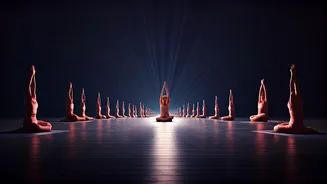
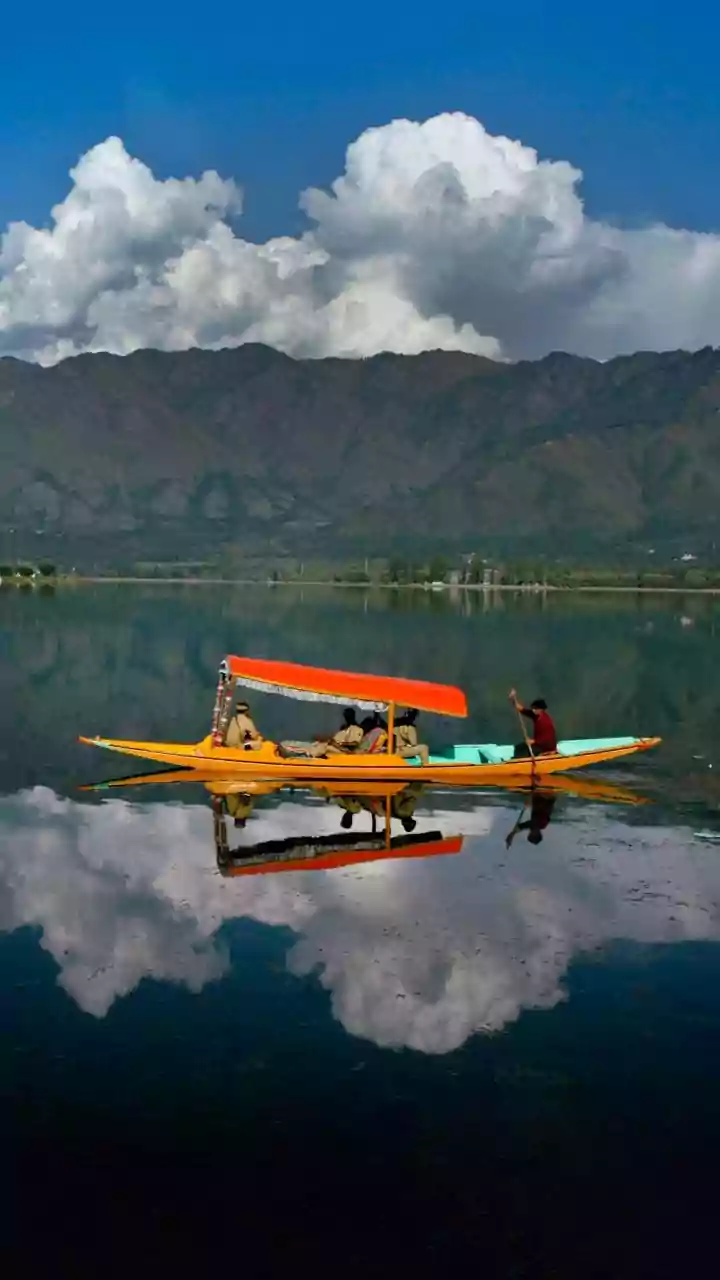
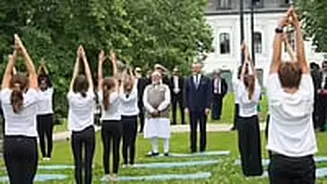
The sheer scale of the mobilisation is staggering. In the weeks leading up to IDY, public parks, community halls, and iconic landmarks become practice venues for the 'Common Yoga Protocol'—a standardised 45-minute sequence of asanas, pranayama, and meditation designed to be accessible to all. From the high-altitude camps of the Indian Army in Ladakh to the coastal villages in Kerala, the entire country is involved. The main national event, often led by the Prime Minister himself, is held in a different city each year, turning the national spotlight on diverse regions. This year, the main event in Srinagar underscores a message of unity and peace. But the real story is in the decentralised participation, with millions joining in at events organised by their local governments, residential welfare associations, and workplaces. It’s a rare moment of synchronised national activity, bound not by decree, but by shared cultural practice.
Yoga in the Modern Era
While rooted in ancient tradition, the way India is 'getting ready' is thoroughly modern. The movement has expanded far beyond traditional ashrams. Today, yoga is a key component of corporate wellness programs, designed to combat workplace stress. It’s integrated into the training regimens of police forces and athletes to improve focus and physical resilience. Technology has played a massive role in this expansion. A plethora of mobile apps offer guided sessions, government portals provide free training resources, and social media is flooded with yoga challenges and tutorials. This digital embrace has made yoga more accessible than ever, allowing individuals to participate on their own terms, whether in a massive public gathering or the privacy of their living room with a YouTube instructor.
A Statement of Soft Power
The push for yoga is not just a domestic affair; it is a pillar of India's cultural diplomacy. Indian embassies and consulates around the world organise major IDY events in global capitals, from Times Square in New York to the Eiffel Tower in Paris. These events serve as a powerful showcase of India's 'soft power'—its ability to influence and attract through culture rather than coercion. By positioning yoga as a universal gift to humanity for health and well-being, India strengthens its global brand and fosters a positive international image. It’s a strategic move that frames an ancient practice as a contemporary solution to modern problems like stress, anxiety, and sedentary lifestyles, making it one of the country's most successful cultural exports.